


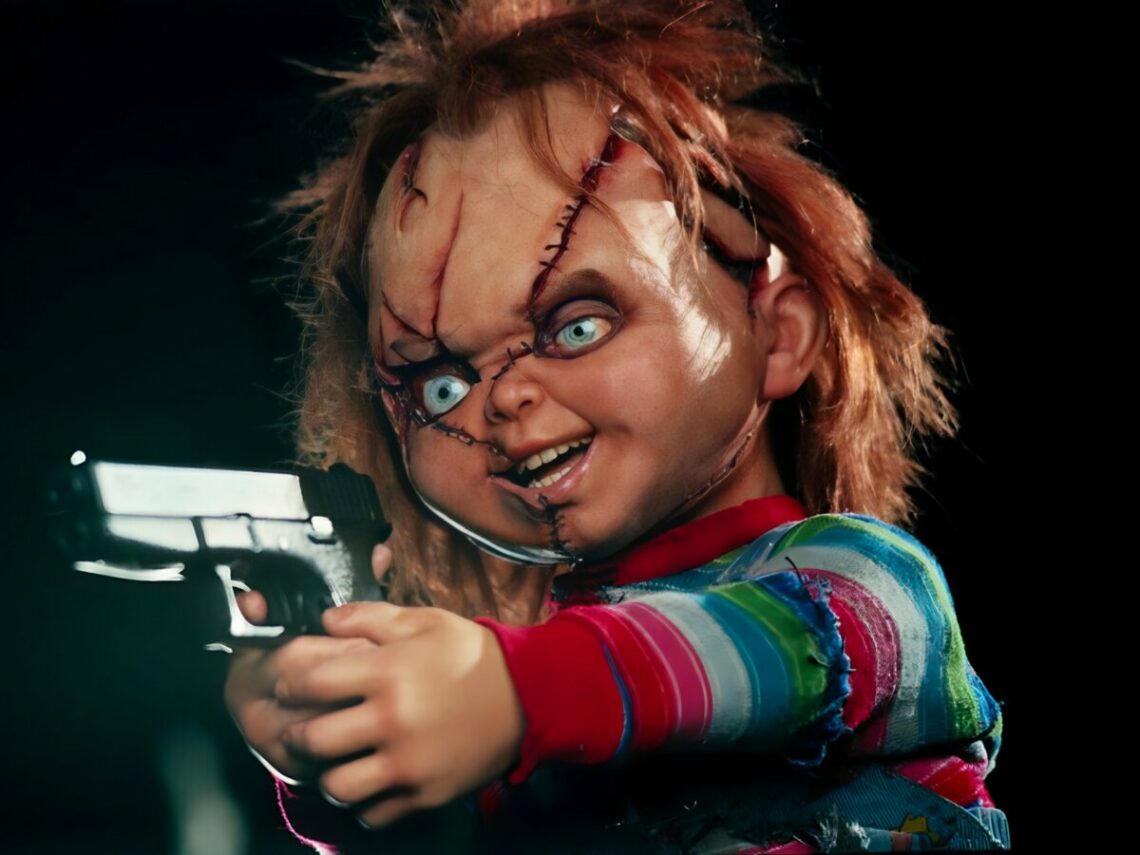
The haunted doll that inspired Chucky in ‘Child’s Play’

The killer doll trope never fails to unsettle audiences due to the fact that toys are typically associated with innocence and childhood. Yet, in the hands of horror directors, these sweet-looking dolls turn sinister and creepy, possessing as much bloodlust as human characters or supernatural monsters.
First appearing in 1936’s The Devil-Doll, the killer figurine phenomenon has been featured in many movies and television shows since. In the 1960s, ‘Talky Tina’ terrified adults and children alike when she appeared in The Twilight Zone, threatening the characters with her voicebox. The episode descends into chaos when the doll stops staying, “I love you very much”, and begins spurting lines like “My name is Talky Tina… and you’d better be nice to me!”
While chatty, murderous dolls appeared on our screens for decades before the release of Child’s Play, the film spawned a massive franchise and arguably popularised the killer doll trope. The movie introduced audiences to the dungarees-clad, ginger-haired Chucky, possessed by the spirit of a recently deceased serial killer.
Slightly camp but certainly scary, Chucky embarks on a killing and torturing spree, which could put human villains like Michael Myers to shame. Child’s Play, which hit screens in 1988, is now considered a cult classic and one of the most popular slashers of all time. Child’s Play 2 and 3 came shortly after, before Chucky was given a lover, Tiffany Valentine, for the movie Bride of Chucky and its subsequent sequels.
However, many people might not realise that Chucky was inspired by a real doll named Robert, who is currently housed at the East Martello Museum in Florida. Once owned by an artist named Robert Eugene Otto, the doll is steeped in folklore and is reportedly responsible for causing car crashes, misfortune and other accidents. He is said to harness supernatural powers, with the ability to talk and move items.
Due to the fascinating story of Robert the haunted doll, it’s unsurprising that he became a source of inspiration for a film about a similarly possessed doll. Luckily, Robert hasn’t been caught walking about with a knife in hand just yet, but he has continued to attract thousands of visitors every year who must be careful to “respect” him or risk earning bad luck.
While the belief in haunted dolls is questionable, the legend of Robert the doll only makes Child’s Play more exciting to watch. Evidently, audiences love the killer toy trope, with Child’s Play remaining one of the most popular horror franchises of all time.
