


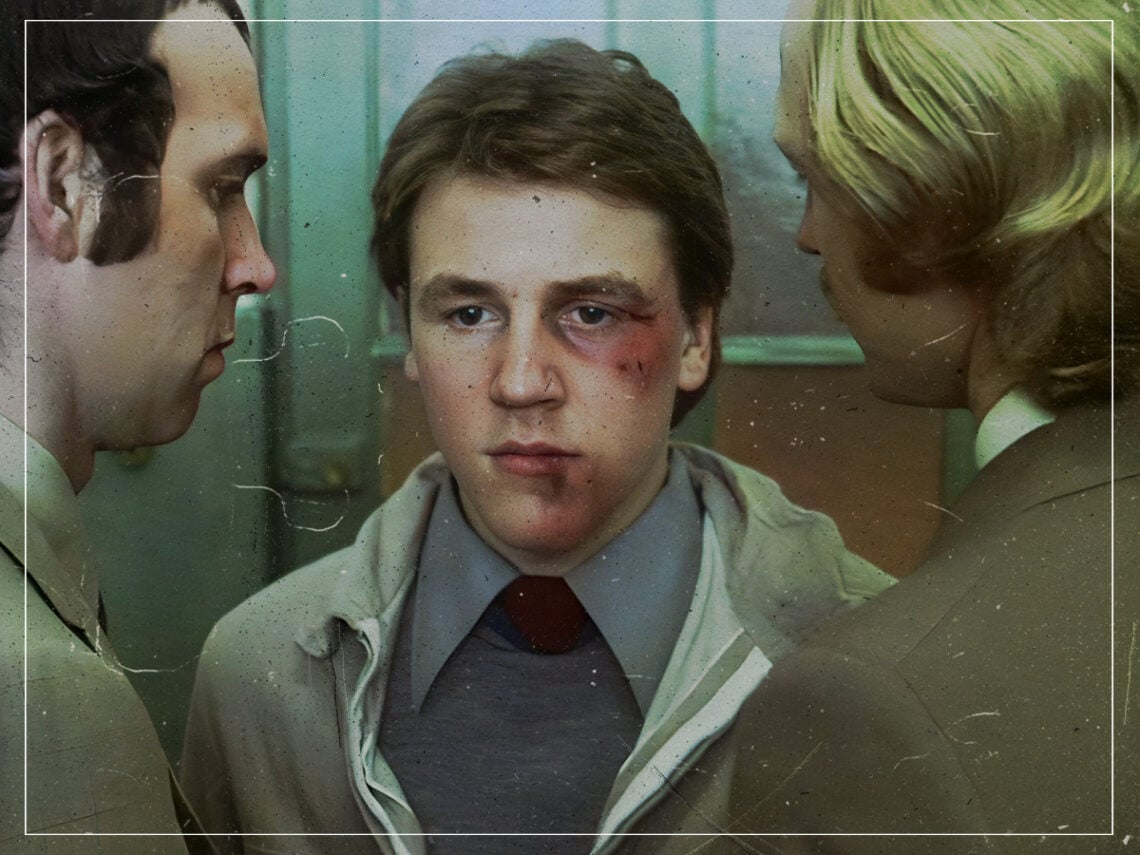
‘Scum’: The Ray Winstone movie that was banned on the BBC

Since British households started owning televisions, countless controversies have surrounded certain broadcasts. Whether this is due to offensive content or disturbing imagery, the public hasn’t been afraid to complain when scenes that they deem inappropriate have appeared on their television screens.
However, television channels are expected to adhere to a certain set of rules to minimise complaints and protect the public from seeing potentially damaging or misleading information. Censorship has been a prominent feature of British television since its inception, with some of the regulations put in place, such as a 9pm watershed and the bleeping of swear words before this time.
These days, television is much more relaxed than it used to be, and if you’re sat in front of the box past 9pm, you can expect anything from explicit nudity and sex to intense, graphic violence. However, the BBC, the biggest broadcaster in the country, has famously censored many shows in the past.
In 1977, a television play that gave Ray Winstone one of his first acting gigs, Scum, was banned from being aired by the BBC. Made as part of the Play for Today series, the play was never actually released on television for another 14 years. Directed by Alan Clarke, the play sees a boy named Carlin enter the British borstal system and discover a world of pure violence and depravity.
Before these institutions were transformed with better conditions and resources for inmates, they were known for being notoriously grim, as depicted in Scum. The television play was deemed fit for banning by the BBC’s Alasdair Milne, who thought it too shocking, violent and offensive to be screened.
Winstone didn’t have to worry too much, though; Clarke remade the story into a proper film two years later, which was praised by critics and remains a defining work of British cinema. Still, it took five years for the cinematic version of Scum to be played on television.
This version was even more intense than the television play, with Clarke attempting to communicate the true horrors of a corrupt institution where violence is so normalised and widespread. After censorship eased, the television play was finally aired in 1991.
Scum helped to establish Winstone as one of Britain’s finest young actors, although he has previously admitted that he starred in the production “for a bit of a laugh”.
He explained to The Yorkshire Post, “It’s funny, ‘cos I had no idea what I was doing on Scum, thank God I had Alan Clarke with me. I was just a kid who’d been to drama school but, in truth, who had no real interest in being an actor.”
Winstone added, “I just thought ‘I never done anything like this before. I might as well do it.’”
Since then, he has appeared in countless classics, from Quadrophenia to The Departed. Scum, a ruthless and emotionally poignant drama that is burnt into the brain of everyone who has watched it, remains an indication of what was in store for the future acting legend.
