


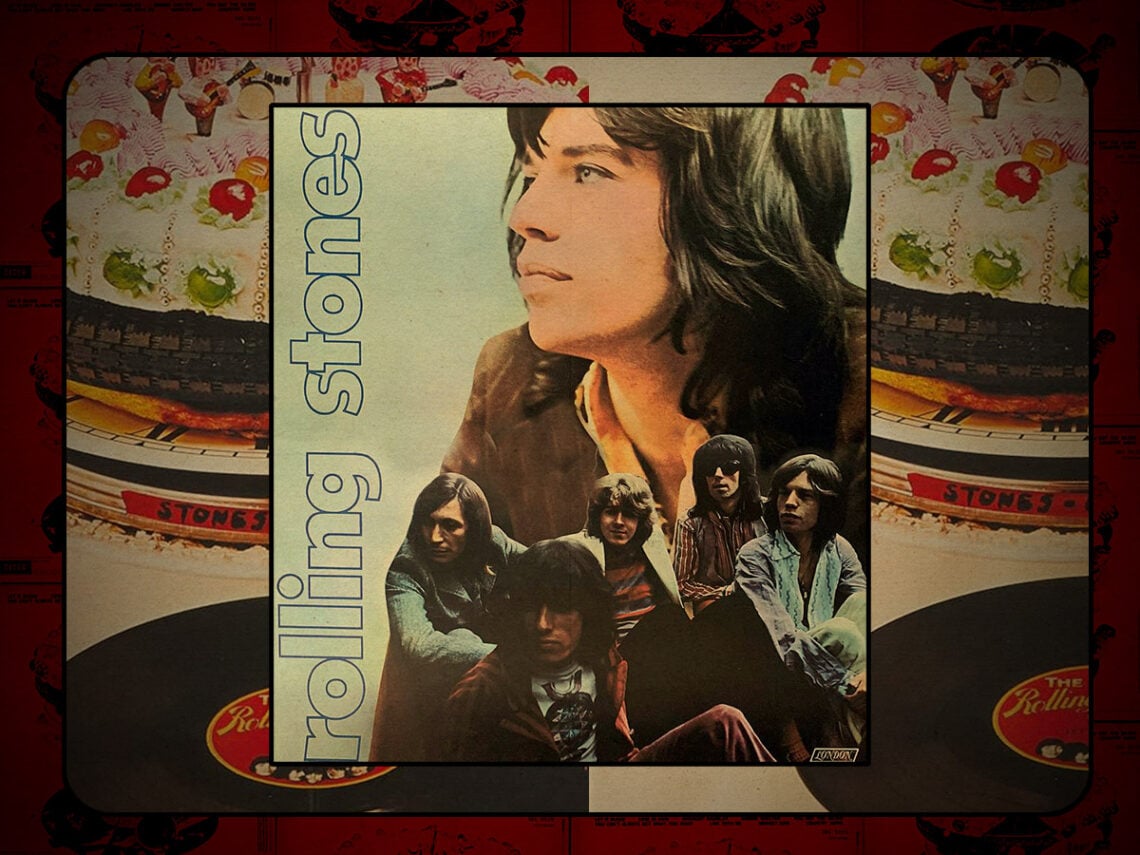
Ranking every song on The Rolling Stones’ classic album ‘Let It Bleed’

With 24 studio albums to their name, it’s probably not surprising that fans of The Rolling Stones all have different points of view when it comes to choosing their favourite record by the British rock icons.
Granted, not all of them are going to get a look-in for the top spot, with their output having become frustratingly stale at various points during the 1980s and ‘90s, but for every stinker the band produced, there’s a staggeringly good release to make up for it, and during the late ‘60s and early ‘70s, the band found themselves entering what would be considered their most fruitful period for years to come.
While some may look towards Beggars Banquet as being their best moment, given that it kick-started this era of artistic evolution and excellence, others may argue that Sticky Fingers and Exile on Main St stand taller as examples of the band at their peak. For my money, however, nothing quite manages to eclipse the brilliance of Let It Bleed, with it arguably boasting not just a number of their strongest songs, but managing to merge their raw, blues-inspired approach to rock with intelligent production flourishes.
There are peaks and troughs on Let It Bleed, much like any other album. However, those low points are still considerably higher than most acts can dream of achieving when performing at the very top of their game. In spite of a handful of minor grievances over creative choices or track ordering, there’s not much standing in the way of me personally declaring it to be a ‘perfect’ record.
However, if push were to come to shove – and that would have to be a mighty big shove – below is how each song from this perennially captivating record stacks up when pitted against each other in a battle to be crowned the best song from what is arguably the definitive Stones album.
Ranking the nine songs from The Rolling Stones’ ‘Let It Bleed’:
‘Country Honk’
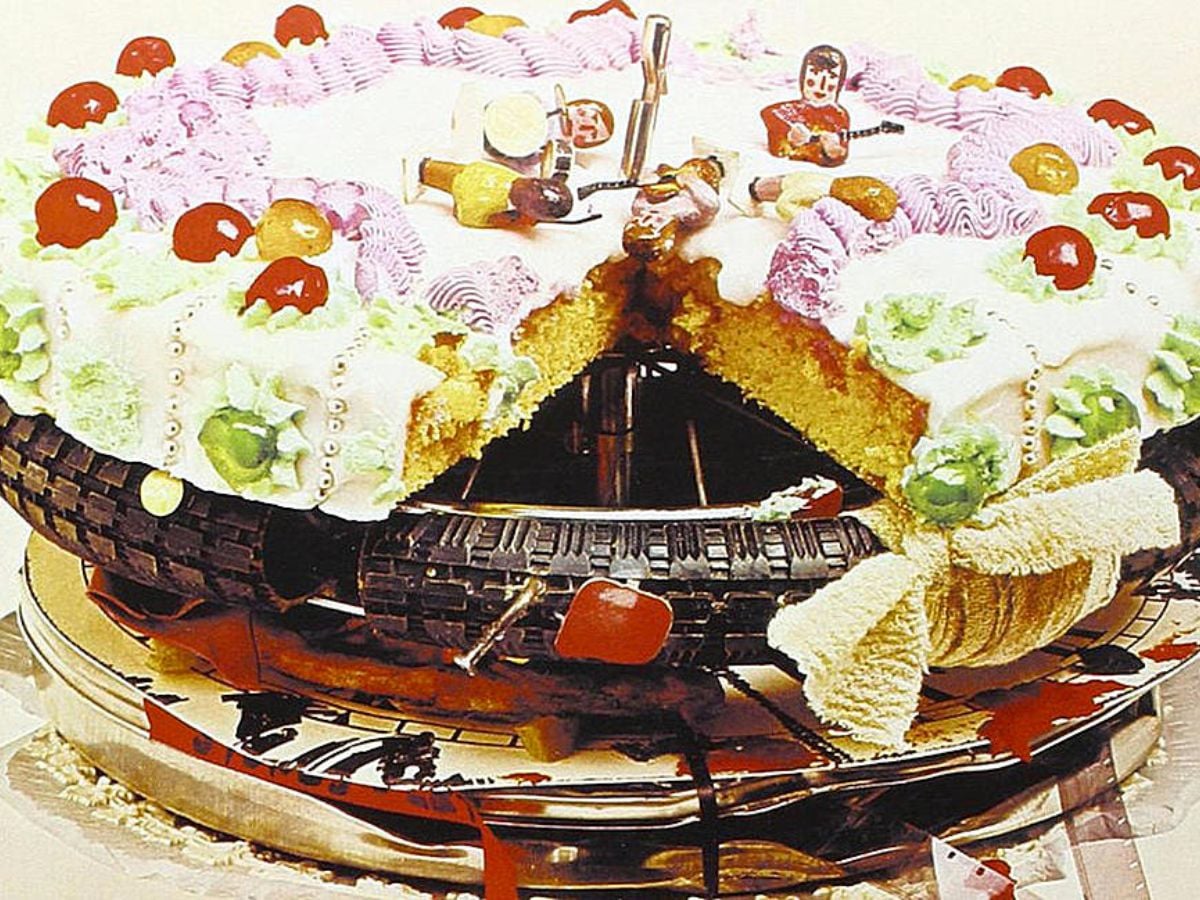
Given the success of ‘Honky Tonk Women’ as a standalone single earlier in 1969, it may have been a sensible idea to include it as part of the tracklist for the album the band were working on at the time, bolstering the already stacked running order of Let It Bleed. Instead, the band chose to fill the space that it would have otherwise occupied with a country interpretation of the song, which while serviceable, doesn’t hold a candle to the original.
According to Keith Richards, this version of the track is actually closer to how the song was originally written, and the beefed-up rocker that the general public know and love came as a result of constant tinkering with the composition. While the fiddles and slide guitar of Mick Taylor add charm to ‘Country Honk’, there’s no saving it from landing the spot as the weakest moment on this classic album, purely by virtue of the fact that there’s a better version of the song out there.
‘You Got The Silver’

Keith Richards never got enough opportunity to showcase his talents as a lead vocalist in The Rolling Stones, only lending his pipes to a small handful of tracks throughout the band’s vast catalogue. That being said, ‘You Got The Silver’ is perhaps his finest turn behind the microphone, and while it doesn’t stand up to Mick Jagger at his undeniable peak, it’s a fine way to provide a slight change of pace on the record.
A slower blues-driven cut, the seventh track on the album sees Richards put on his best Bob Dylan impression, and with a glorious turn on guitar coming from him as well, it almost serves as more of a Richards solo effort than as a Stones track, even if it does work well within the context of an album that feels more focused on showcasing the strengths of the band as a unit. That being said, when the full band comes in at points, the song is elevated to an even higher level.
‘Love In Vain’
Let’s be fair, none of these rankings are necessarily calling the songs underwhelming or below par, but sometimes the context can reduce the positioning of a track in the grand scheme of things. In the case of ‘Love In Vain’, a song where the band demonstrate their ability to create a bluesy ballad with superb production flourishes thanks to the addition of slide guitars and mandolins, the only thing that lets it down is its appearance as the second track after ‘Gimme Shelter’.
After such a bold opening song, the best move would have been to keep the energy going for one more song before slipping into more subdued territory, but instead, we’re brought down to this slower pace a fraction too soon, quashing the momentum that the song before it had tried to set up. Again, this isn’t a terrible song by any means, but if it was placed deeper into side one, it may have felt more fitting for its slight deceleration of the pace.
‘Midnight Rambler’

Of course, the band had to make room for a stomper of a track on a record like Let It Bleed. ‘Midnight Rambler’ isn’t big or clever, and has far fewer of the intricate production flourishes on it compared to the rest of the album, but that isn’t a problem, because all it’s trying to do is capture the feel of the band jamming over a simple blues riff in the studio.
Beginning with a stumbling rhythm, the song picks up and becomes locked in a proto-punk groove shortly after the two-minute mark, and while it isn’t the finest representation of how far the band’s songwriting had come on the album, it’s certainly a brilliant encapsulation of how spontaneity could drive the band in some fascinating directions creatively. As it cycles through the many different moods, from raucous to subdued and back again, you’re taken on a journey through virtually all that the band excel at when they just jam together.
‘Live With Me’
If there’s one song on Let It Bleed that could reasonably claim to be the most underrated track on the album, then ‘Live With Me’ is perhaps one that gets unfairly overlooked in spite of its brilliance. On the surface of things, it might not seem like a standout, but the suave bass playing of Bill Wyman and the unrelenting snare of Charlie Watts drive the song forward until Jagger’s vocals come in, and they’re perhaps at their most unrestrained on this song over all others on the album.
Again, managing to fuse together punk and blues into a raucous melange that was arguably ahead of its time, it’s a song that wouldn’t seem out of place on Captain Beefheart’s Safe As Milk for how it brazenly combines these two styles in such a confrontational manner. The appearance of the saxophone is just another jewel in this song, marking the beginning of a longstanding and rewarding relationship with frequent collaborator Bobby Keys. A superb track, and one that deserves more love.
‘Let It Bleed’

Having a song that shares its title with the album it appears on can be both a blessing and a curse. On one hand, it can perfectly capture everything the album sets out to achieve by echoing the same name adorned on the sleeve, but it can also hold the power to let down an entire record, given how its name is so strongly associated with a wider release. The Rolling Stones had never taken this risk on a record before, but fortunately, ‘Let It Bleed’ does everything in its power to maintain its namesake LP’s reputation, and closes proceedings on the first half of the record in style.
Both existing as an example of the band’s songwriting development and their broader focus on incorporating new sonic elements, ‘Let It Bleed’ is the sound of the band managing to combine all of their strongest assets together, and they’re clearly having a blast doing it in the process. After the slight misfire of choosing to rework ‘Honky Tonk Women’ into a country style, the title track redeems the band’s credentials for writing and performing in this manner.
‘Monkey Man’

They might not be everyone’s first choice for the job, but the opening 30 seconds of ‘Monkey Man’ ought to exist as proof that The Rolling Stones could easily have written a Bond theme. With its mysterious piano, vibraphone and bass combining to create one of the finest intros on Let It Bleed, the song then suddenly lets rip into one of the heaviest moments on the record.
It may not be as well-known as the two songs that are yet to be ranked, but despite it not being a single, ‘Monkey Man’ certainly has everything you could want from a showstopper, and could easily have become more than just a deep cut thanks to its undeniable swagger and rock boisterousness. As the album draws nearer to its close, this is one final reminder of what the band sound like when dialling everything up to the max, and each member’s contribution to the song is frankly impeccable.
‘You Can’t Always Get What You Want’
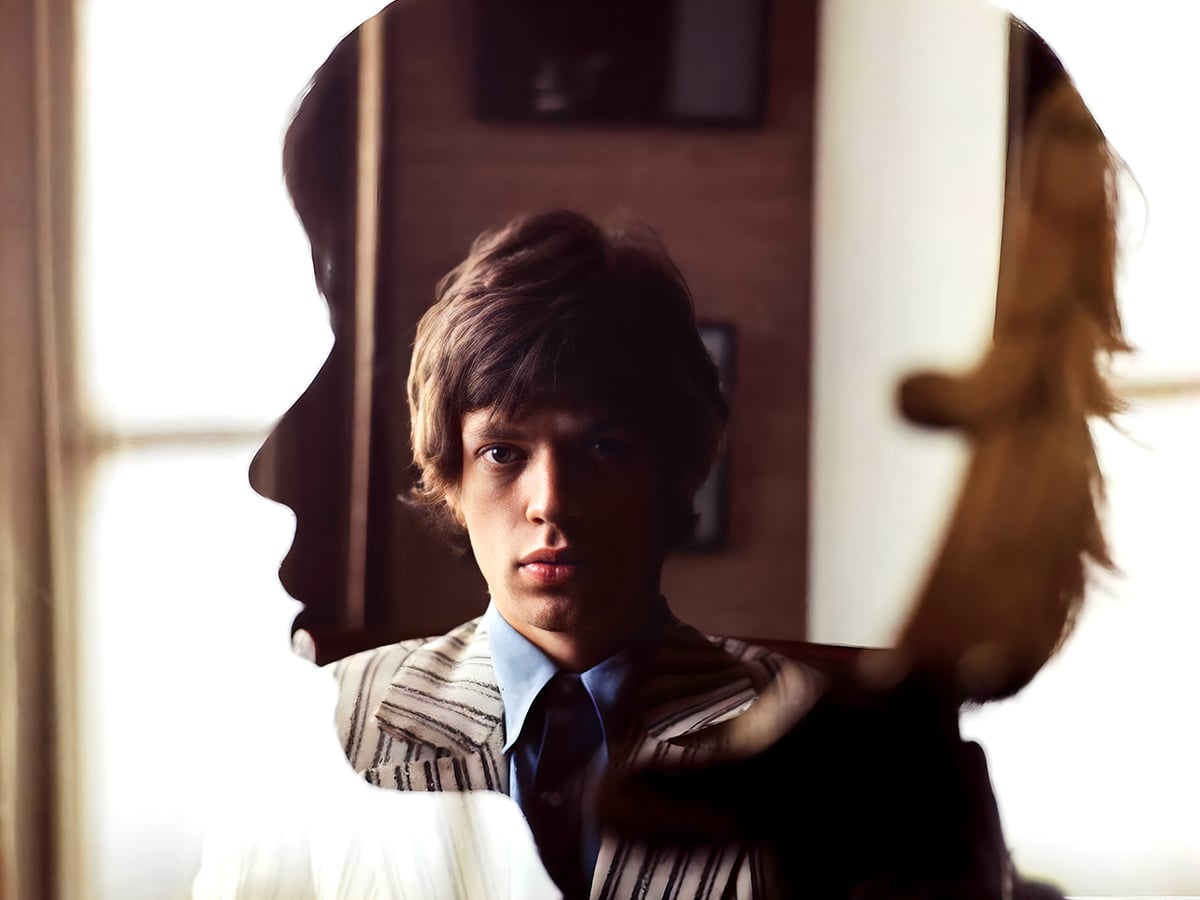
If we’re being realistic, every classic album ought to be bookended by its two strongest moments, beginning with a statement of intent and returning to finish on a high mark. In the case of ‘You Can’t Always Get What You Want’, a song that evolves gradually over the course of its seven-minute runtime, Let It Bleed comes to its sublime climax with not just one of the finest songs on the record, but one of the greatest songs they ever produced.
Starting off with an angelic chorus of voices, the song builds its way up through an early section of acoustic folk balladry before morphing into an emphatic blend of soul and rock that provides a rollercoaster of sounds fitting of an album of this calibre. If there’s one thing that The Rolling Stones are often criticised for when compared to their contemporaries, it’s the fact that their compositions could often be perceived as rudimentary and basic, but ‘You Can’t Always Get What You Want’ is anything but simple; it’s the band at their most adventurous, and relishing every moment of it.
‘Gimme Shelter’

Trying to choose between these two bona fide classics as the finest song on Let It Bleed is a tough task, but given how it cemented the idea that The Rolling Stones were perhaps the best rock band on the planet at the time, ‘Gimme Shelter’ pips its closest competitor to the number one spot, and for good reason. It’s apparent from the opening seconds of the track that the band have returned from an already well-received record in Beggars Banquet with even more gas in the tank, and the venom that they manage to exude over the course of the song is what undeniably makes this everything an opener should be.
There’s an attitude and swagger to the song which is bolstered by the interplay between Jagger’s snarling vocals and the belted gospel backing singers, and not only that, but we’re treated to Richards at his subtle best. As previously suggested, an album needs to begin with a statement of intent, and if ‘Gimme Shelter’ doesn’t succinctly outline everything that Let It Bleed has to offer to you before it’s over, then perhaps this isn’t the Stones album for you. It’s an entrancing way to kick off their finest record, and as a consequence, exists as the pinnacle of the band’s golden period.
