


Ranking every song on Bruce Springsteen’s ‘Nebraska’ from worst to best

It’s not long until the new Bruce Springsteen biopic, Deliver Me From Nowhere is released. And at the heart of that biopic lies the Springsteen masterpiece: Nebraska.
When you’ve had a career as long and prosperous as Springsteen’s, what is it about this album specifically which warrants it being the centrepiece of a movie? It’s a good question, as there are plenty of great albums Springsteen has put his name to that have great stories attached, but there is something about Nebraska which stands out, as it saw Springsteen at his most vulnerable.
We know who we’re talking about when we talk about The Boss. We’re talking about the man who takes to rock ‘n’ roll as easily as he breathes. We’re talking about the man who injects nostalgia and hope into everything he does. We’re talking about the greatest live performer on the planet. Nebraska doesn’t represent any of these parts of Springsteen. Instead, it sees the rockstar move away from big band rock and instead make something stripped-back and raw.
The lyrics that make up these acoustic songs explore themes which expose the worst of humanity. Springsteen reveals sides of himself which other artists wouldn’t dare reveal, but he portrays it in a way that champions artistic merit and a strange sense of beauty. Here are all the songs on such a unique album ranked from the worst to best.
Nebraska songs ranked from worst to best:
‘Nebraska’
Yes, we’re starting off with the title track. It’s worth noting that there’s not really a problem with this song as far as general execution is concerned, but given this is an album which champions storytelling, the jumps in narrative you hear throughout ‘Nebraska’ make it one of the lesser tracks on the record.
Within two lines, ten people are dead. I know some people like it when you get to the heart of a story quickly, but there has to be some kind of backstory, doesn’t there? Granted, this might work as a quick story to consume, but with something as harrowing as the crimes discussed in ‘Nebraska’, you would expect something a little bit more from Springsteen.
‘My Father’s House’
You could easily call this one of the most powerful tracks on the album. Springsteen uses it to open up about the rocky relationship he had with his dad – and it’s hands down one of the most personal moments on the whole record. You really hear him at his rawest. It feels like a proper privilege to listen in… and yet, somehow, it still ends up near the bottom of this list. How’s that happened?
Sure, it’s a vulnerable one from Springsteen – a proper beauty, and there’s plenty for listeners to sink their teeth into. But stacked up against the rest of Nebraska, it does fall a little flat. There’s something about it that just doesn’t hit quite as hard. It’s still a solid tune, no doubt, but compared to the heavyweights on the album, it doesn’t cut quite as deep.
‘Used Cars’
Maybe there is something about songs which are based on truth that made Springsteen a bit more hesitant to fully lean into them on this album. ‘Used Cars’, which is also about his father, isn’t a bad song, but once again, it’s just not as good as some of its counterparts. The track’s good, and the use of car horns really add to it, but given how many songs Springsteen has about cars, and the deeper levels he goes to on Nebraska, this one just isn’t as much of a standout.
“When I was growing up, he had every kind of used car possible,” Springsteen said when introducing the song at a gig and diving into the backstory. “He had the used car without the heat, he had the used car without the muffler, he had the used car with the bad brakes, he had the used car that doesn’t go in reverse. Then of course, let’s not forget the used car that just won’t start.”
‘Open All Night’

Let’s be fair, while we’re ranking these numbers from worst to best, there isn’t really a bad song on Nebraska, just some which are better than others. This track uses an interesting guitar pattern, one that takes the style of Chuck Berry and contorts it to fit this slowed down style. Simply put, it’s the closest Springsteen comes on this incredibly raw album to producing anything that resembles “rock ‘n’ roll.”
As previously mentioned, it’s a good track, and some might argue the use of a rock pattern with an electric guitar is a good break on what is a pretty heaven record; however, this writer believes it is separate enough that it just falls slightly out of the remit of the record. It’s not a bad song, but compared to the other offerings on Nebraska, it doesn’t quite hit the brief as well as it could.
‘Johnny 99’
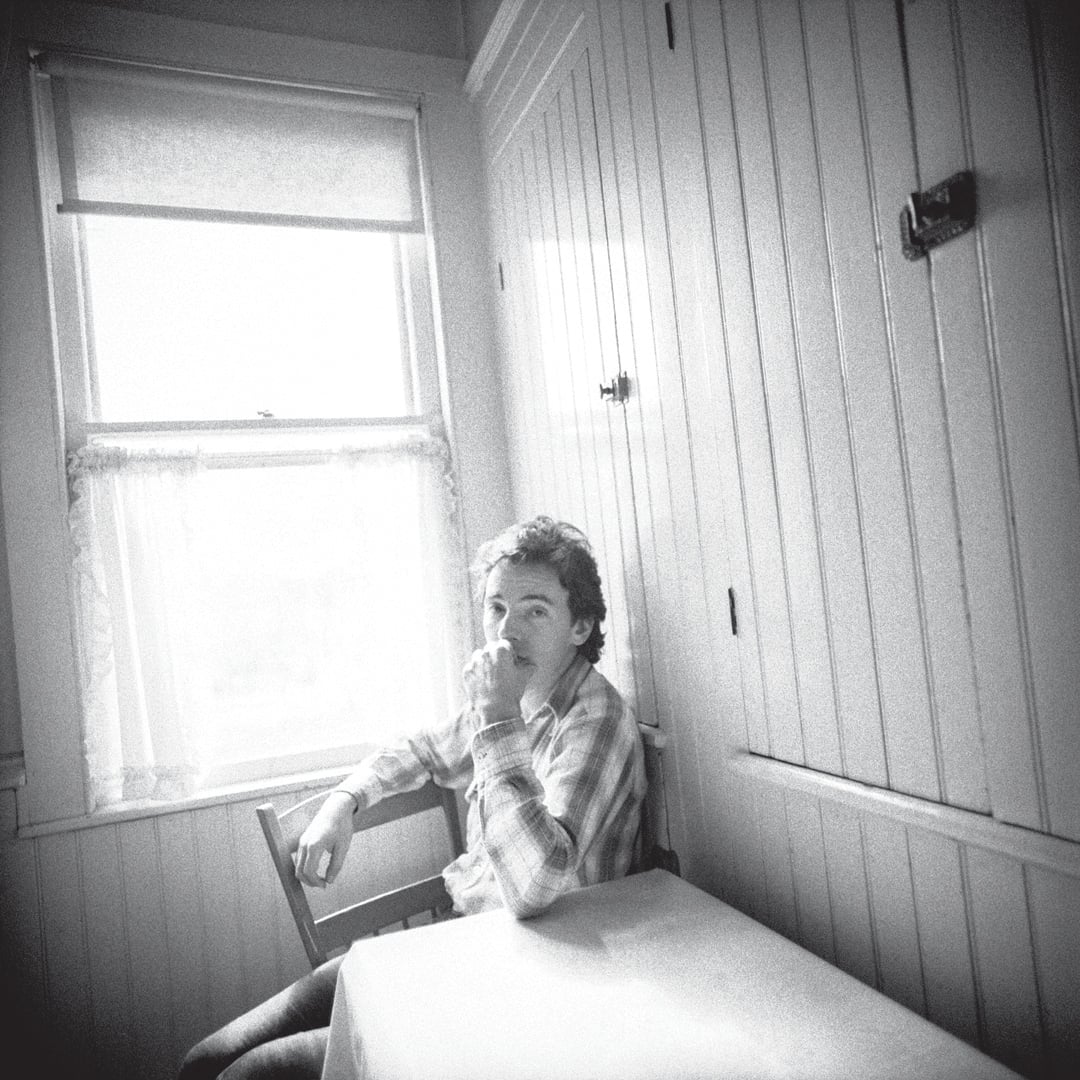
‘Johnny 99’ is a great song to reference when you highlight the beauty of Bruce Springsteen’s songwriting. How you can put a listener in the mind of someone who has done something inherently wrong, who is inherently guilty, and yet still make said listener feel sorry for them, is truly mesmerising.
The titular “Johnny” loses his job and subsequently his mortgage, which pushes him over the edge, so he grabs a gun and kills a night clerk. He is found guilty of murder, and nobody is arguing with that, the real surprise comes when the track ends and you find yourself feeling sorry for Johnny. It’s an incredibly enduring track, and one that really highlights why Nebraska is considered such a Springsteen classic.
‘Highway Patrolman’

The majority of stories that we hear on Nebraska are told from the mind of criminals, which is why ‘Highway Patrolman’ stands out, given it’s a tale told from the point of view of the law. It battles with the contrast between doing what is objectively and subjectively right, as a police officer struggles with the idea of letting his brother run free after killing someone.
Nebraska is an album which is constantly celebrated for its cinematic appeal. The raw nature of a lot of the songs, paired with the fact that Springsteen writes from such a narrative-driven place, all make for incredibly cinematic listens. This might be one of the best songs on the album as far as cinematic appeal is concerned, which is further evidenced by the fact Sean Penn made a full-length film about it.
‘Mansion on the Hill’
Of course, the idea that all criminals in the world are aggressive low-level crooks is nonsense, and Springsteen was evidently aware of this when he wrote ‘Mansion on the Hill’. This gives a brand new approach towards how the working class view the upper class, painting some of those upper-class people as criminals while draping them in mystery.
Sometimes, it’s what you don’t say that really tells a story, and Springsteen’s reluctance to take the listener inside the mansion which stands at the centre of the song says more than any kind of description of the interior would. Instead, it remains this unattainable asset, one that stands over the town and that other citizens pine for but none are able to achieve.
‘State Trooper’
If you ask the average Springsteen listener what they remember about the song ‘State Trooper’ they will likely divert your attention to the song’s end. Springsteen lets out a range of woops and yells over a stripped back instrumental, which acts as a frustrated release. This is a very interesting part of the song, but it’s not the only stand out moment on the track.
The shuffling guitar line that runs throughout this song is haunting. On an album that is so dominated by narrative, it’s easy to forget how good a musician Springsteen is, and this line brings you right back into admiring The Boss’s handiwork. Even on an album as stripped-back and raw as this, Springsteen keeps his rock ‘n’ roll roots very close to his heart.
‘Reason to Believe’
What sort of a person would I be if I didn’t place the only optimistic song on the record right near the top? Granted, it might open on the image of a dead dog on the side of a highway, but for the rest of the track, glimmers of hope and the idea that things can get better shine through.
This is very in keeping with Springsteen. Yes, his music has often picked holes in the US government and problems with society, but he has also dedicated a lot of time towards celebrating aspects of life that he rejoices in. Even on one of his bleakest albums, Springsteen couldn’t help but give the listener a little hint of joy, even if it manifests in a song surrounded by darkness.
‘Atlantic City’
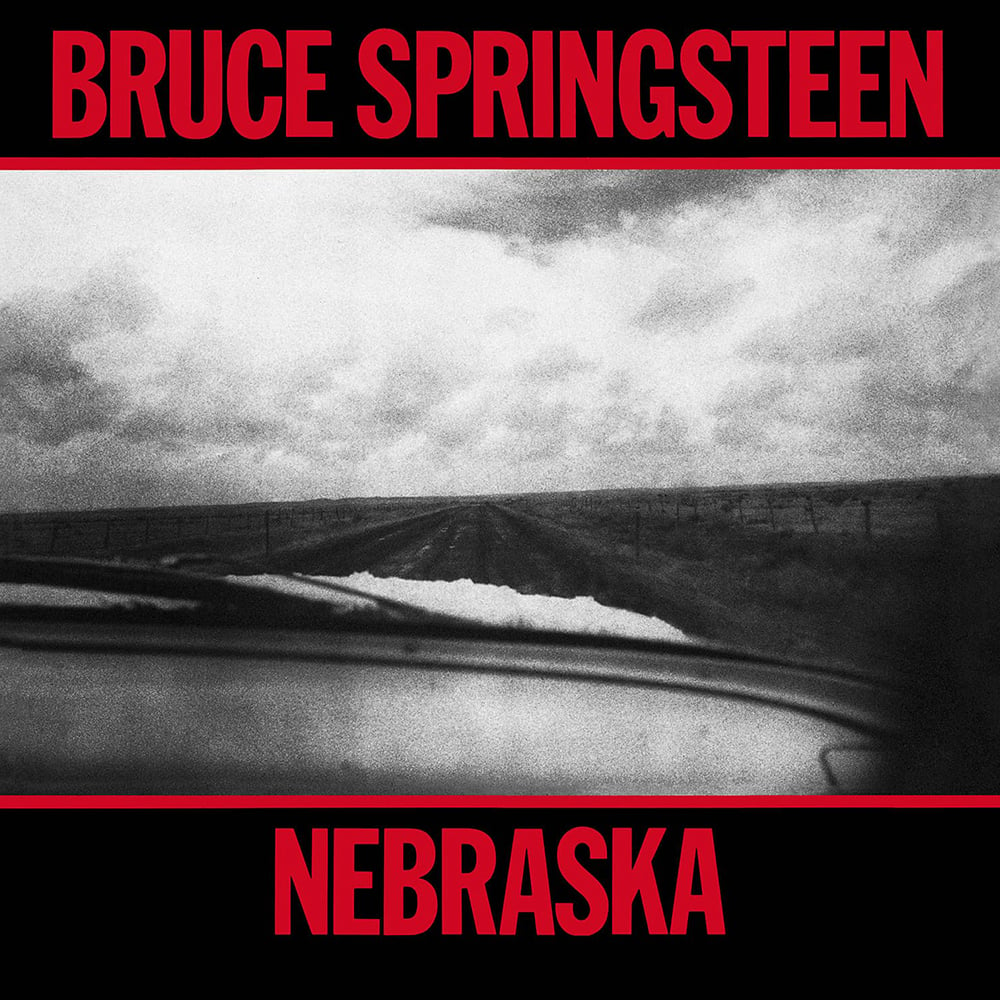
When you’ve heard this song live as many times as I have, it’s hard to pick anything else as the best song on Nebraska. The amount of times I’ve sung this bleak number at the top of my lungs, beer in hand, surrounded by fellow fans means despite the original theme, it’s a song that persistently highlights the wonderment of Springsteen and how we can rejoice in his ornate ability to put both happiness and sadness to amazing music.
The actual song itself also perfectly highlights just how good Bruce Springsteen’s storytelling ability on this album is. We hear the tale of a man who, in a last-ditch effort to pay off debts, opts to go to Atlantic City to do some favours for the Mafia. The song is such a standout that when the E Street Band heard it, they knew they had to work out an electric version that they could take on the road. Talk about a standout song.
