


Ranking every Ozzy Osbourne solo album

“Out of everything I’ve lost,” Ozzy Osbourne once joked, “I think I miss my mind the most.” Thankfully, the Brummie singer had a keen mastery of brinkmanship. He would push things as far as they could bend in a thrilling display that was always daring, dazzling, and sometimes, downright dangerous. Along the way, he left a legacy that rock ‘n’ roll will be reeling from forevermore.
The Prince of Darkness growled his way towards establishing heavy metal with Black Sabbath. In the wake of his beloved Beatles, the world was crying out for something new. Ozzy was the perfect answer to that cry. His startling demeanour and mysticism offered the perfect come-hither for those seeking a darker enlightenment.
However, when you almost poison your own drummer via his penis in a prank gone awry, things are destined to burn out at some point. So, in 1980, after a long decade of drugs, disaster and masterful darkness, Ozzy Osbourne released his debut solo album with Blizzard of Ozz. While fans were unsure what to expect from the frontman, it proved to be a triumph that launched a solo career that only furthered his appeal as a manic magician of showmanship.
As it happens, going solo failed to bring any greater degree of stability to his art as tragedy, tribulations, and tiffs led to a revolving door of bandmates. However, as the introductory quote to this piece implied, Ozzy always found a wayward way back to something that somewhat resembled the straight and narrow.
So, across over 40 years, the Prince of Darkness offered up 12 solo studio albums of original material. And in honour of the great man, we’ve ranked them in order below.
Ranking every Ozzy Osbourne solo album from worst to best:
‘The Ultimate Sin (1986)

Ozzy Osbourne once described The Ultimate Sin as his worst solo album, and we’re not prepared to argue with that. The frontman claimed that Ron Nevison, his producer, let the record down. “[He] didn’t really do a great production job,” Osbourne explained to Kerrang. “The songs weren’t bad; they were just put down weird. Everything felt and sounded the fucking same. There was no imagination. If there was ever an album I’d like to remix and do better, it would be The Ultimate Sin.”
Indeed, there is a definitive lack of arc to the album. While he has certainly offered worse collections of tracks than those sported on The Ultimate Sin, usually, there’s a greater sense of drama. The way that they wash over you in a blur of similitude on Sin sadly reduces Ozzy’s output to the lowest common denominator of a strong riff and a desire to shock. Both of those facets are quickly eroded by the law of diminishing returns when the same formula is utilised again and again.
‘Scream’ (2010)

Scream might not have topped the charts, but it did break one record. At the Dodgers Stadium in 2010, Ozzy asked the thousands in attendance to shout the album title as loud as they could in a bid to break the decibel record for the longest and loudest crowd scream. That whole incident pretty much defines the album.
Scream is a fun spectacle. In some ways, it stands out from the crowd. And it is certainly full of adrenaline. But it also has an aura of being more about cheap thrills than anything else. Sure, it beat the Finnish Boy Scouts’ screaming record, but it doesn’t offer up a great deal more depth than that. There’s just a touch of Ozzy-by-numbers about this Kevin Churko collaboration.
‘Black Rain’ (2007)

Ozzy, at his best, ensnares you into a state of enchantment with a potent riff, a sense of mysticism, and dazzling performance. Black Rain punches on those three fronts so infrequently that something always feels missing, and as such, the skip button looms large. While Zakk Wylde might help to deliver a gripping opener in the form of ‘Not Going Away’, sadly, it does go away thereafter.
As he became more and more of a household name during the early 2000s thanks to his reality TV show exploits, his image also became somewhat sanitised. That’s where Black Rain finds the frenetic singer. It is a harmless representation of what he is about. However, there are moments when that teeters towards a mainstream parody of his true power, and it lacks the riffs to make it stick.
‘Ordinary Man’ (2020)
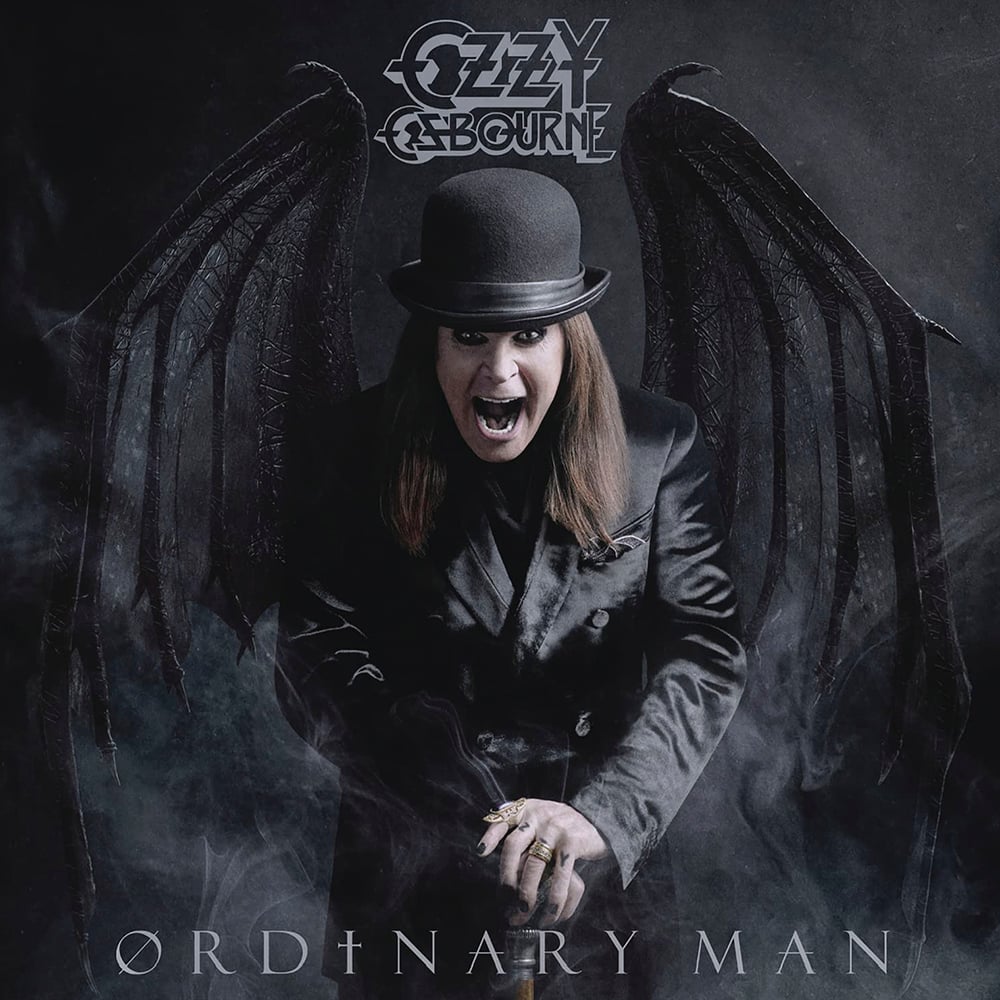
Ozzy Osbourne has never been any stranger to collaboration. The lack of ego implied by his will to work with others is one of the main reasons that he is hailed as a hero. Despite the fact that he was decidedly extraordinary, the fact that the wildest man in rock also proclaimed that he was a normal man, not quite ready for fame, typified his legacy.
However, while there are some great songs on Ordinary Man – the title track is a defining anthem, featuring some of his greatest lyrics and delivering a mantra that he lived by – there is also a little too much collaboration. With the likes of Elton John, Post Malone and Travis Scott all in the mix, a dreaded touch of novelty enters proceedings, and Ozzy himself proves less potent – that’s the last thing you want from an Ozzy album.
‘Down to Earth’ (2001)
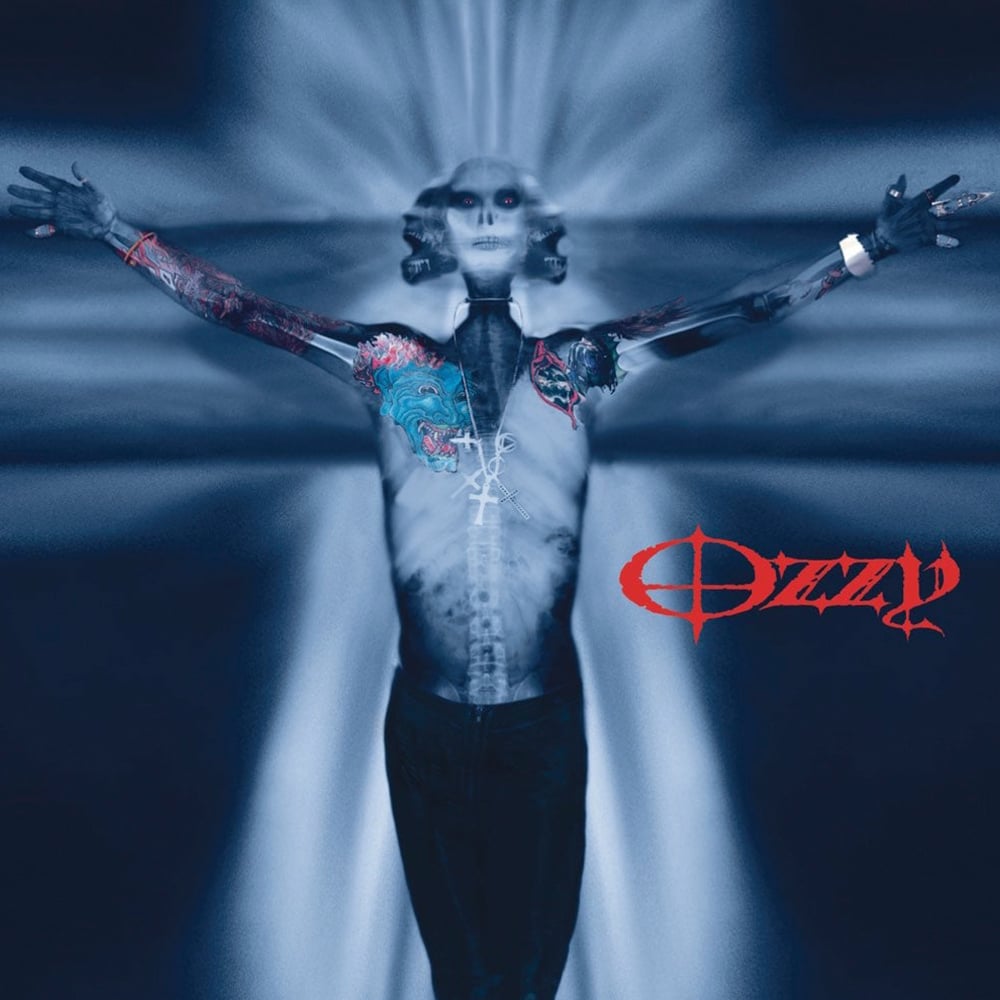
His eighth studio album from 2001, Down to Earth, arrived at a time when Ozzfest was gearing up to become a never-ending affair. However, in order to keep it fresh, Ozzy needed some new material. Down to Earth is both the victim and the benefactor of that thinking. It is full of spectacle and pomp. The need to get it out quickly adds a punchiness and lean sensibility. But it’s also a touch rushed and devoid of the feel of a classic.
Tim Palmer, operating as producer, seemed to have an intimate understanding of Ozzy’s oeuvre. Ozzy himself likened the experience to working with Randy Rhoads. So, despite coming about at a time when the former Black Sabbath man was reluctant to get back in the studio, there is a joyously naturalistic feel to the record. It might lack massive tracks, but it makes up for it with plenty of enjoyable spirit.
‘No Rest for the Wicked’ (1988)

Ozzy returned to a heavier tone with No Rest for the Wicked with the introduction of Zakk Wylde promising hard-hitting riffs. Over the years, these have endured, and the record still offers an intoxicating blur of brutal rocking experimentalism. The only thing that prevents it from being higher on the list is that although tracks like ‘Miracle Man’, ‘Hero’ and ‘Bloodbath in Paradise’ are borderline classics, a few others prove to be rather more forgettable.
The album proved to be pivotal in sustaining Ozzy’s fame and introducing him to a new generation of fans. However, for longtime listeners, the persistent squeal in the guitar production felt a touch gimmicky when delivered on some of the lesser songs. So, in truth, this creditable record is dependent on how much of a personal connection you developed with it.
‘Patient Number 9’ (2022)

Despite the moment that was Ordinary Man, it’s hard to say Patient Number 9 wasn’t far more culturally impactful, and that’s not just because it won a Grammy for Best Rock Album. His final solo album, 9 dropped with the fervour of a man forever committed to the art of music, always brimming with the kind of energy that made his name.
There’s also an unhinged prophetic energy throughout, the kind only Osbourne could pull off with such tenacity, like on ‘Immortal’ when he shouts loud for all to hear: “People will come and go / Some stories never told / Bury me down below / But I’ll never die / ‘Cause I’m immortal!” Immortal, indeed.
‘Ozzmosis’ (1995)

A surprise for everyone who thought Osbourne meant it when he said he’d retired in 1991, Ozzmosis might have been expected by some to rebirth the quintessential flavours of records like No More Tears, but instead took on a more culturally conscious edge of contemporary rock scene, a move which left people unsure of what to think of it.
However, over-production aside, the record was actually sonically sound, ticking all boxes you’d expect of an Osbourne record with all the flourishes of including Geezer Butler and Deen Castronovo. In all fairness, though, it might’ve started a domino effect that caused Osbourne to view the recording process differently, especially as he later said he “didn’t care if I never made another album again” because of “these fucking mind games.”
‘Bark at the Moon’ (1983)
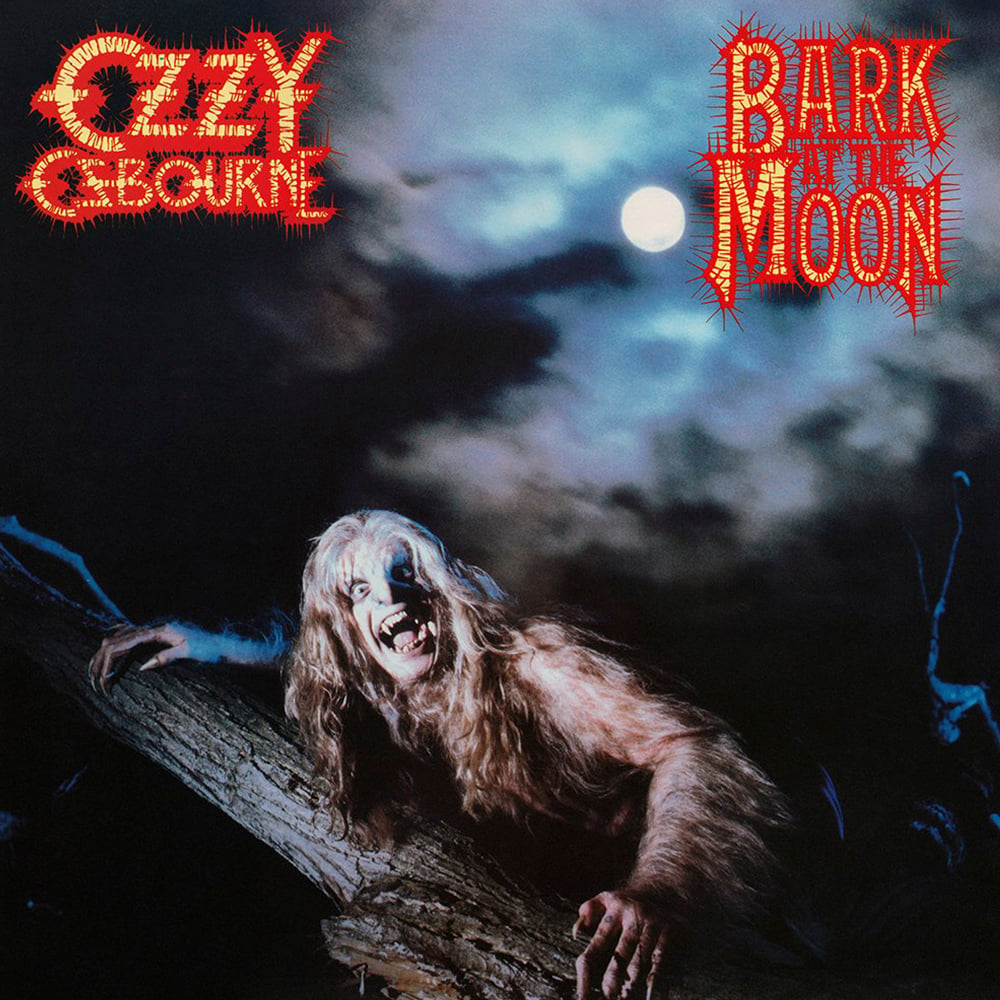
A milestone for many reasons, including Osbourne’s shift to pop and synth-inspired sensibilities, along with the fact it’s the only record with all songwriting credited to Osbourne (despite the dispute), Bark at the Moon sparked one of the most polarising cultural disagreements in music history, with Osbourne facing accusations of satanism and harmful content.
Obviously, it’s easy to see why the album cover alone would spark such suspicions, but the record was hugely commercial, bridging the gap between Osbourne’s quintessential metal revolution and the way it could coalesce with pop-inspired melodies to spark a whole new movement. There is a potent appeal to the album that offered youngsters a new sense of vivid escapism.
‘No More Tears’ (1991)

“I have a lot of great memories of making the album,” Osbourne once said of No More Tears, a sentiment not so difficult to get behind considering the band of brothers assembled for the project, including Lemmy Kilmister, Bob Daisley, and Zakk Wylde.
One of the greatest things to come out of the record was no doubt Osbourne’s surprisingly vulnerable ‘Mama, I’m Coming Home’, which came together organically in the studio and had all working moving parts from the off. As Wylde later recalled, “I remember me and Ozzy originally did that on a piano in my apartment in North Hollywood. I transposed it to guitar when we got in the studio when we were working on the record, and then y’know it sounded great.”
He added: “The song started off with the pedal steel kind of thing. I mean it just sounded great. I mean everybody’s performances and everything like that but I mean just the overall sound of it – the guys knocked it out of the park for sure.”
‘Diary of a Madman’ (1981)
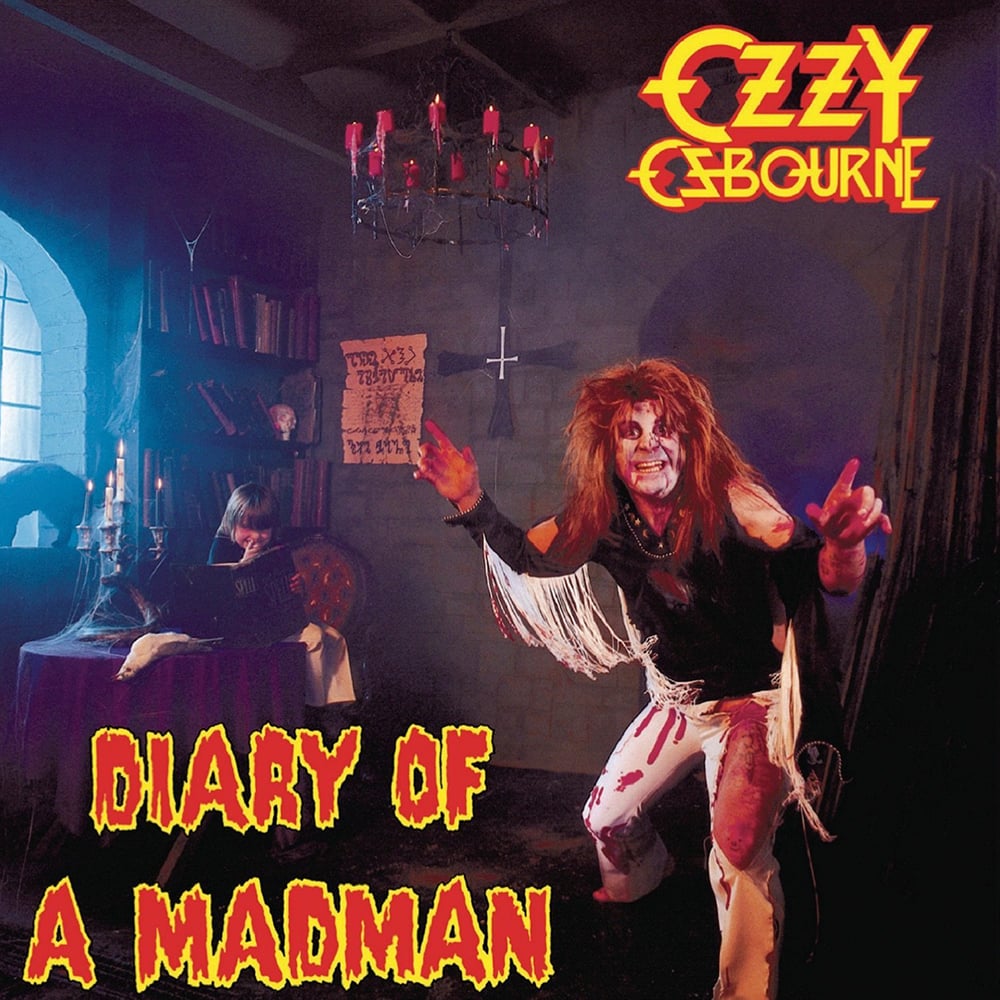
Madman might have suffered a level of paranoia akin to what some might call the sophomore blues, but the record itself ventures away from Blizzard territory by leaning into the layers that made Osbourne so endearing in the first place. On cover alone, it’s easy to tell it’s not taking itself too seriously, a deliberate stance we’d do well to remember any time it becomes tempting to focus on all the ways it falls short.
‘S.A.T.O.’, for instance, represents this perfectly, stating boldly that the madness never comes from nowhere for the sake of it, and that the record as a whole did off-kilter with intense purpose, even if the atmosphere behind the scenes was far less inviting. Either way, this brings another level of primitive whimsy you can taste from listening to the record alone, ranking naturally among Osbourne’s list of greats.
‘Blizzard of Ozz’ (1980)
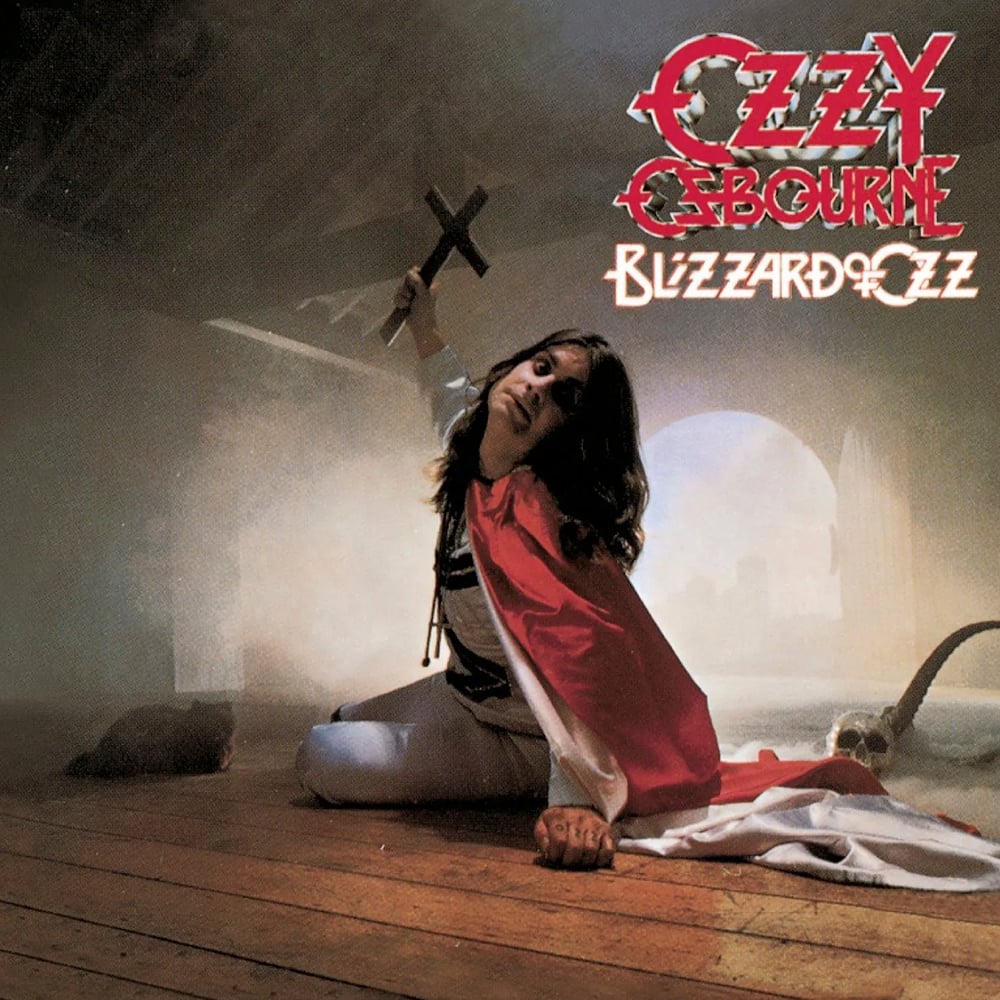
As much a swan song as the spark for a brand new chapter, Blizzard of Ozz kissed Black Sabbath goodbye with some of the best songs of Osbourne’s entire career, springboarding from the ashes of an empire with anthems like ‘Crazy Train’, ‘Mr. Crowley’, and ‘Goodbye to Romance’. Using his newfound freedom to explore new subjects, here was a new Prince of Darkness who embraced rebirth, no longer lingering as a menacing force on a ticking clock.
This poignancy was felt in the atmosphere around Osbourne until the end. ‘Crazy Train’ was the last song he performed during his solo set at Back to the Beginning, ending his reign the way he’d always intended: with a punch so intense you couldn’t help but feel the moment, a bolt of lightning that promised eternity, even if it passed in the blink of an eye.
