


Quentin Tarantino – ‘Pulp Fiction’

Following the success of his debut feature film Reservoir Dogs, expectations brewed for Quentin Tarantino’s follow-up film, Pulp Fiction. A looming question hung in the air as to whether Tarantino was around to stay in Hollywood and could capture the magic of his first full-length effort or whether he would be a mere flash in the pan and fade back into obscurity. The resulting film, his undoubted masterpiece, released in 1994, proved that Tarantino could cut it with the very best.
With the title referring to the kind of paperback crime novels one could buy at exorbitantly low prices in any given American roadside drugstore, of which excess copies were often subsequently ‘pulped’ to make way for future iterations, Pulp Fiction follows a day in the life, out of chronological order, of several criminal figures in Los Angeles, a city that Tarantino evidently knows like the back of his hand.
We are briefly introduced to an emotional couple holding up a diner before they escape unscathed and then meet two of the film’s main players, Vincent Vega (John Travolta) and Jules Winnfield (Samuel L. Jackson). The duo, hitmen for crime boss Marcellus Wallace, rock up at an apartment to recover a mysterious briefcase for their employer. The chemistry between the ultra-laid-back Vincent and the pious but effortlessly cool Jules is electric, and their relationship is certainly one of the most iconic in film history, a testament to the prowess of Travolta and Jackson.
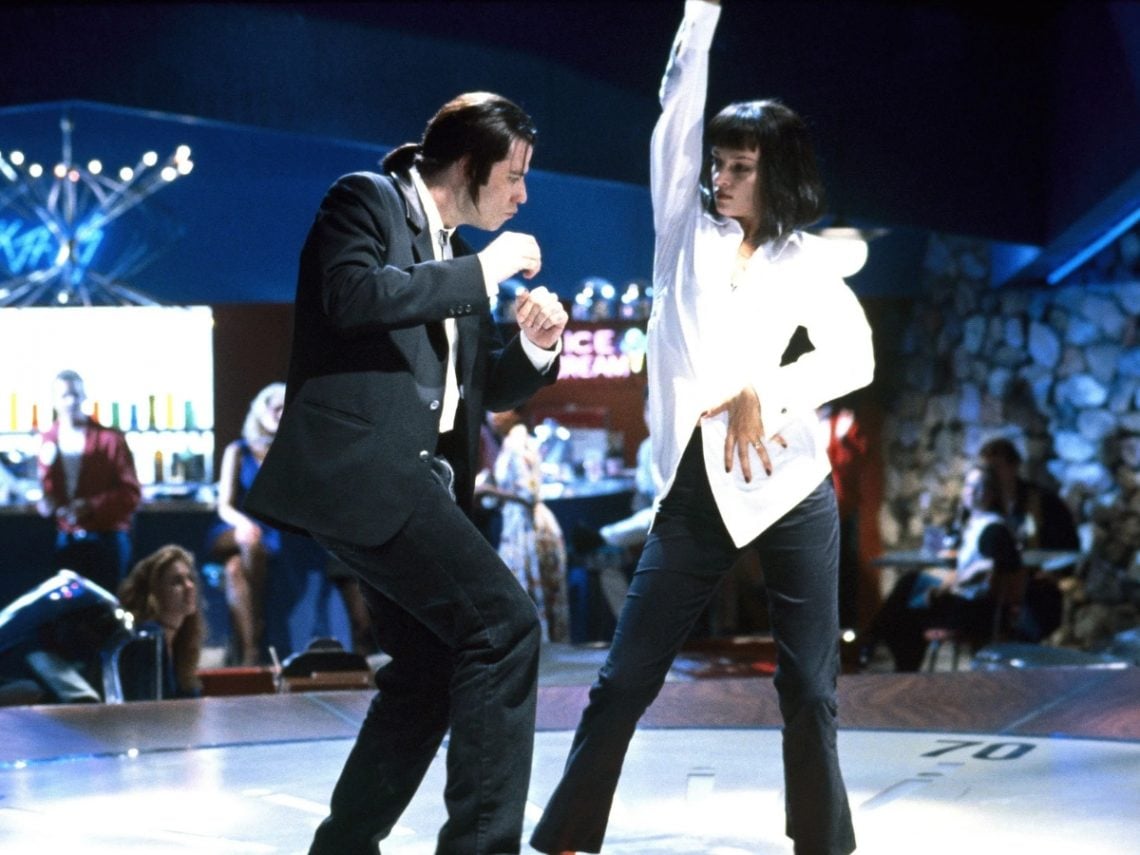
Vincent later takes the wife of Marcellus, Mia Wallace, out for dinner, where they dance the twist in a contest at a classic 1950s Americana-style diner. While Vincent is indeed just about as laid-back as hitmen come, this simultaneously results in him having an air of negligence. When Mia overdoses on what she believes to be cocaine but is, in fact, china-white heroin, he finds himself in the deepest of shit.
Also wrapped up in the overarching control of the city of Marcellus Wallace is Butch Coolidge (Bruce Willis), an overly-sentimental boxer. Butch just wants to get out of LA with his naïve girlfriend Fabienne and promises Marcellus to take a dive in his next match. However, Butch’s pride intervenes; he beats his opponent to death and takes Marcellus’ match-fixing money with him. Butch’s sentimental nature causes his final run-in with Marcellus, though, as he can’t leave town without his Vietnam-serving father’s wristwatch, and his insistence on retrieving it leads to a sexually violent showdown with Marcellus in a local pawnshop.
There’s little in Pulp Fiction in terms of the narrative that we haven’t seen before, yet Tarantino’s delivery of the linked stories is truly unique, providing simply one of the coolest movies ever made, propelled by the excellence of its actors. The film is ushered along by one of the greatest soundtracks of all time, brimming with vibrancy from the likes of Al Green, Neil Diamond and Kool and the Gang, with each of their track providing a truly memorable backdrop to the action.
Pulp Fiction contains within it moments that will go down in modern Hollywood history, from Jules’ deliverance of a bible passage (Ezekiel 25:17) and his subsequent reflection on its true meaning to Vincent’s iconic dancefloor twisting and glimpsing momentarily into Marcellus Wallace’s briefcase (the contents of which are never disclosed), to Butch’s eventual return to Fabienne after suffering consequences of genuine shame.
In no uncertain terms, Tarantino’s second film is a genuine masterpiece and can be watched eternally; audiences always find new snippets of previously hidden meaning. Los Angeles is indeed shown to be a dangerous place, but it’s riveting and alluring, sexy and ultimately, Tarantino shows us that perhaps worth the risk. Pulp Fiction is Tarantino’s homage to the stories that have dominated American fiction throughout the 20th Century and ought to be the first film that comes to mind when his name is uttered.

Never Miss A Take
The Far Out Quentin Tarantino Newsletter
All the latest Quentin Tarantino content from the independent voice of culture.
Straight to your inbox.