


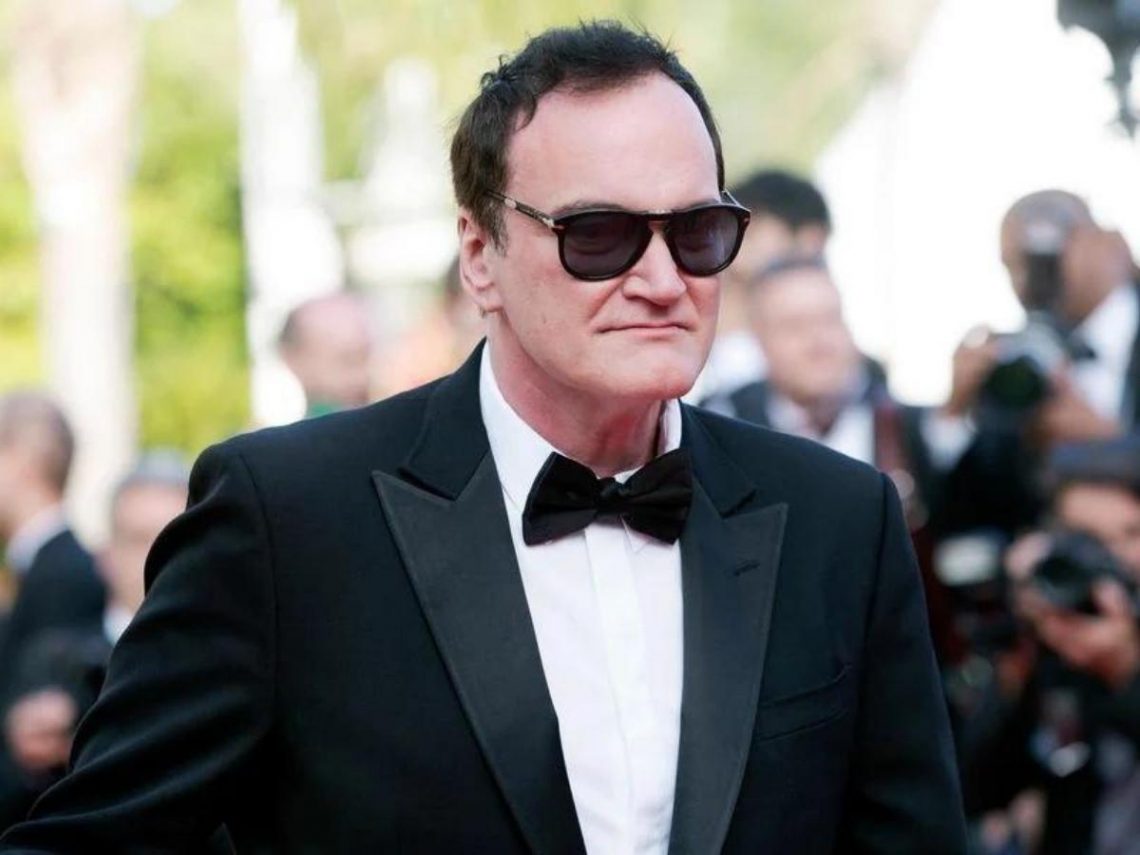
Quentin Tarantino explains why he hates the “corrupted cinema” of biopics

Always more than willing to share his perspective on various cinematic areas, director Quentin Tarantino has a lot to say about changes in how a film is made, exhibited and consumed. The filmmaker came into the movie business with his own distinct vision, contextual landscape and recruitment of film’s potential, creating an influential career that defines contemporary American cinema.
Tarantino’s outlook on the properties and potential of cinema branches out into discussions of the most robust concepts, approaches and genres, with the director favouring graphic examinations of violence blended with character studies and pop culture in his works. Regarding the exterior cinematic contributions he prefers, Tarantino gets straight to the point with thorough and analytical perspectives.
When it comes to film classifications, Tarantino is confident in his likes and dislikes. During an interview with TheTalks, the Kill Bill director was asked about the genres he feels are the strongest and weakest, causing Tarantino to reflect on how, in his opinion, one popular film genre is weakening cinema through its tiresome intentions.
Tarantino keeps it straightforward in his response: “I don’t like everything,” he said, showcasing his objective view. “I like historical movies, but I am not a costume drama fan.” The filmmaker has experimented with historical themes in his work, including Django Unchained, which depicts an 1800s America, and Once Upon a Time in Hollywood, showcasing an alternate historical take on the Manson Murders.
Furthermore, the filmmaker adds: “Another genre I have no respect for is the biopic. They are just big excuses for actors to win Oscars. It’s a corrupted cinema.” This stance is a heated one given cinema’s recent obsession with biopics plagued with intense explorations of an important figure’s public and personal life. These releases, directed by some of the industry’s most visionary and most prominent names, attract the Academy and other award outlets through their dramatic performances and heavy themes.
The biopic is defined by its pattern of selecting public stories based on their traumatic or emotionally harrowing material and personas. Directors build up over a two-hour runtime by showcasing a dense depiction of a whole lifetime, something Tarantino addresses in his critique of the film genre. “Even the most interesting person – if you are telling their life from beginning to end, it’s going to be a fucking boring movie,” he explains. “If you do this, you have to do a comic book version of their whole life.”
He adds: “For instance, when you make a movie about Elvis Presley, you don’t make a movie about his whole life.”
This interview took place a decade before Baz Luhrmann directed Presley’s visually spectacular musical biopic, narrating how the star was found by his exploitative manager and became one of the industry’s greatest performers before passing away due to health complications. Despite the thorough and extensive presentation of Presley’s life, the director claims a great deal of footage was cut.
Luhrmann’s movie has received countless award nominations and wins for its stunning concert sequences and compelling performances, such as leading man Austin Butler. However, this response is the exact thing Tarantino cites as a mode of anti-cinema, claiming it devalues the industry through releases that look only to garner a trophy rather than create a personal or original piece of art. Instead, the director offers a more creative and plain-sailing execution.
“Make a movie about one day. Make a movie about the day Elvis Presley walked into Sun Records,” Tarantino continues. “Make a movie about the whole day before he walked into Sun Records, and the movie ends when he walks through that door. That’s a movie.”
Following this, Tarantino is asked if he would ever watch a biopic about his life and career, showcasing how he became infatuated with cinema in the 1960s and ’70s before re-imagining the medium in the ’90s. “I might be flattered,” he replies. “But I wouldn’t watch it.”

Never Miss A Take
The Far Out Quentin Tarantino Newsletter
All the latest Quentin Tarantino content from the independent voice of culture.
Straight to your inbox.