


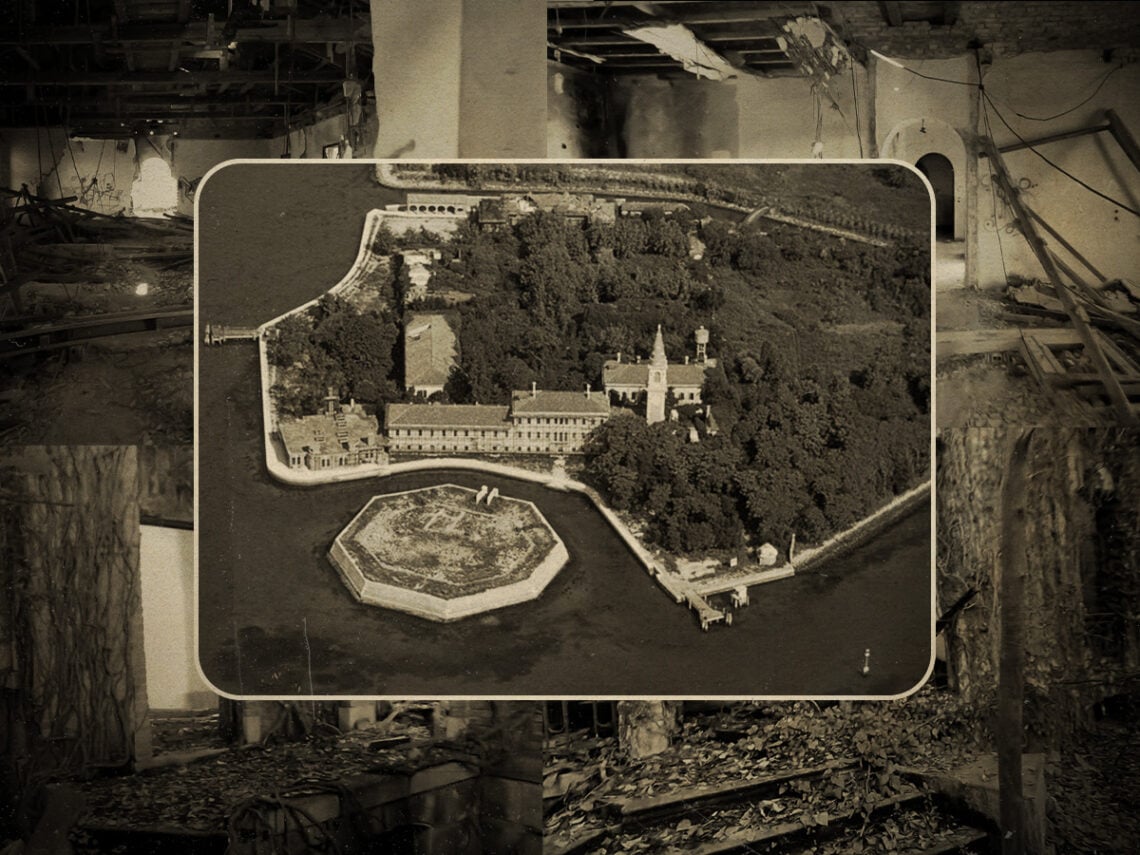
Poveglia: The Italian island that the living forgot

Italy is one of the very best travel destinations on the planet, and amongst the many glorious places to visit, you often see Venice listed at, or near, the top, but around three miles from St Mark’s Square, out in the Venetian Lagoon, is Poveglia Island, where on a clear day, you can see the island, but you won’t see tourists walking there.
Unlike the hustle and bustle of Venice, it’s quiet; there are no cafes, nowhere selling gelato or shops shifting fridge magnets and other tat. In a city built on the tourist trade, it’s notable that Poveglia lies dormant, but with its storied, dark history, that’s perhaps for the best.
The story begins over 1,500 years ago, with the first record of Poveglia traceable to 421 when the Romans used it as a military outpost. Over the next couple of hundred years, it lived a modest life, acting as a community for farmers and fishermen and even had a salt production trade. By 864, it had a castle, grown in size and was trading with neighbouring Venice at a time when the little neighbour was developing into a regional powerhouse.
As Venice grew, it became bigger, richer and more important, but it also developed enemies, and with war breaking out between Venice and Genoa in 1379, the island got caught in the crossfire between these two great cities. It’s said to be one of the most violent conflicts in the Mediterranean Sea, and the people of Poveglia, scared for their lives, fled, and while understandable, the flight of the residents marked the beginning of the end for the little island, which thereon developed a reputation as a home for those not living but dying.
By the 14th century, Venice was one of the most important trading hubs on the planet, with ships arriving daily from all over the world. Bringing in travellers from the Middle East, Constantinople and North Africa, it was a hub of language, culture, food and money. That wasn’t without serious problems, especially with the bubonic plague beginning to ravage Europe, and the Venetian reaction was to develop what was one of the world’s first quarantine systems.
From 1776, Poveglia became a quarantine station, known as a lazaretto. Here, any incoming ships would need to stop, and their boats would not only be searched, but the crews studied, and checked for any signs that could indicate the plague, cholera, or any other serious illnesses. If there were any indicators of illness, they’d be forced to wait on Poveglia; sadly, many never left.
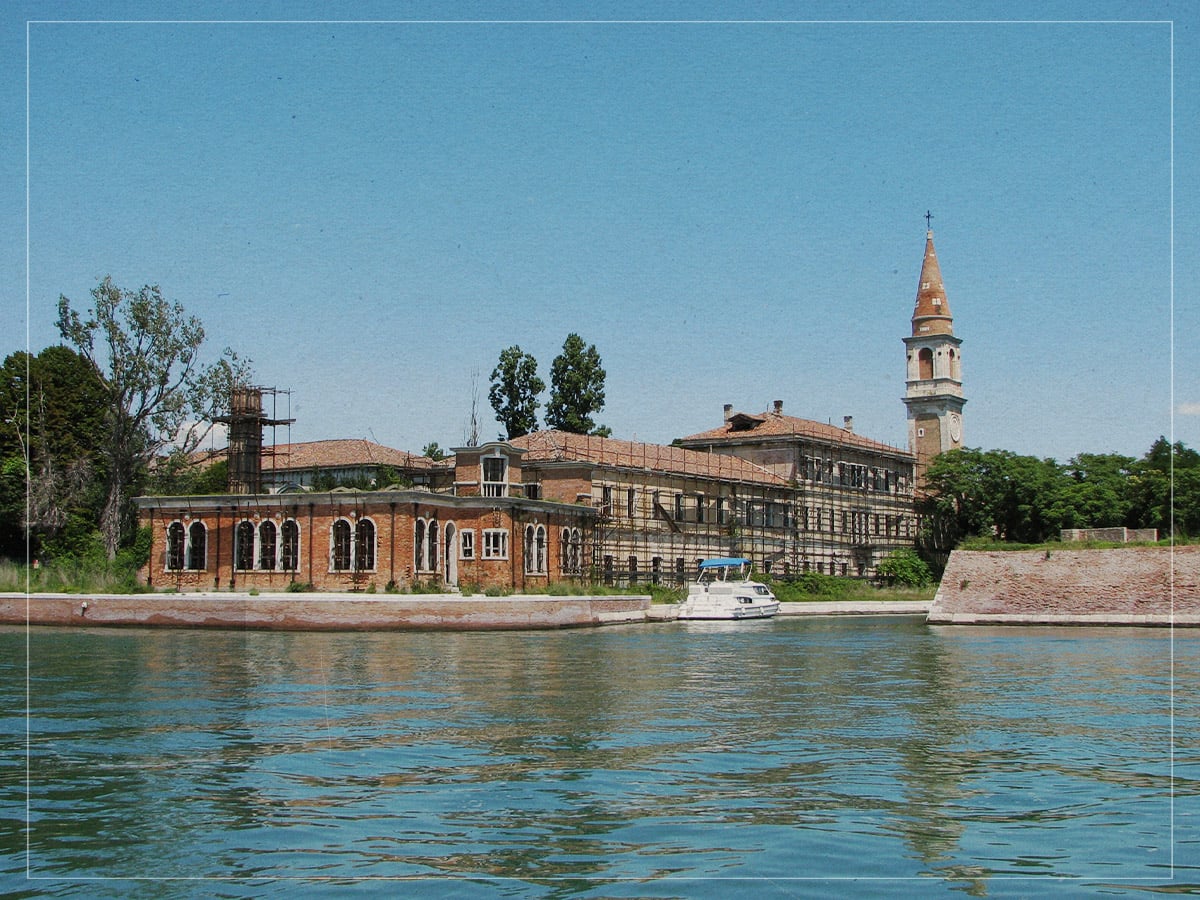
Estimates suggest that over the centuries, between 100,000 and 160,000 died on, and were buried on site. Those are staggering numbers for an island that’s smaller than ten football pitches. Some of the dead were buried in huge, open pits, while others, during periods of intense outbreaks, were simply piled up and burned. Eventually, the plague passed, and in time, the quarantine station closed, before the island fell silent once more.
That was until 1922, when a psychiatric hospital was built upon the land. This way a different age, a long way from today, and people weren’t locked up in this asylum to be helped, they were put somewhere this isolated to be kept away from the rest of society. Families would often dump relatives there, before leaving and never returning, with the state often leaving people there too. While some residents had serious psychological issues, others were placed there for smaller ailments such as epilepsy, and even for being in poverty or being eccentric.
Much like the quarantine years, many people never left the island. There are some unverified stories that one doctor experimented on patients, subjecting them to lobotomies and numerous other surgeries that were more like torture than treatment. In 1968, thanks to wider reforms in Italian psychiatric institutions, it was closed, and silence returned to the island. That former asylum building still stands on Poveglia today, being eaten up by vegetation and with unstable brickwork, rotting staircases and barred windows that look out to seas.
In the years that followed, it became subject to ghost tales and drew television crews from across the world who were desperate to find these haunted souls. Then, in 2014, the island was placed on an auction list by the Italian government. Given the proximity to Venice, it was a potential commercial goldmine with numerous consortia looking to snap it up. One Venetian, Patrizia Veclani, was horrified by the idea of it falling into private hands and organised for locals to pool together money to buy the island.
The group she formed, Poveglia per Tutti, or Poveglia for Everyone, in English, clubbed together €460,000 between its 4,500 members and managed to secure a 99-year lease on the island. As of now, the Poveglia still remains closed to the public, with a permit required to visit, but the hope is that in the coming years, it’ll be opened as a community park, only for residents of Venice.
For hundreds of years, Poveglia has been a place of death and decay, acting as an end-of-life destination for hundreds of thousands of people, but now, thanks to the community of Venice, it looks like it might have a new role, as it’s reclaimed to bring happiness and joy into people’s lives. Hopefully, in the years to come, the island will come alive once again.
