


“She’s the cheerleader”: The classic pop song disguised as a Courtney Love diss track

Rewind to about a year ago, and the only topic on any music lover’s lips was Kendrick Lamar vs Drake. I mean, it shouldn’t come as a surprise, should it? There were some brutal jabs thrown in both directions, damning accusations, and most importantly, some great music to come out of the beef. This is one rap beef in a history of disagreements settled through music, and they never cease to entertain.
Whether you’re talking about Biggie vs 2Pac, Jay Z vs Nas or Drake vs Pusha T, there is nothing more entertaining than seeing two famous people, people who often deem themselves untouchable, settle their differences by resorting to what is essentially name-calling. Not to mention, some of the best songs from the genre are the result of beefs, such as ‘Not Like Us’, ‘Hit Em Up’ and ‘The Bridge Is Over’. One of the most common misconceptions about rap beefs, however, is the idea that they were the origin of the diss track, but disses stretch back long before people started rapping.
If history serves us right, the first recorded diss-track (or at least a song that could resemble a diss) was written back in 1933 by Noel Rosa. Prior to that, an artist called Wilson Batista had written a samba called ‘Lenço no Pescoço’, which was a song that celebrated living a vagrant lifestyle. A number of people took a disliking to the track, one of whom was Rosa. He responded with the track ‘Rapaz Folgado’, which took issue with the theme of the song and was a retaliation to it.
Pre-hip-hop artists who settled their beef in music included the likes of Steely Dan, Elvis Costello and John Lennon. Who could forget the brutal song ‘How Do You Sleep?’ The track was aimed at Paul McCartney during one of the duo’s frostier periods and remains one of the cruellest numbers ever committed to music.
Post-hip-hop, the majority of musical beef is settled via rap. It’s the perfect genre for a diss track, given how word-heavy rap music is and the fact that people can say a lot in a little amount of time, the best way to convey a message is by rapping about it. However, there are occasional diss tracks that slip through in other genres, one of the most surprising of which is hidden in a pop song, so well hidden that a lot of us don’t even realise it’s there.
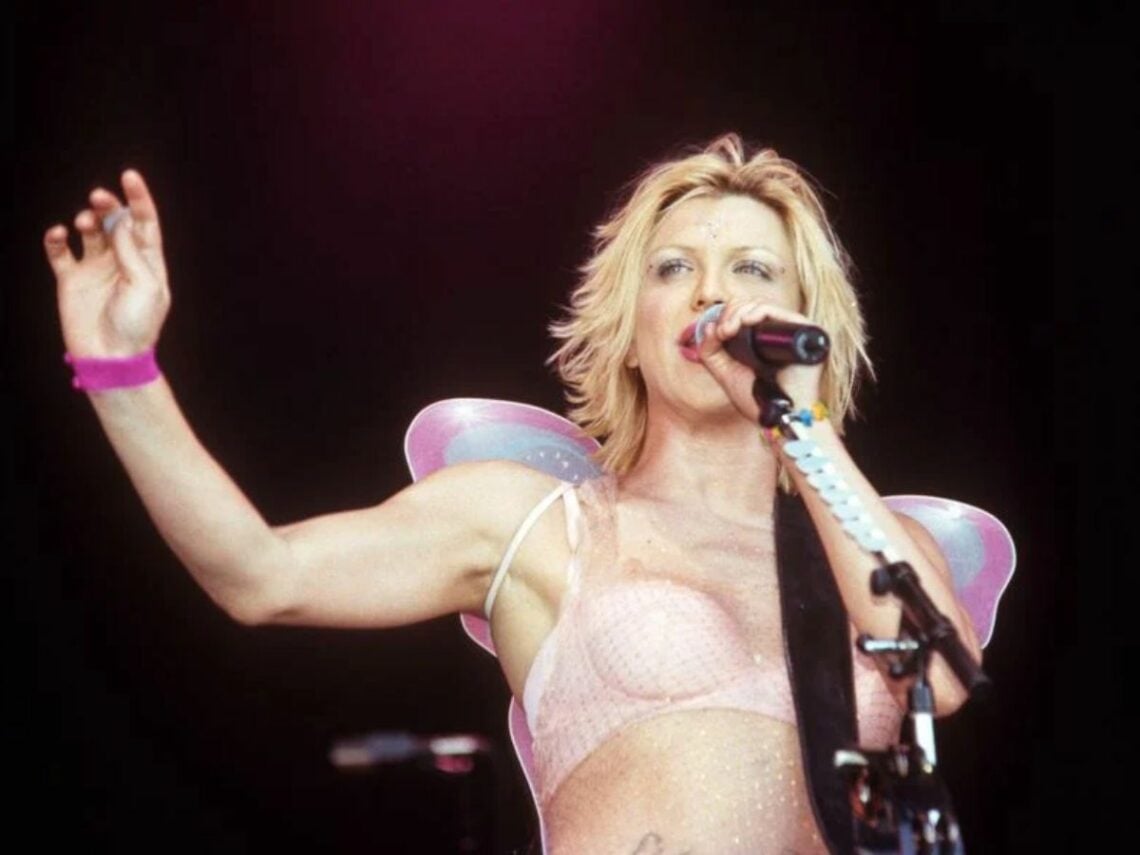
One of the most famous feuds in the grunge world is between Courtney Love and Dave Grohl. Grohl wrote the tracks ‘I’ll Stick Around’ and ‘Stacked Actors’, both of which were intended to be jabs at Love. But Love has managed to annoy a lot of people in her outspoken career, and as such, these aren’t the only diss tracks she’s inspired. One of them comes in the form of the classic pop song ‘Hollaback Girl’ by Gwen Stefani.
Yes, you read that right! The song you recite every time you have to remind yourself how to spell “bananas” is a dig at Courtney Love. For those who don’t know, a “Hollaback girl” is usually one of the lesser-known cheerleaders who stand in the background. They don’t lead the chants. Instead, they wait for the chant to be led and then holla back, hence the term. Stefani wrote the track, which centres around the theme of cheerleaders, after Love made some choice comments about her in an interview.
“Being famous is just like being in high school,” said Love, “But I’m not interested in being the cheerleader. I’m not interested in being Gwen Stefani. She’s the cheerleader, and I’m out in the smoker shed.”
Stefani wrote the song in response to Love, essentially letting the grunge singer know that she had seen her comments and she isn’t a cheerleader. A lot of people saw the theme of the track as a simple bit of fun, but there was actually a great deal of intention behind every word Stefani said (maybe except for the spelling “bananas”). It shows you that despite rap being one of the best genres to settle beefs, diss tracks can slip through the cracks of other genres completely unnoticed.
