


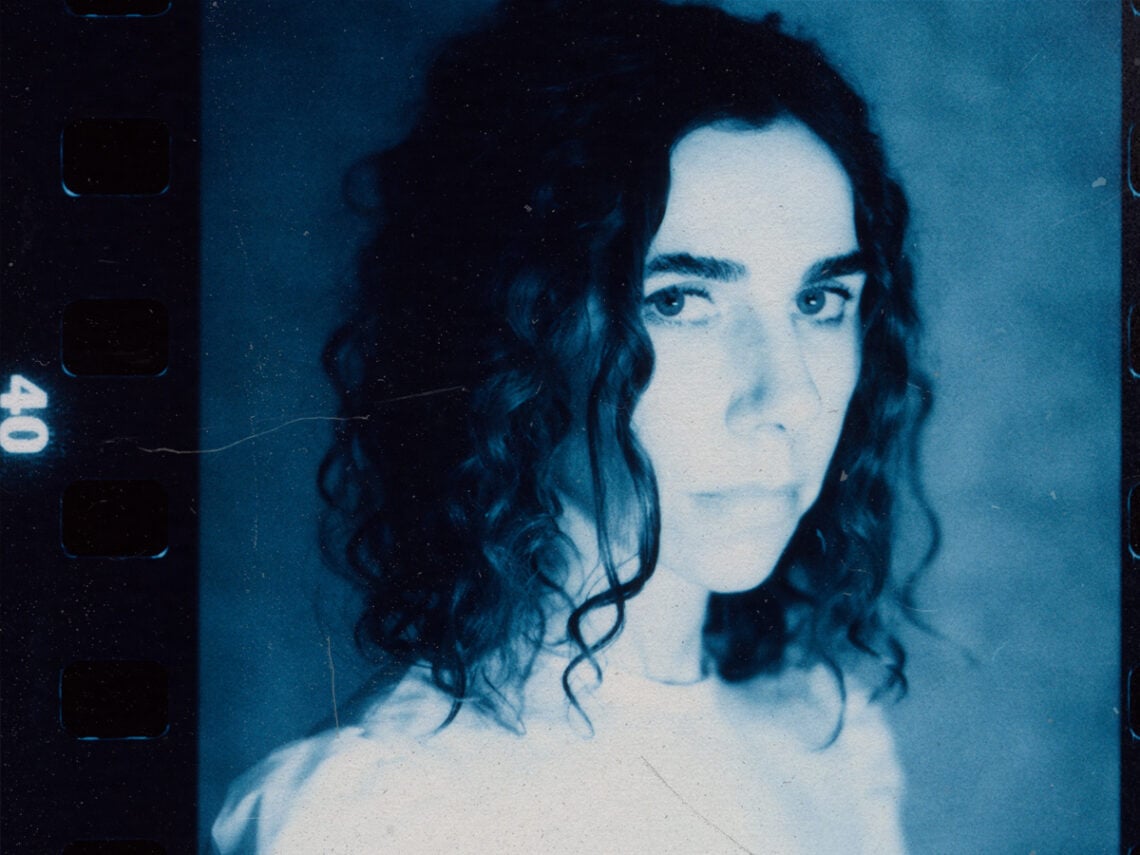
PJ Harvey – ‘I Inside the Old Year Dying’ album review: highs and lows in a journey of eccentric weirdness

Going into any new PJ Harvey album, you always know that expectations are futile. She is a unique star who exists outside of typical stardom, following her own muse no matter where it takes her and seemingly barely holding a care about how the resultant exploration is received. Her new album, I Inside the Old Year Dying, typifies both the highs and lows of that singular, belligerent approach.
Things start in the come-hither of a haunting shimmer. ‘Prayer at the Gate’ is a mystic swirl of strained ambience and a tepid drumbeat pushing things languidly forth, while Harvey’s vocals provide a sense of wavering folk melody waltzing through it all. It is an implacable piece of music, somewhere beyond the last mortgaged edges of civility, but not quite a waltz through the wilderness of some darkened spiritual wood. Ultimately, this sense of tinkering on the edge of both dissonance and escapism leaves you unsure, uneasy, but allured to the record.
Then, with your interest just about piqued by the peculiar opening, the right hook of ‘Autumn Term’ and its bombastic weirdness might very well have you laughing your cap off. The track features a comic caterwauling racket like no other. Without being glib when it comes to an album that clearly prides itself on extreme, wistful spiritualism, it is impossible to wrestle away the notion that this is being sung by South Park’s Mr. Garrison.
The vocals on the track are like a piece of modern art you stumble across in the MoMA and conclude that it is so comically bad that surely must be the intent in the first place. It is, in short, the sort of song that proves indefensible for us poor old avant-garde fans; when this blares out of the speaker, and a less alternative-inclined friend comments, ‘What on earth is this? A cat being strangled?’, you’ll have no choice but to utter, ‘She’s usually better than this,’ and then hurriedly check the album credits to ensure that Minnie Mouse wasn’t maimed in the making of the record to achieve this tortured shrill.
However, while that might all sound truly damning for the comeback LP, it is merely the worst symptom of Harvey’s unique artistry. She is able to brush this low aside and reap the benefits of artistic individualism elsewhere. Latter tracks like ‘The Nether-edge’ and ‘August’ see her seize upon a fresh trip hop and traditional folk meddling that sounds, unlike anything you’ve heard before for the right reasons rather than a mere dissonant departure of pure counterpoint. The strange whirling world of these songs form an alluring miasma that might lend themselves to clearer judgement years down the line.
But by the same token, quite a lot is lost in this liminal netherworld. The album itself arose out of Harvey reaching a place where she was sadly suddenly bewildered by music and her place in it. Then the artist and filmmaker Steve McQueen told her, “Polly, you have to stop thinking about music like it’s all albums of songs. You’ve got to think about what you love. You love words, you love images and you love music. And you’ve got to think, What can I do with those three things?”
This is all well and good, and it certainly helped her recapture her passion, but it results in kaleidoscopic wisps of ideas that are hard to cling to as a mystified listener. Given her songwriting prowess, I’m sure there are moments of great brilliance in this odious album -brief lyrical flourishes of biblical imagery signpost this – but they pass you by like freebies being handed out on a crowded high street when you’re in a hurry to the end. In the obverse of not being able to see the wood for the trees, you find yourself so tossed and turned by the whole wailing weirdness and the often unpleasantness of that maudlin barrage that the fine details of greatness and interest cast among it are too hard to decipher.
Harvey wanted to create a record that you can “get lost” in; she achieves this with aplomb, but all too often, it isn’t much of a comfortable escape to the country, more akin to losing grip of your mother’s hand in a busy supermarket than an embalming wander through the woods. Harvey has exorcised her tormented years as an artist, dissociated from her craft and placed that process on record owing to her class. That means there are moments of magic and thrilling innovation, but there are also moments where you wonder whether any of this was done with the listener in mind. Because while the album’s idiosyncratic artistic headway might be applaudable from an academic standpoint, I highly doubt it is one that fans will be returning to all that often.

Never Miss A Beat
The Far Out New Music Newsletter
All the latest New Music from the independent voice of culture.
Straight to your inbox.