


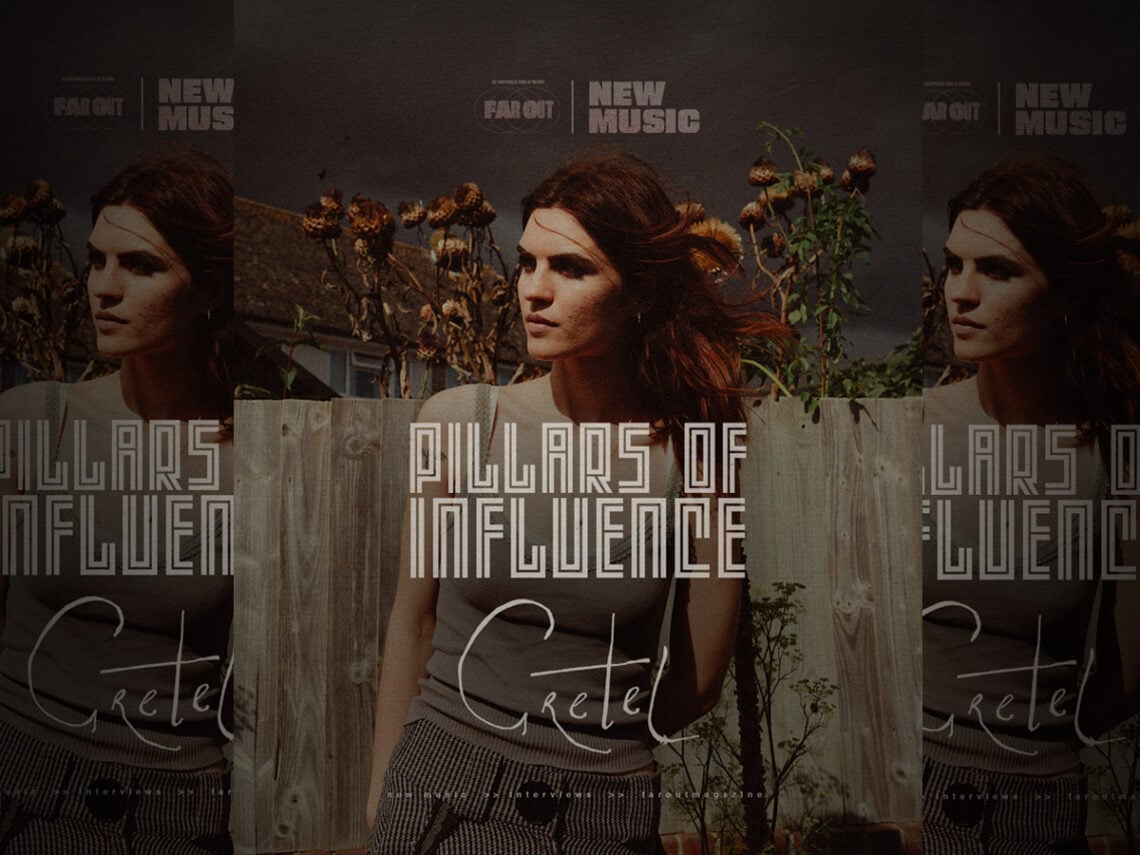
Pillars of Influence: Five essentials that inspire Gretel

Gretel’s debut album has been four years in the making. The British singer-songwriter released two EPs, 2022’s Slugeye and 2023’s Head of the Love Club, and now she has returned this year with her mighty, prowling alt-rock extravaganza, Squish, but it’s been a long road for her, one littered with missteps in an industry that imbues confusion and self-doubt in the women who dare to dream big.
There are pressures from the label, from management, from social media: What does everybody else like?, or what does everybody else want to hear?, and in the hubbub of it all, what Gretel wants can easily be left behind.
On a cold, blue-sky day at the end of March, I make it my business to ask her, to find the through-road that she followed her breadcrumbs to return to a diaristic sense of self despite all the push-and-pull of the industry.
We touch on sonic influences, as Squish contains guitar bends fit for a Nirvana show and vocals fit for a Cocteau Twins show, as well as key emotional influences, and on her debut album, Gretel builds a world that attempts to protect the lonely and damaged, pulling them in with lyrics that find solace in non-judgmental introspection.
Because of this, her influences are both expansive and personal, from an entire music period to the women in her life who have inspired her own search for the truth. Read on for the full lowdown.
Five essentials that inspire Gretel:
PJ Harvey
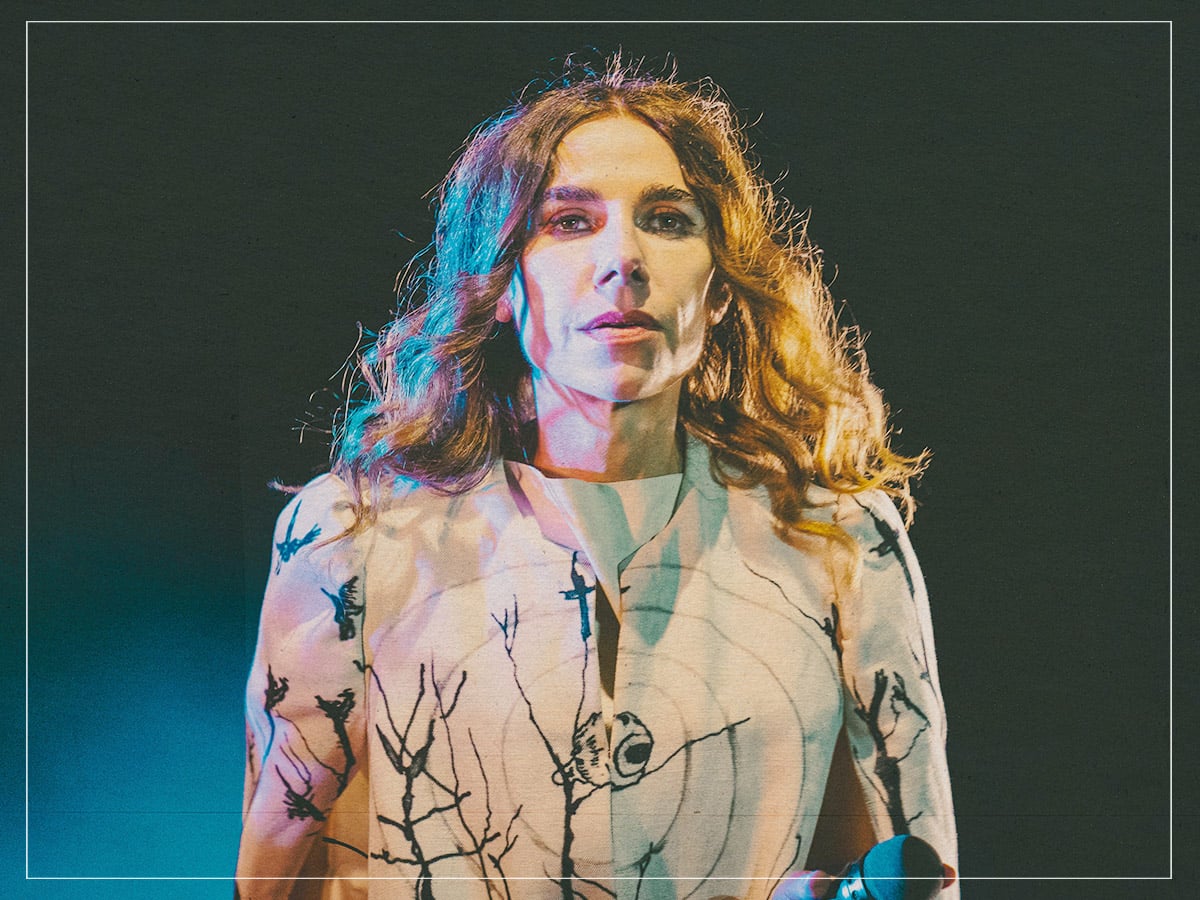
PJ Harvey has always been that bitch, capturing the messy, unkempt air of the 1990s with a witchy hand and slap of the wrist.
Gretel shared, “PJ Harvey is a massive, massive influence for me. I really love her, specifically her albums Uh Huh Her and Dry and Rid of [Me],” explaining further, “All of her early stuff is so feminine, so gross. I think there’s a lyric where she mentions not washing her breasts. And I heard that as a kid, and I thought…incredible. That’s something that I channel quite a lot when I’m writing: gross lyricism.”
Captivating opening lyrics
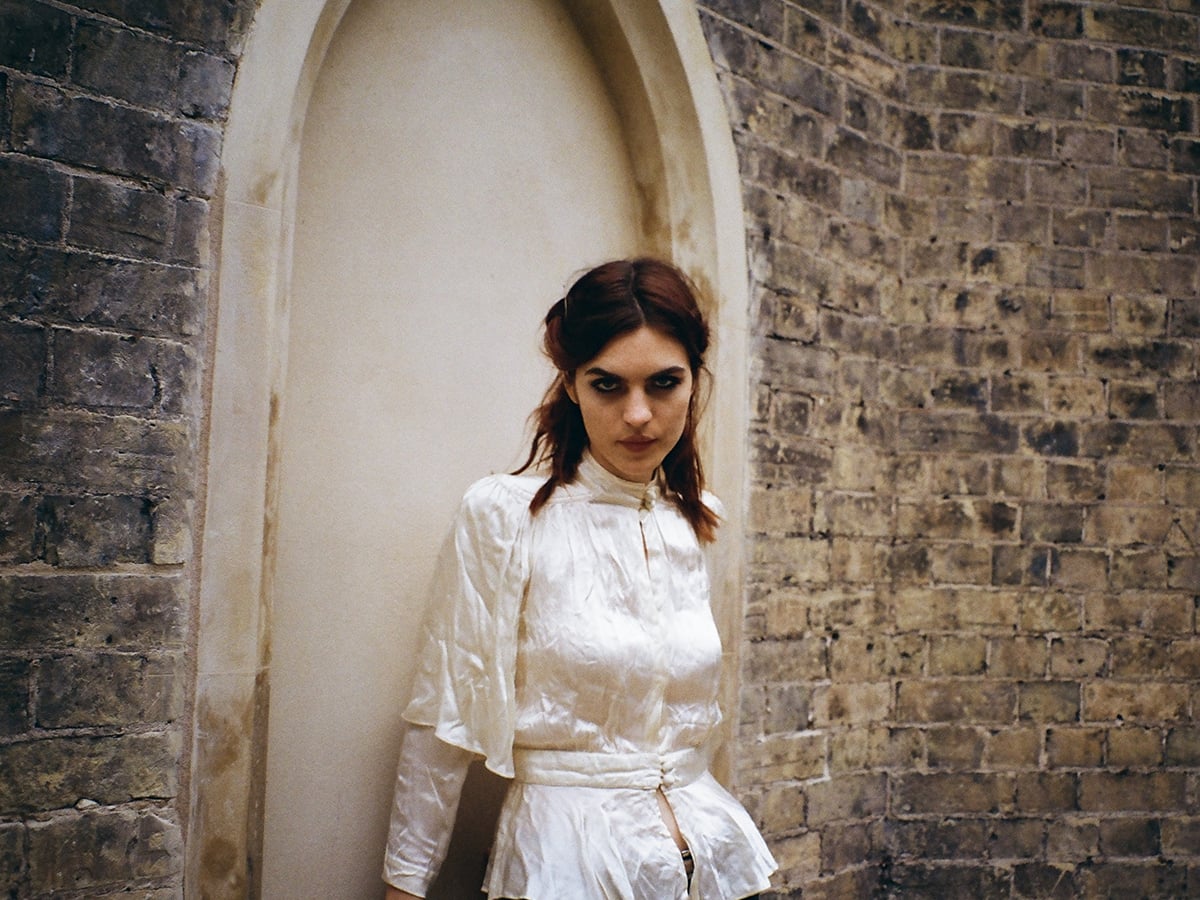
“Darkness be my friend, I have a trampoline,” Gretel sings on ‘Darkness, be my friend’, a track written in a reflective frenzy at a crossroads in her career, when the artist was asked to choose exactly where she wanted to go from here. She chose guitar music, live recordings, and scarily addictive opening lines.
“I always try and have a really captivating opening line when I’m writing music to the point where, if I’m writing and I don’t have a good opening line, I probably won’t finish the song,” she shared.
Gretel added that this process requires patience: “I wait for that to hit me. And all of the songs on this album have some kind of weird opener”.
Mundane fairytales
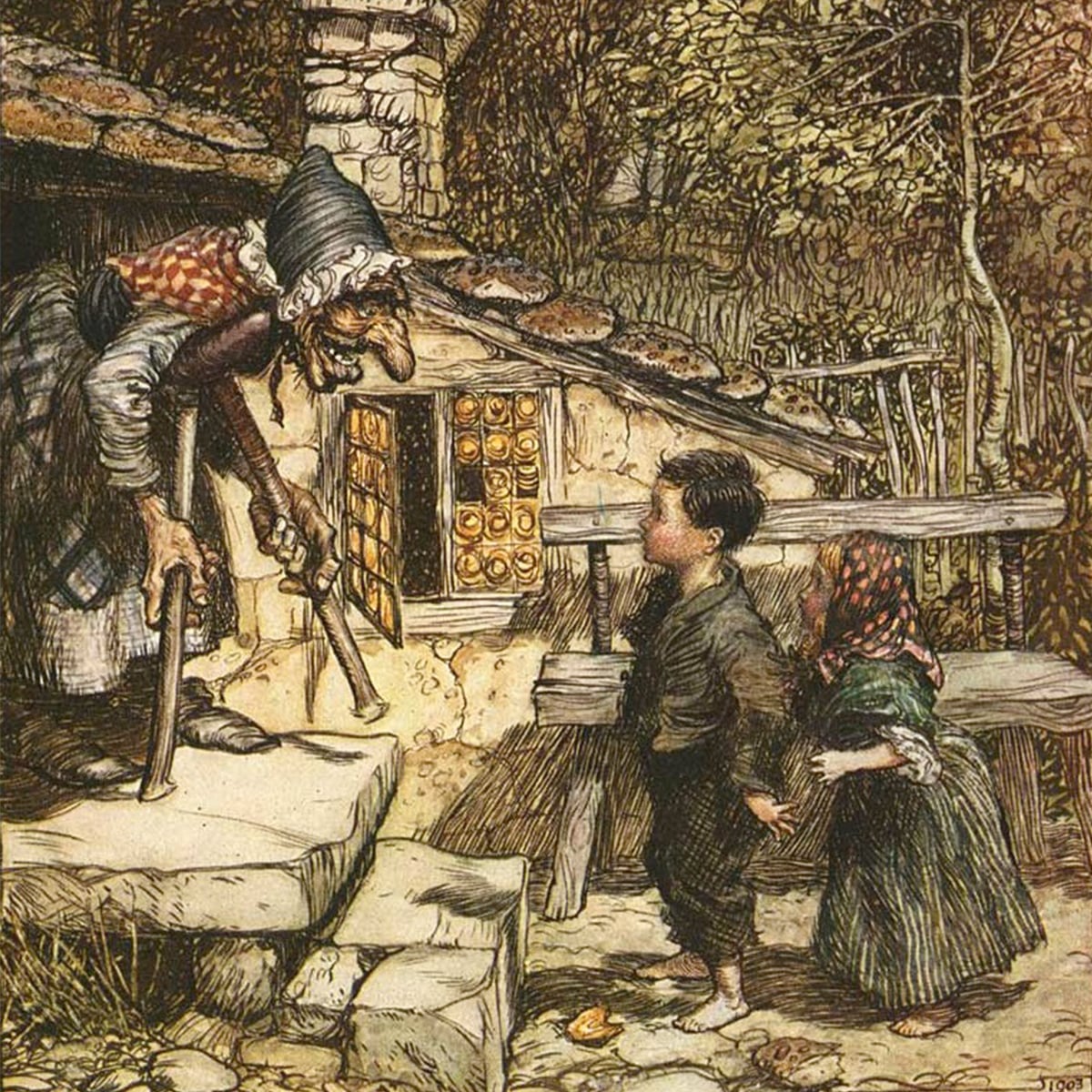
Gretel’s name isn’t actually Gretel; the allure of the mythical and mysterious at the heart of the fairytales she grew up hearing has literally shaped the way she is perceived in the industry. It’s no wonder that the West London star continues to pull on the fairytales that continue to surround her, sharing, “When I was growing up, I was super into Brothers Grimm fairy tales”.
“Fairy tales were huge for me when I was growing up, and when I first started writing, it was all short horror stories and like murder ballads and stuff,” she added.
For Squish, things were the same: “When I was writing this album, I did keep in short stories and horror stories in the lyrics: The song ‘Witch Hunt’, for example, is a story about a witch getting her revenge after she gets burned at the stake by some, like original incel.”
Elsewhere on the album, the influence isn’t all that obvious, but it’s still there: “There are other songs that are more like mundane fairy tales, or coming of age”.
1990s music
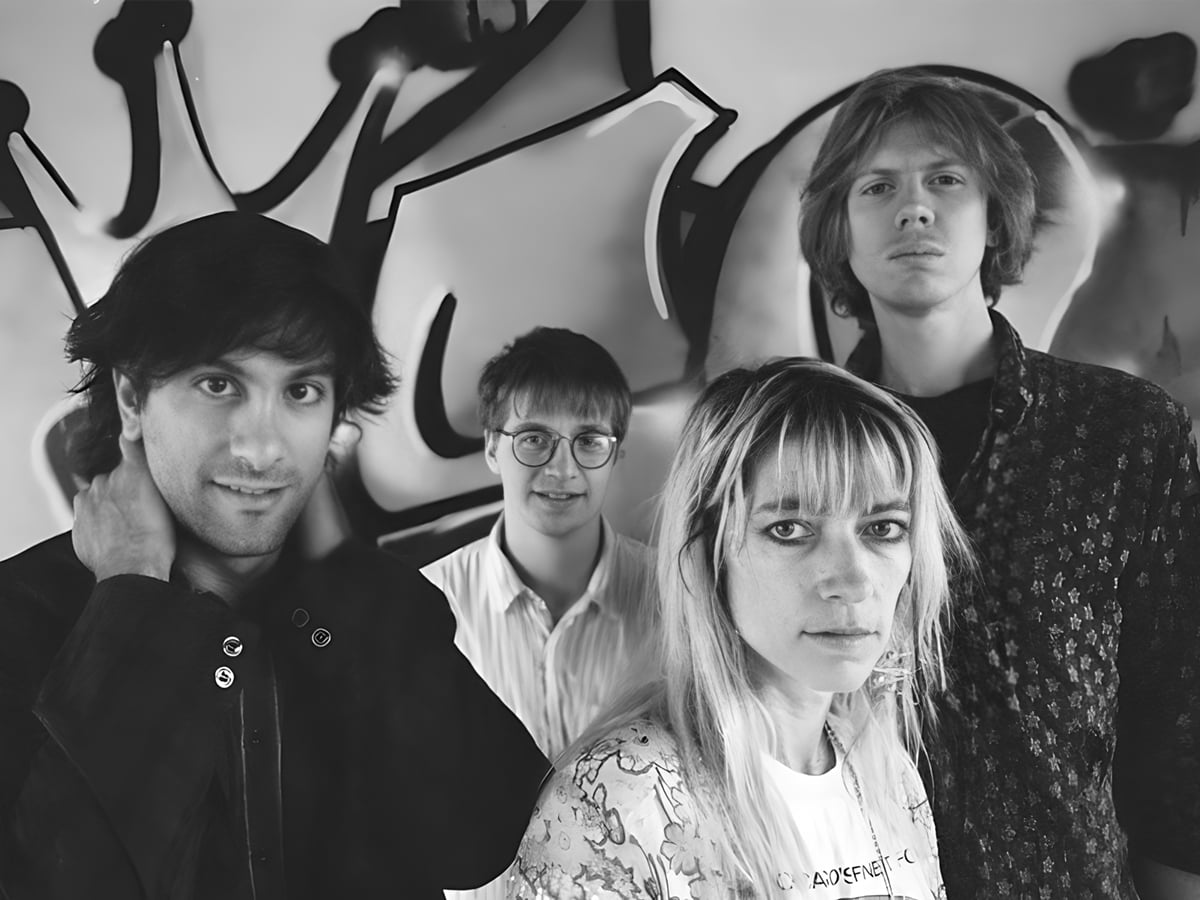
It’s a well-trodden path, sure, but the sexy grunge and grimy rock that characterises the music of the 1990s, before the internet went and ruined our attention spans for good, had a hold on millions of music lovers, and it’s no different for Gretel.
She nods towards several key 1990s bands: “Sonic Youth, PJ Harvey, The Stone Roses… There’s so much sad epicness“. This grandiose melancholy is central to what Gretel searches for in music, where things have to be messy and raw to really connect.
She added, “If I’m listening to a song and I’m like, it’s sad, and yet it’s huge and so epic at the same time, it just moves me in a huge way. So that’s definitely something that I like to channel in the guitars in my music.”
The women in my life
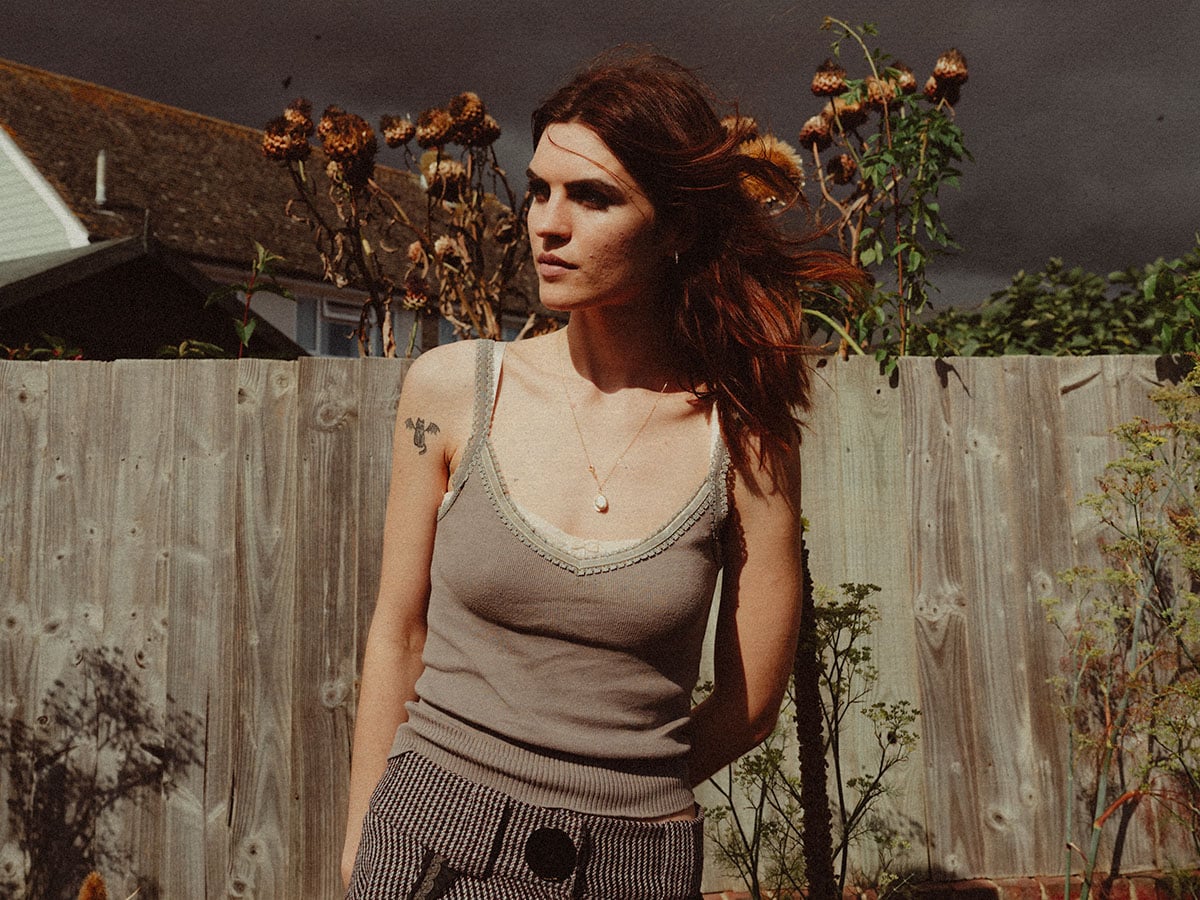
Squish is a painfully personal album, one that tracks the female experience from body image issues to forgotten nights out, and the coming undone of the coming-of-age story. Whether we think it or not, we aren’t the first generation to go through this.
Gretel shared her final influence, nodding to “the great women in my life and in my family, I’m quite protective of, like the people that I care about, and I tend to write from that place quite a lot”. She pointed to one of the album’s first tracks, ‘Maybelline’, during which she retells a moment when her Nana comforted her through an agonising breakup while the pair watched Strictly Come Dancing.
“I had a broken heart, and she just put her arms around me, and it was this weird tribal witchy grieving thing. She rocked me back and forth and started crying with me,” she recalled.
Beyond this memorable moment, Gretel channels this idea of protection throughout Squish: “But there’s a lot of that in my writing, when I’m writing from that protective place, almost like my Nana’s character is a place that I write from quite a lot.”
