


‘People of the Po Valley’: an early Michelangelo Antonioni documentary

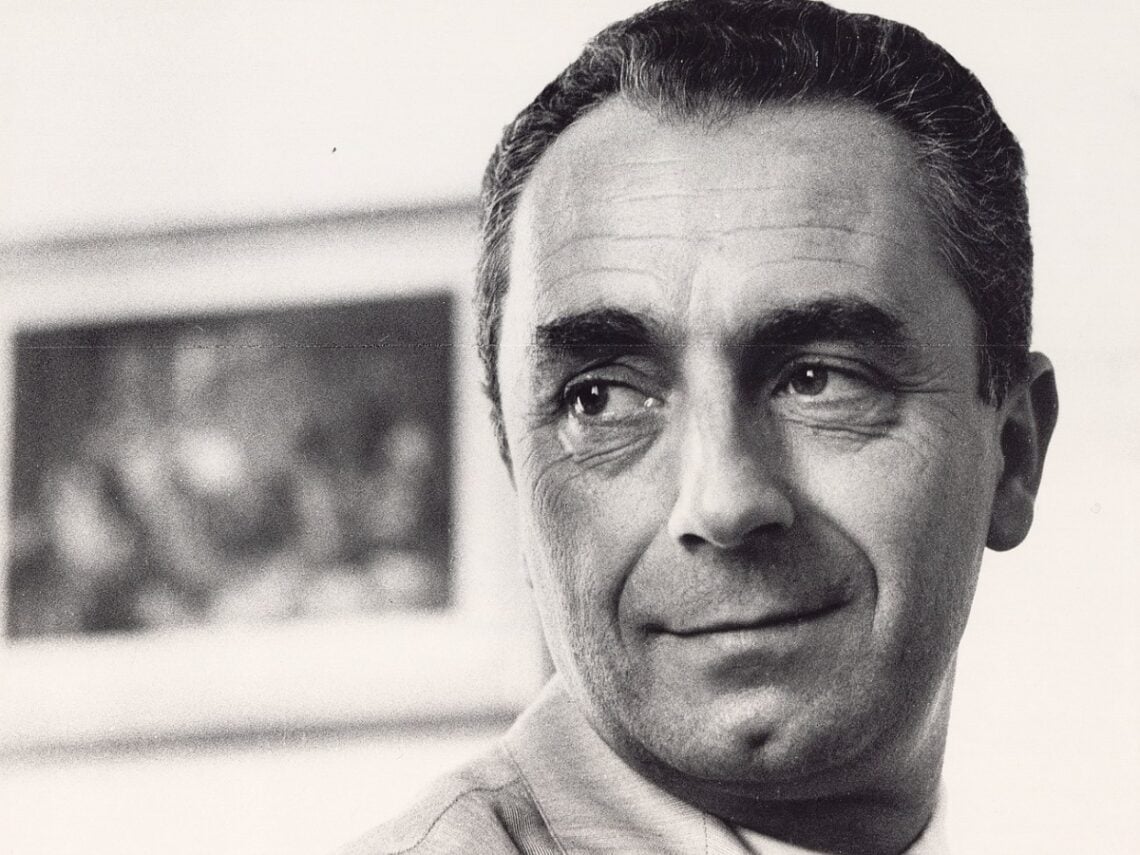
While all filmmakers need to have a fundamental understanding of the visual language to create narrative momentum, very few are able to master it like Michelangelo Antonioni. Once called an “aesthete” by Ingmar Bergman, Antonioni’s preoccupation with the interaction between a film’s aesthetic frameworks and character psychology led to the development of a unique form of cinematic expression that continues to inspire younger generations of artists.
Known for his masterpieces like L’Avventura and Blowup, Antonioni deviated from the rigid principles established by the neorealist movement in Italy and focused on a different visual style which was later called “interior neorealism”. However, when he started out as a young filmmaker, most of his projects were rooted in neorealist thought. They exhibited sociological concerns while exploring the conventions of the documentary genre.
One of the first shorts he ever directed was a film called People of the Po Valley, featuring the destitute conditions of the fishermen living in the Po Valley who were crushed by poverty. Although it’s a typical neorealist documentary in most ways, the composition of the shots of architecture and landscapes makes it stand out. Even back then, it was evident that Antonioni naturally understood the medium’s immense visual power.
During an interview (via Scraps from the Loft), Antonioni explained why he eventually grew tired of neorealism: “The basic divergence was in substance, in what was being filmed—and this had been determined by the insecurity of our lives. A particular type of film emerged from World War Two, with the Italian neorealist school. It was perfectly right for its time, which was as exceptional as the reality around us. Our major interest focused on that and on how we could relate to it. Later, when the situation normalised and post-war life returned to what it had been in peacetime, it became important to see the intimate, interior consequences of all that had happened.”
When asked about his brand of “interior neorealism”, the director added: “The aim was to put the camera inside the characters—not outside. The Bicycle Thief was a great film in which the camera remained always outside the characters. Neorealism also taught us to follow the characters with the camera, allowing each shot its own real interior time. Well, I became tired of all this; I could no longer stand real time. In order to function, a shot must show only what is useful.”
Antonioni demonstrated signs of departure from neorealist traditions in his very first feature, Story of a Love Affair, and he never looked back. That’s exactly why his early shorts represent an important part of his illustrious career, containing the crucial conflicts of an artist who was constantly learning how to look at the world around him in new ways.
Watch the film below.
