


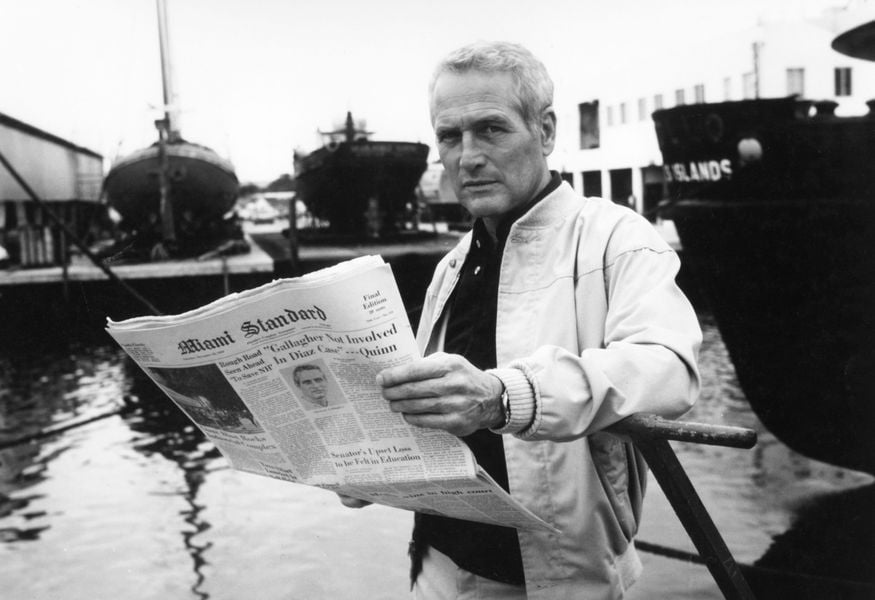
Paul Newman’s uncomfortable meeting with Jimmy Carter: “All the president wanted to know was one thing”

Aside from being a world-famous movie star, Paul Newman spent a large portion of his time and money on philanthropy and political activism. He opened a network of summer camps for children with life-threatening illnesses that has expanded around the world, worked on clean water initiatives and land preservation, and, most famously, created Newman’s Own, a food brand that donates all of its profits to the Newman’s Own Foundation, which distributes the funds to children’s charities.
It’s no surprise that the actor was a fan of America’s 39th president, Jimmy Carter, whose single term in office was clouded with international crises that obscured the great strides he was making domestically. Carter’s legacy grew in later life as he dedicated his time to the promotion of international human rights. He even won a Nobel Peace Prize for his post-presidential work in 2002.
Newman and Carter were aligned when it came to activism and philanthropy, and the actor was one of Carter’s most passionate proponents during his 1976 campaign. During the early part of the president’s time in office, around the time his movie Slap Shot was released, Newman was appointed one of the US’s representatives to the United Nation’s disarmament conference. In his memoir, the actor detailed an impromptu meeting he had with the president and how it failed to live up to his expectations.
He was visiting the White House to see some of his acquaintances from the National Security Council (as one does) and bumped into the president in the hallway. “Why don’t you come up with me to the Oval Office?” Newman remembered Carter asking him. He agreed, hoping to ask the president about why he’d decided against addressing the UN on the disarmament issue, but Carter apparently had other things on his mind.
“I followed him upstairs and, let me tell you, what transpired was pretty uncomfortable,” Newman wrote. He confronted the president on the matter, but recalled, “Each time I raised the subject, all the president wanted to know was one thing: How movies were made.”
Now, for anyone who isn’t a famous movie star, this isn’t particularly surprising. President Carter probably spent 98% of his time discussing either policy or his schedule, and the other 2% on how his schedule might have a bearing on policy. To meet with one of the biggest celebrities in the world in the comfort of his own home was probably about as thrilling to the leader of the free world as it would be for the rest of us. It’s kind of charming that the president was so starstruck. But for Newman, it was yet further evidence that fame was toxic.
The encounter didn’t seem to lower the actor’s opinion of Carter. On the contrary, it was simply an illustration of how greatly he despised being in the spotlight. Being photographed everywhere he went and being treated like a piece of public property whenever he stepped outside or tried to have a quiet dinner with his family was a part of his life that he found deeply uncomfortable, and the fact that one of the most powerful people on planet Earth was swayed by that movie star aura left him permanently jaded.
