


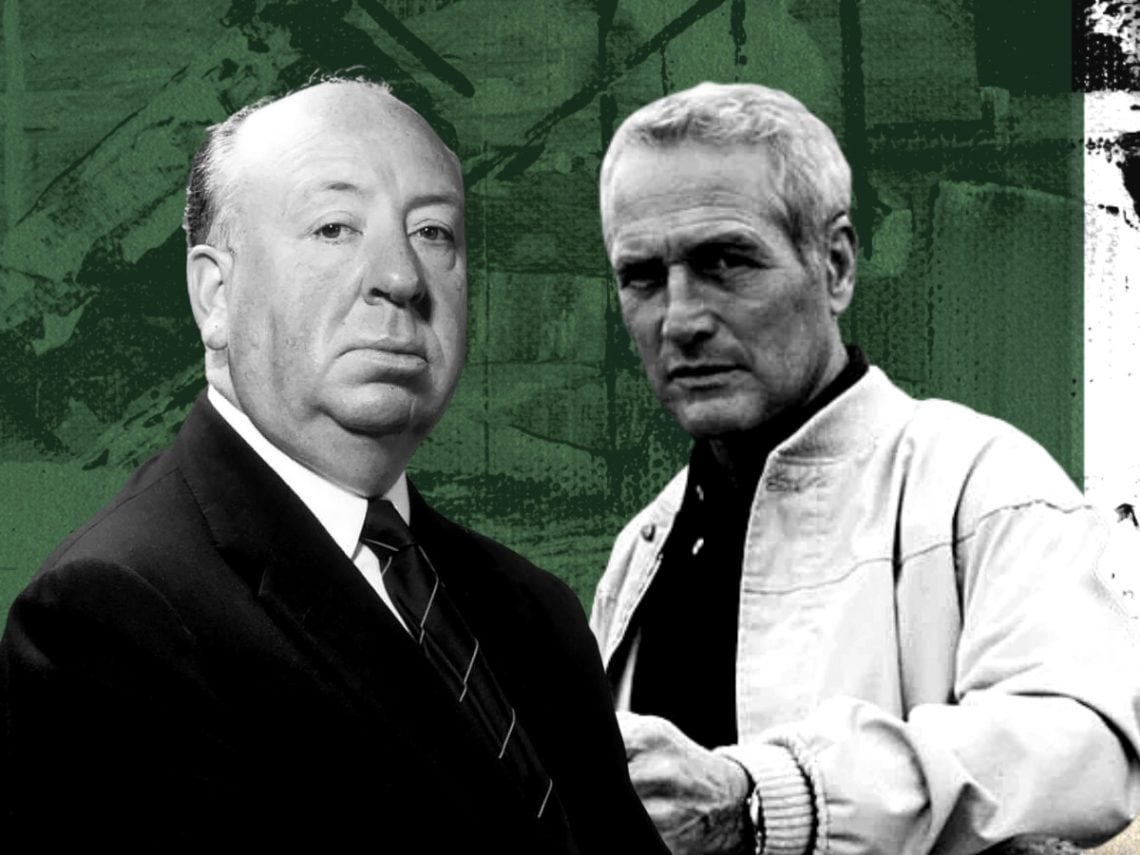
Revisiting the time Paul Newman clashed with Alfred Hitchcock

Over the course of his trailblazing career, Alfred Hitchcock worked with some of the biggest names in the film industry. Ranging from Cary Grant and Ingrid Bergman to James Stewart and Grace Kelly, some of the biggest talents in Hollywood wanted to collaborate with Hitchcock even though the director wasn’t very fond of actors.
He once famously said: “Fundamentally, actors are a race apart. This group is divided into two sections: first, those who have talent and have never received any recognition for it, and second, those who have received recognition without having any talent. Either way, they’re cattle.”
Hitchcock didn’t have much patience for the interference of actors in his method. However, that’s exactly what happened when Paul Newman joined Hitchcock’s 1966 project, Torn Curtain. Set during the Cold War, Torn Curtain stars Newman as an American physicist who pretends to defect to East Germany in order to gain access to confidential research secrets.
Newman’s method acting process might have helped him in other productions, but it ended up angering Hitchcock. The director didn’t have time for Newman’s constant questioning about the characters, the plot and personal motivation, which led to them clashing on set.
Right from the beginning, Hitchcock was unsure about the casting of Newman and Julie Andrews in the leading roles. He felt that their massive $750,000 salaries were too much for a production that had a budget of $5 million. Although Hitchcock had other casting preferences, studio executive Lew Wasserman insisted on Newman and Andrews.
On one occasion, Newman questioned Hitchcock about the motivation of his character, and the director quipped that the “motivation is your salary”. Additionally, the director was disillusioned with the project and unhappy because of the lack of chemistry between his two stars which is why he told them to “say anything you like” during the shoot.
Despite the experience, Andrews showered praise upon Hitchcock in a conversation with Vanity Fair: “He loved to lead you into suddenly being surprised about something or shocked about something or laughing with relief from tension. He was slightly manipulative of audiences in that way, but it was certainly a masterclass. He knew exactly what he wanted.”
