


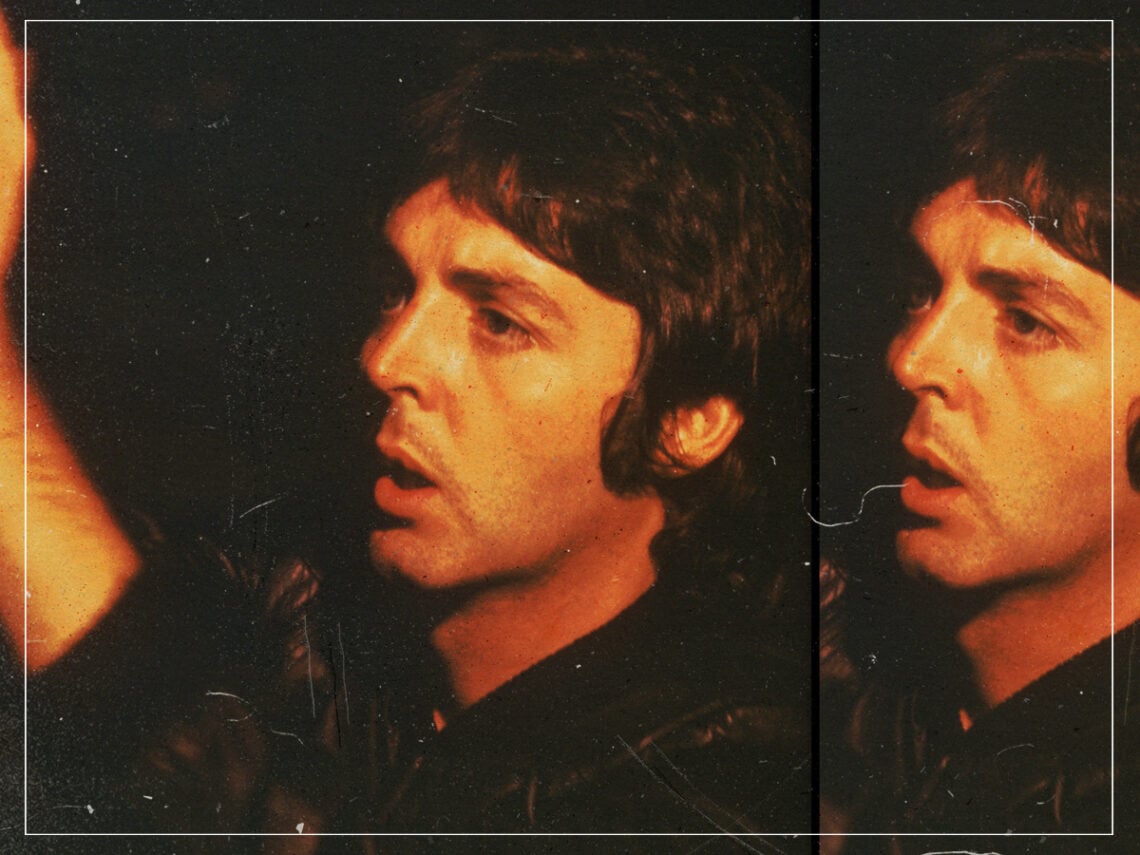
Paul McCartney on the laziest era of his career: “I was depressed”

No one would ever call Paul McCartney lazy. During his time with the Beatles, he was one of the most prolific songwriters in history, building up a catalogue of over 200 songs alongside his bandmates in only seven years. Even today, at over 80 years of age, he’s still busy touring around the world, giving his all to his work. But in the artist’s own eyes, there was a period where he let things slip.
Laziness is a far more in-depth feeling than people often give it credit for. People perceive laziness as nothing but a bored, sluggish response when they can’t be bothered to do something. It’s seen as a negative trait, the opposite of productivity, and a quality held by people who will never achieve great things.
But before he was even 30, Paul McCartney had already achieved things people could only dream about. Actually, he’d achieved more than that, as the success and scale of fame the Beatles achieved were unlike anything seen before. They unlocked a whole new level of celebrity and pushed musical boundaries, expanding the world of rock and roll into exciting new realms.
They were tireless, too. Despite only being a band for seven years, they released 12 studio albums. This nonstop period was further compressed by life changes and changes in their friendship, resulting in a major falling out of the old friends. So, by the time the 1960s ticked into the 1970s, it’s no wonder that the artist felt sluggish or exhausted. “Laziness crept in,” McCartney said about the start of the 1970s and the start of his solo career. However, his laziness is not the one the world is used to. Instead, it was the kind of laziness that often comes as an emotional response to hard times.
“I was depressed. You would be,” he said about that period. After the break up of the band, he’d spent his whole life so far within; the transition was incredibly hard. Suddenly, he no longer had his collaborators to bounce off, so when he went off to try and make McCartney, doing it entirely on his own and in secret, McCartney’s so-called ‘laziness’ was more a reflection of his upset or of the insecurity that shrouded his first solo attempts.
“There’s a lot of songs in there that are half finished,” he explained, “They were good ideas, but I don’t realise them. I cop out around about the third verse.” With no additional voices to spur him on or give suggestions, he sees these early solo tracks as half-baked as he struggles to adapt to creating without other cooks in the kitchen. He added, “It’s a bit like unfinished paintings and stuff.”
Slowly but surely, though, he broke through as praise came in for his solo work; the cloud of insecurity lifted and liberated him. Moving through the process of making his debut totally solo, then bringing in a band for the joyous record, Ram, and then onto starting Wings, the sense that McCartney was getting his groove and energy back is heard on tape.
But mostly, his laziness was shifted simply by giving himself a break. “I’ve now reached a point where I think, ‘Well listen, kid, you done real good, you’re a good guy. Even at the times you were insecure, you were alright. You were hanging in’”, he said, giving himself a sweet pep talk. “So I ended up giving myself a bit of a break. I am easier on myself than I used to be,” he concluded, which is no doubt exactly when his spark and productivity came back.

Never Miss A Beat
The Far Out Beatles Newsletter
All the latest stories about The Beatles from the independent voice of culture.
Straight to your inbox.