


Capturing a storied legacy: The inexplicable fondness of Paul McCartney’s poignant ‘Egypt Station’ moment

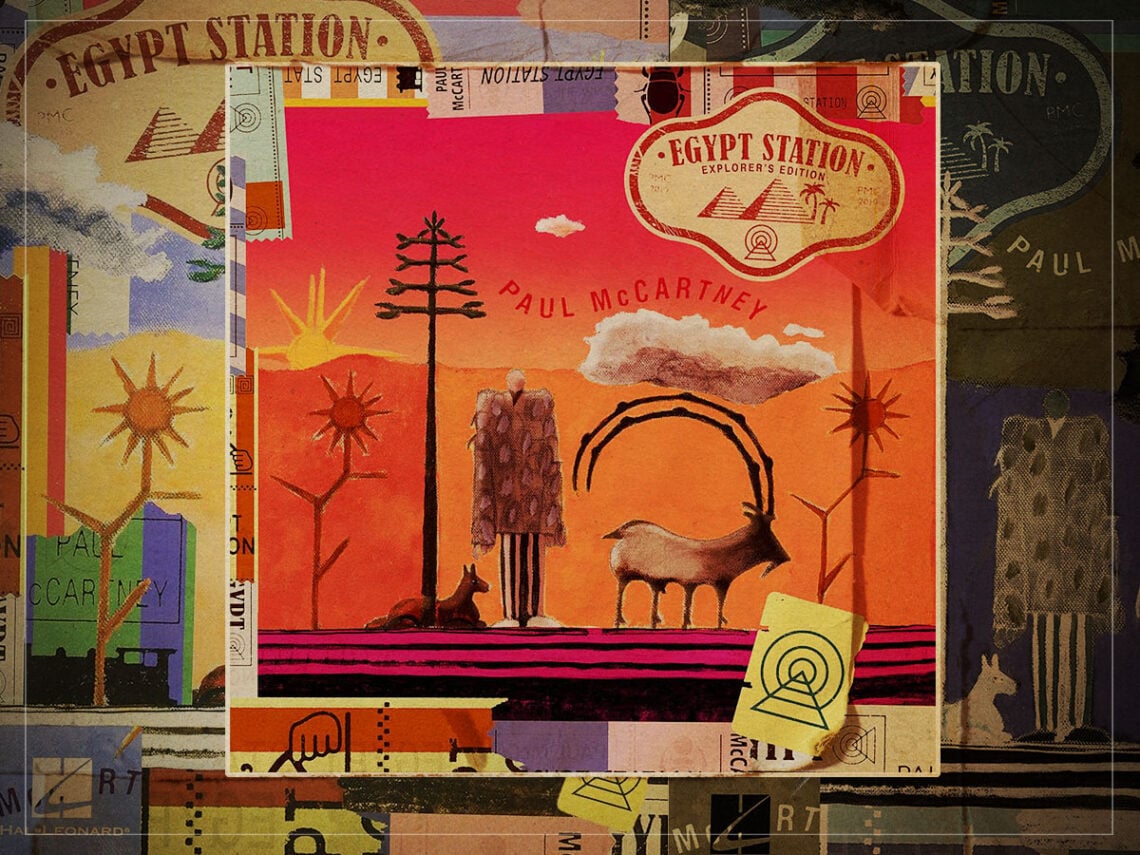
In June 2018, the Instagram page for Paul McCartney was a suspicious void. It’s not uncommon for artists to wipe their social media pages for an upcoming announcement, but something about McCartney’s sudden lack of content felt particularly momentous. Soon came the influx of mysterious snippets of the former Beatle playing different instruments until, on his 76th birthday, he announced Egypt Station.
When discussing McCartney’s broader legacy, there are many understandable reasons why Egypt Station is often overlooked. After all, this is someone who has seemingly lived a thousand lives, many of them condensed into his Beatles years alone. Beyond this strangely underappreciated moment in time, however, there’s a quietness to this entire chapter that carries the immense weight of the past.
This is the kind of poignancy that’s difficult to explain, at least not without hours spent navigating and pinpointing the countless reasons McCartney is one of the most important musical legends. It’s the kind that holds up varying edges; the kind you can feel in the physicality of the iconic bars along the Mathew Street strip in Liverpool, and the kind that lingers beyond the bursts of energy in physical spaces.
Egypt Station was burgeoning before fans even knew it was coming, with McCartney teasing the sweetness of his legacy in the small yet definitive ways that consistently follow him around. Alongside the social media marketing efforts, he hinted at different avenues for physical fan engagement, from covert shows to urging fans to record videos for a chance to attend a secret event in London.
On their own, these events aren’t unusual in today’s digital world, especially when it comes to promoting new material from artists. However, with this record, something beneath the surface hooked loyalists onto McCartney’s longstanding legacy, making for an inexplicably warm quality surrounding Egypt Station. It perhaps felt like maybe, just maybe, this wasn’t just about McCartney anymore. Except, it was.
How did the album come about?
Looking at all the promo activity McCartney did that year, notably the defining moment when he appeared in a special Carpool Karaoke video alongside James Corden, the ground between McCartney’s new material and his broader legacy started to fracture. For whatever reason, many regard McCartney’s later albums as neither here nor there, meaning they exist in a strange place where they’re not classics but not contemporary, either.
However, these subtle messages towards some broader, albeit quieter artistic grandeur made this one seem particularly worthy of listening to, especially considering all the efforts at the time to make people think of The Beatles. The karaoke stint alone was a mass legacy celebration of sorts, with McCartney singing many of the band’s most popular tunes driving around the familiar neighbourhoods of Liverpool, all while gliding through various memories and thoughts, from the making of ‘Let It Be’ to how much better music sounds when singing “in a bog”.
The kicker came when McCartney performed a surprise gig at the city’s Philharmonic Dining Rooms, unsurprisingly covering several Beatles tracks with a debut performance of Egypt Station‘s ‘Come On to Me’. It was the first single that was released the same day the Carpool Karaoke video was uploaded. This was undeniably the most emotionally poignant move of the entire promotional run, inciting the kind of nostalgic ties he intended for the album. In other words, Egypt Station represented a journey; one that was irrevocably intertwined with his story within and without The Beatles.

The record also signalled what McCartney described as a physical manifestation of moving, with each song representing a different station. Within this concept was another Beatles easter egg that the singer pushed to enhance his internal creative process: “I liked the words ‘Egypt Station’,” he said, “It reminded me of the ‘album’ albums we used to make. Egypt Station starts off at the station on the first song, and then each song is like a different station. I think of it as a dream location that the music emanates from.”
During the sessions, McCartney’s brilliance also came through in the tongue-in-cheek ways, as he would hint at his older, “golden” years with Greg Kurstin. According to the producer, ideas he suggested would sometimes fall flat, but with a dismissiveness that was laughed off as a heartfelt joke. “I can’t remember specifically, but I remember him just sort of carrying on, and I’m wondering, ‘Did he hear me?’” he told Rolling Stone.
He continued: “Then maybe half an hour would go by and I’d say, ‘Hey, Paul, what about that idea I mentioned a little while ago?’ He said, ‘Oh, I heard you. I was just pretending to ignore you.’ We’d just laugh about it. Then sometimes two days later, he’d try the idea, and I’d be like, ‘Wow, okay.’ I thought I failed miserably with the idea, but he came back to it and really tried. I think he’s always listening, always absorbing.”
The aloofness made McCartney more endearing and less obnoxious, much like the moment during Carpool Karaoke when Corden grows visibly touched by the realisation of sitting beside the singer, sharing an intimate moment of musical gratitude. McCartney doesn’t have to say much, but his heart is felt, and it connects with his bigger, more obvious importance as a living thread that doesn’t have to do much other than be there, in the moment.
There are many parts of McCartney’s life that no one will ever fully understand. However, whether Egypt Station withstands the test of time is almost beside the point. After all, he’s already become a steady presence touching countless corners of people’s souls with his words and sounds alone. And what he did with this record was acknowledge how much bigger his impact was than words could ever capture, resulting in its absorption into the insatiable hands of The Beatles’ endless legacy.

Never Miss A Beat
The Far Out Beatles Newsletter
All the latest stories about The Beatles from the independent voice of culture.
Straight to your inbox.