


‘The Unfairground’: The overlooked genius of Kevin Ayers’ final message

Music is a young man’s game, as the great Les McQueen once said, and while the pop charts have always been populated by fresh young faces, the masterful efforts of the older generations should never be discounted.
Particularly in the modern age, there is a rather blinkered view that an artist’s early work is always their greatest. Admittedly, a multitude of artists immediately come to mind whose discography quickly trailed off after the first few albums but, on the other hand, there are many more who created some of their greatest works in the later years of their lives: the likes of David Bowie, Scott Walker, Johnny Cash, and Françoise Hardy being just a few of the most notable examples. Another, far too often overlooked, example, however, is Kevin Ayers.
Among the harbingers of Britain’s psychedelic age back in the 1960s, Ayers made a name for himself as a bassist and key driving force for Canterbury’s Soft Machine. However, it was when this force of nature went solo in 1969 that the extent of his songwriting prowess and penchant for crafting mind-expanding masterpieces really rose to the forefront. The four albums he recorded for Harvest between 1969 and 1973 remain some of the greatest psych/progressive albums of that era, even if the musical mainstream never really cottoned onto Ayers’ revolutionary power.
Ayers himself was never particularly concerned with the wants and desires of the musical mainstream. Almost every time the songwriter started to gain some commercial traction, he would exile himself to sit in the sunshine for a few years, only returning to the UK once the hype surrounding his work had completely died down. During the late 1970s, for instance, he ran off to Spain and, although he kept putting out music sporadically throughout the 1980s, he had become something of an obscure figure.
By the time the new millennium came around, an ageing Ayers was basking in the sunshine of the South of France, with his days of revolutionary musical expression long behind him, save for a few compilation albums and reissues here and there. That could easily have been the end of his story, and he would have left behind a litany of incredible, if largely underappreciated, records. However, that legacy changed in the mid-2000s, when Ayers began working on what would become his stunning final album, The Unfairground.
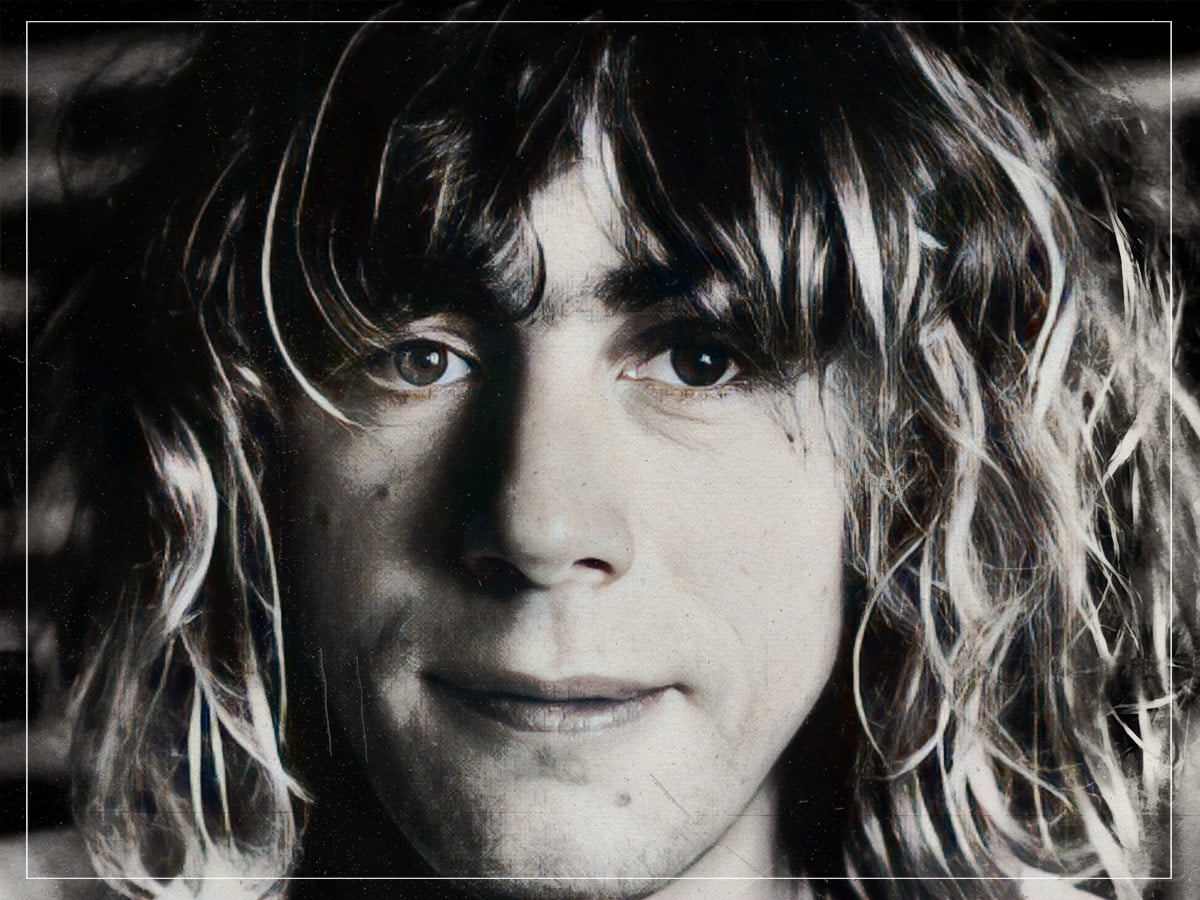
An album drenched in the lived experience of the then-63-year-old songwriter, he himself called the record “very much a reflective album: lost love, lost feelings, lost sensibilities”, during an interview with The Sunday Times around the time of the album’s 2007 release. Without a doubt, the album is Ayers’ most expansive and sonically diverse, seeming to collate the experiences of all those spent in self-imposed exile away from his cult musical exploits.
Part of the album’s expansive sound is down to the various collaborators recruited for the project. Ayers’ work might never have troubled the pop charts, but it made him a hero for multiple generations of songwriters, including the likes of Neutral Milk Hotel’s Julian Koster as well as Norman Blake of Teenage Fanclub, both of whom appeared on The Unfairground. Inevitably, those influences drove the 2007 firmly into the future of music, but the musician was keen to reflect upon his past, too.
Not only did the album feature Ayers’ old Soft Machine bandmate Robert Wyatt, but a major highlight of the record came on ‘Baby Come Home’, recorded alongside Bridget St John. A key figure in the British folk scene of the late 1960s, with the kind of ethereal voice which never goes out of style, St John featured on Ayers’ second solo album, Shooting at the Moon, back in 1970. Their reunification in 2007 reflected the wider atmosphere of the album, and how it perfectly blended the timeless genius of those early records with the inventive, contemporary sounds of The Unfairground.
Much like those early records, The Unfairground wasn’t a huge commercial hit, although it did manage to reach number 14 on the Independent Album Chart. Still, the album cannot be measured by sales statistics; it represents something far more important than that. With The Unfairground, Ayers cemented his legacy as a true musical innovator who always did things unapologetically, his own way, and never sacrificed quality for a quick cash-grab.
