


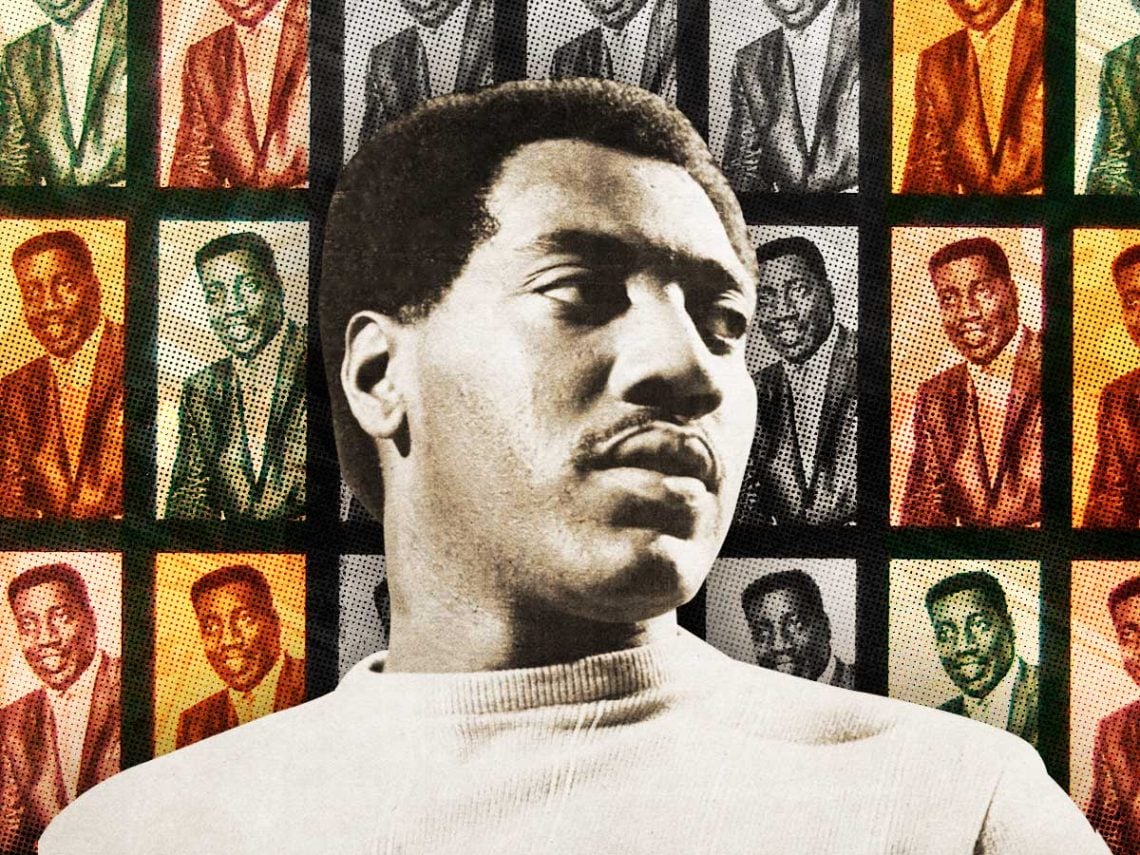
How Otis Redding’s final 24 hours solidified his legacy

Otis Redding was ready for something new. Having established himself as the premiere R&B and soul singer in America, Redding had conquered the first stage of his career. He already had six studio albums to his name, including one duet LP with Carla Thomas, and had burst into the mainstream thanks to his performance at the Monterey Pop Festival. Aretha Franklin had already taken his song ‘Respect’ to number one. 1967 was a great year for Otis Redding, and 1968 was bound to be even greater.
There were just some loose ends that needed to be tied up before the end of the year. The musician had a few scheduled gigs left to do, and in between, Redding was busy recording a brand-new song. Featuring a relaxed tempo and an atypical melody, Redding believed this new work would be his biggest song yet, one that would give him a number one hit of his own. He would turn out to be right, even if he never got to see it himself.
Redding left the song mostly complete. He insisted to producer and songwriter Steve Cropper that he would overdub the whistle at the end of the tune and even kicked around the idea of having The Staple Singers record backing vocals. That would have to wait, though, as Redding had a plane to catch.
Two days after putting the final touches on ‘(Sittin’ on) The Dock of the Bay’, Redding was in Cleveland’s WEWS television studio performing for the local programme Upbeat. He busted out his original version of ‘Respect’ and played his showstopping concert closer ‘Try a Little Tenderness’, along with performing a duet of the song ‘Knock on Wood’ with Detroit Wheels lead singer Mitch Ryder. As he always did, Redding left it all on the stage that day.
After finishing out their stand with a few club gigs, Redding and his backing band, The Bar-Kays, boarded Redding’s Beechcraft aeroplane and took off for Madison, Wisconsin. Poor weather conditions made piloting the plane difficult, but the band couldn’t delay their flight: they had a gig to play that night. The plane was just four miles from its destination when it went down over Lake Monona.
Redding and four members of The Bar-Kays, along with the pilot and the group’s valet, were killed in the accident. Redding’s appearance on Upbeat became his final filmed performance, one that showed the vitality and skill that flowed through the 26-year-old singer. It wasn’t meant to be, but now, that performance acts as a testament and final example of just how incredible Otis Redding was.
Watch some of Otis Redding’s final performance just hours before his death down below.
