


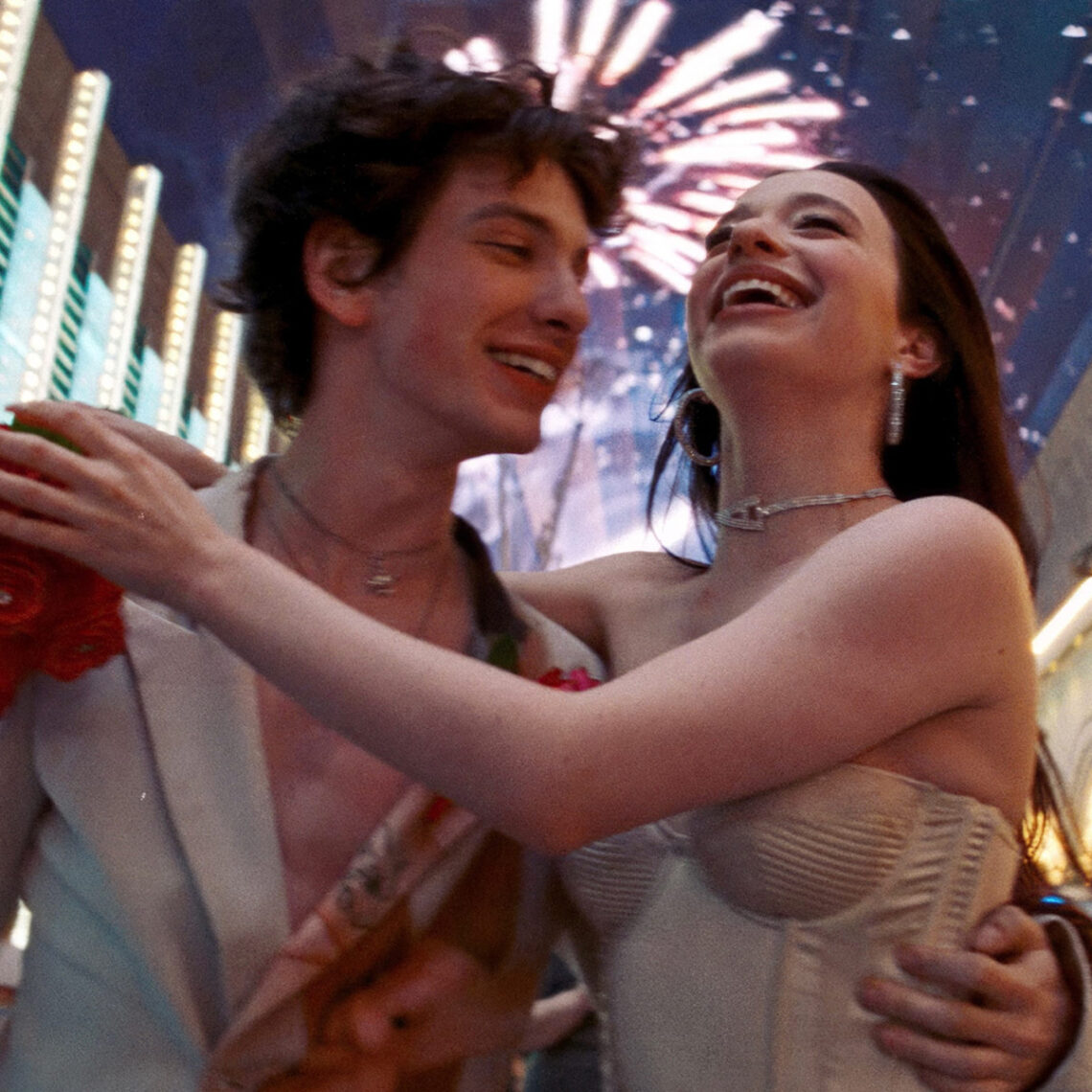
Oscars 2025: ‘Anora’ wins ‘Best Picture’

Anora has won the Oscar for ‘Best Picture’, beating nine other films, including Edward Berger’s Conclave, Brady Corbet’s The Brutalist, and Coralie Fargeat’s The Substance. The award goes to writer/director Sean Baker, his producer and partner Samantha Quan, and his long-time producing partner Alex Coco.
The film tells the story of an exotic dancer from Brooklyn named Anora (‘Best Actress’ winner Mikey Madison) who marries the 21-year-old son of a Russian oligarch in a whirlwind romance. Their marriage is brought to a swift reckoning when his parents seek to have it annulled with the help of three of their henchmen.
Anora premiered at Cannes last year to rave reviews but has only recently picked up major steam in the awards race. Madison won ‘Best Actress’ at the Bafta awards, unseating Demi Moore’s nearly perfect run, while Baker enjoyed a standout run of wins from the Directors Guild of America and the Writers Guild of America, both of which are key precursors for Oscars.
In their victory speech, the filmmakers said: “We made this movie for $6million. Please keep making independent films—we need them. This is proof…I don’t know how this can be real life. We made this with very little money but all of our hearts. Tell the story you want to tell.”
Baker highlighted the importance of promoting indie movies by citing Anora’s success, claiming that this should be the trajectory for future filmmakers: “I want to thank the Academy for recognising a truly independent film.”
The win marks the second consecutive year in which the director of the ‘Best Picture’ winner shares the award with his wife. Baker and his wife Samantha Quan accepted the award a year after Christopher Nolan and his wife and producer Emma Thomas scooped up the top prize for Oppenheimer. It is also the first 18 certificate film to win the award since The Departed in 2007.
In Far Out’s review of Anora, Emily Ruuskanen described the film as “a shattering odyssey of love in a modern world, a film that feels more urgent than his others in the way he chooses to end it, exposing a society that has been corrupted by materialism and our misogynistic dating standards. There is no dream sequence or faint optimism, just a woman who has been punished for being briefly hopeful for a fairy-tale ending, longing for stability and a human love story in a heartless world.”

Never Miss A Scene
The Far Out Film Newsletter
All the latest film news from the independent voice of culture.
Straight to your inbox.