


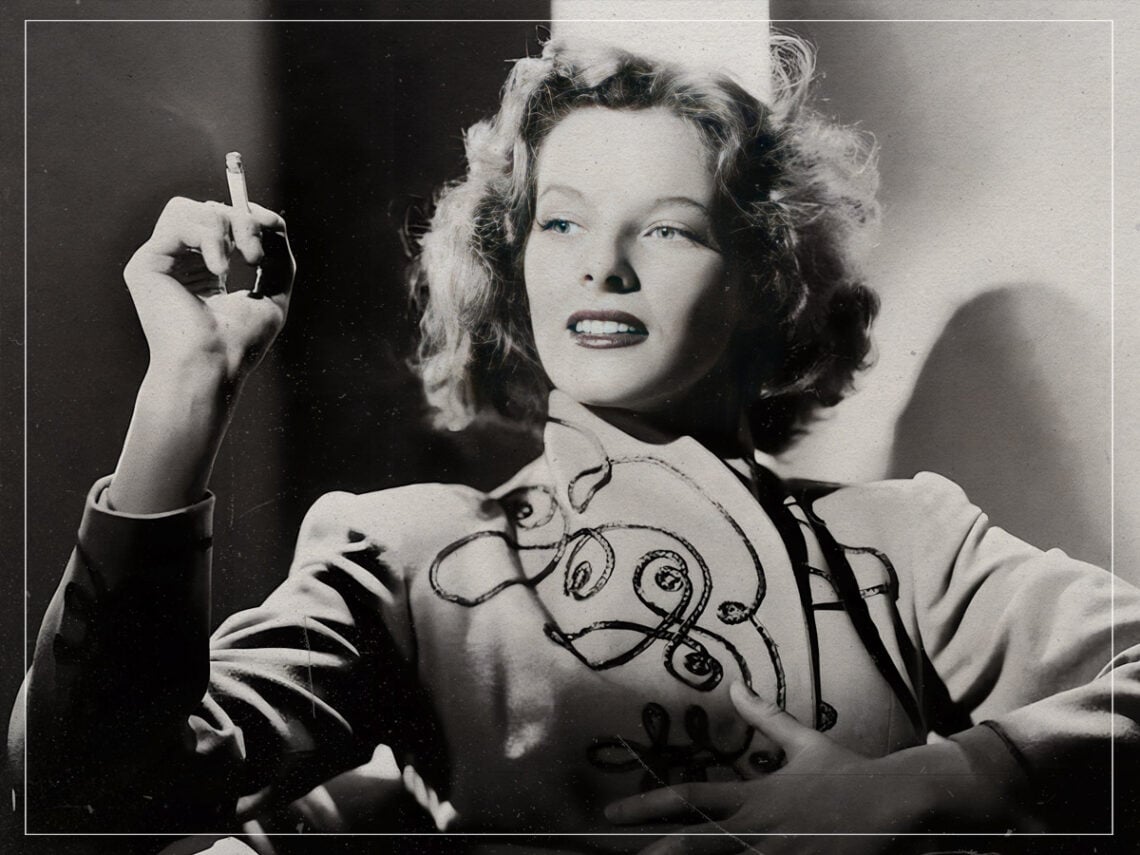
The troubling relationship between Elia Kazan and Katharine Hepburn: “If I had protected my own dignity, I would have quit”

Katharine Hepburn was the kind of actor and public figure who embodied the word ‘formidable’ for her entire career. She didn’t suffer fools gladly and rarely went out of her way to make people comfortable. In fact, she delighted in making people deeply uncomfortable. In a town and era dominated by men, she made sure to assert her independence from the beginning, and she never relinquished her grip on it in her professional life.
For the most part, Hepburn’s reputation for being single-minded and occasionally demanding was overshadowed by her reputation as an actor. She remains the only person to have won four competitive acting Oscars and is widely regarded as one of the greatest actors of all time. Her career spanned the early 1930s to the 1990s, and her Oscars were spread across nearly five decades, beginning in 1933 for her performance in Morning Glory and concluding in 1981 with her performance in On Golden Pond.
She built several strong working relationships throughout her career, most notably with George Cukor, who directed her in five movies, including the classic romantic comedy The Philadelphia Story and two of her collaborations with Spencer Tracy – Adam’s Rib and Pat and Mike. There was, however, at least one director who struggled mightily with her. Elia Kazan, the man who practically invented Marlon Brando, nearly collapsed under the strain of his collaboration with the Bringing Up Baby star.
In 1947, they teamed up for the western drama The Sea of Grass, which co-starred Tracy. It was Kazan’s second feature film after the success of his directorial debut A Tree Grows in Brooklyn. He was still in his thirties and a long way from A Streetcar Named Desire, On the Waterfront, and East of Eden. As a result, the studio and his stars saw him as a pushover.
His first great disappointment was that the studio wouldn’t let him shoot the film on location. As its title suggests, The Sea of Grass is all about the vast expanse of New Mexico, but MGM informed him that it would all be shot on a soundstage in Hollywood. Unlike John Ford and John Huston, who were renowned for taking their productions to the rugged wildernesses that their films depicted, Kazan was stuck with a rear projection of grass that looked exactly like it was filmed indoors.
Another issue was the dynamic between Hepburn and Tracy, who were partners in real life. He was working through his alcohol dependence, and she was working overtime to compensate. Tracy, then in his late forties, did not take kindly to the young director’s attempts to turn him into a Method actor, and Hepburn took it upon herself to mediate.
“If I had been knowledgeable, strong, confident, if I had protected my own dignity, I would have quit,” Kazan said years later. “But somehow, I was trained not to stop, to find the best solution possible.” The best solution possible turned out to be a very bad movie. Strangely enough, it also turned out to be Hepburn and Tracy’s most commercially successful collaboration, even though it hasn’t proved to be an enduring classic by any stretch of the imagination.
