


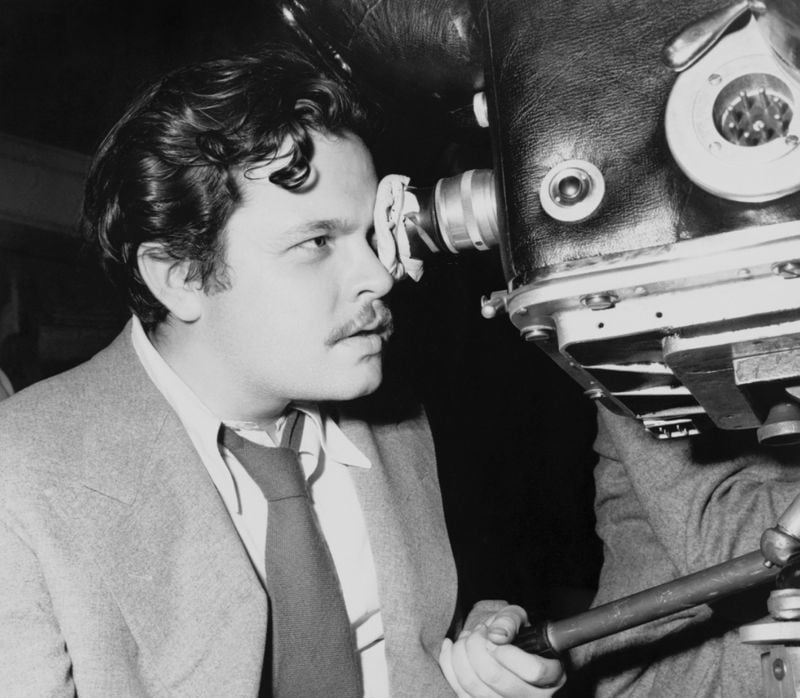
Orson Welles’ biggest warning to young filmmakers

Orson Welles remains a true titan of the narrative arts. His work in radio, theatre and cinema has immortalised the Wisconsin-born director and screenwriter in the rich tapestry of cinema. Welles’ 1941 movie Citizen Kane, in which he starred and directed, has long been considered the single best feature film of all time.
Given the fact that Welles’ artistic excellence is recognised worldwide, it’s fair to say that we ought to trust the cinema icon when it comes to his opinions on the kind of films we should watch and, more importantly, on how many films we should sit through.
In 1982, Welles appeared as a speaker before a group of French film school students and stressed the importance of not watching too many movies, as young directors will always be influenced by what they see. More important than a wide range of knowledge of cinema is to have belief in one’s own artistic vision.
“You will make the eye-cinema-photographic of those people who made the movies that you went to see,” Welles said. Indeed, it’s hard to argue that our favourite works of art inform our own creations, whether that be in the realms of music, film or writing. It’s essential to have respect for other artists, but it’s equally important to have respect for ourselves.
Welles continued: “The more virgin our eyes are, the more we have to say. The most detestable habit in all modern cinema is the homage. I don’t want to see another goddamn homage in anybody’s movie. There are enough of them that are unconscious.”
The director then went on to arguably foresee the rise of streaming services like Netflix, through which we have a constant stream of films to watch. “Now, of course, you must see films, and you must see great films,” he said. “[But] don’t be marinated, don’t soak yourself in film. Now, the argument against what I’m saying is that the world is full, all of the best young directors are soaked in films, and they have managed to rise above that and be remarkable cineastes.”
Following this comment, Welles conceded that the audience sat before a speaker who was “not only paradoxical but confused,” drawing laughs from the crowd. However, despite the paradoxical nature of his speech, Welles was utterly correct in the fact that we ought to respect our eyes and minds and leave room for proper inherent creativity.
Sadly, this has not proven to be the case. That’s not to say that we should not admire the cinephile and homage-loving directors like Quentin Tarantino, but that we should consider the effect that watching too many films has on us as an audience and as prospective creators in our own ways.
