


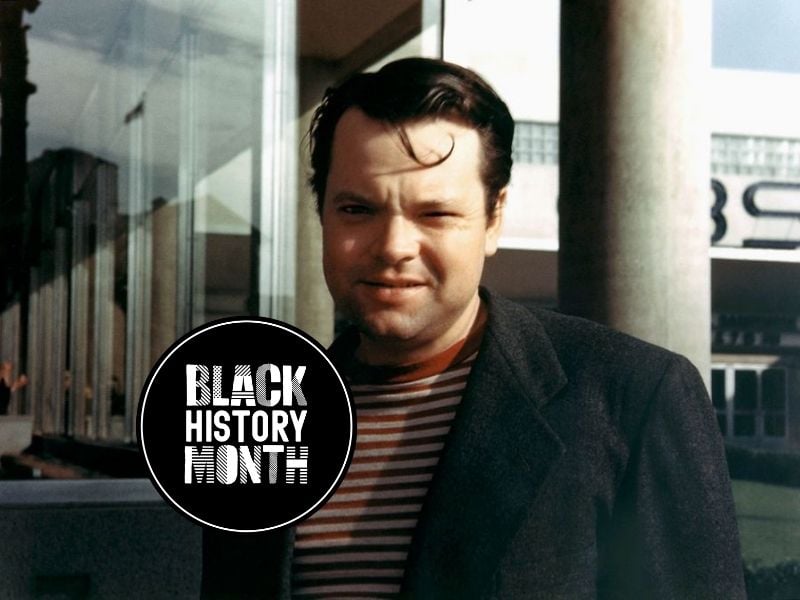
When Orson Welles protested against police brutality in America

The conversation surrounding civil rights has remained relevant in the 21st century, with police brutality being one of the major subjects of discussion. After the horrific murder of George Floyd, these conversations gained much-needed political momentum which resulted in the outpouring of global support for the Black Lives Matter movement.
While the protests were used to bring attention to the other marginalised victims of police brutality, there seems to be no end in sight for the endless violence against minority groups at the hands of the authorities. The most recent example of this happened earlier this month when 22-year-old Amir Locke was murdered by Minneapolis police in his own bed during an absurd “no-knock” investigation.
It is a tragedy that such actions are being defended by many conservatives and are being legitimised by the state despite all the awareness and the political mobilisation against systemic racism. Police brutality against the Black community is one of the major reasons why many Americans have called for the demilitarisation of police forces in the country.
One such incident which became an important part of the fight for civil rights in America was the senseless brutality against a Black World War Two veteran named Isaac Woodard. In 1946, Woodard was riding a bus to meet his family in North Carolina but the bus driver had a grudge against him and actually reported him to the local police.
That was enough for Chief Lynwood Shull and his colleagues who forced Woodard into an alley and assaulted him with nightsticks. He was falsely arrested on disorderly conduct charges and beaten throughout the night in jail, with his eyes being “gouged out” by the police. These attacks left him blinded and even caused partial amnesia.
These horrible attacks and the abuse of power by the police forces caused national outrage, with Orson Welles dedicating multiple segments on his broadcasts to the horrific crimes committed against Woodard. He even made a video talking about police brutality as a part of his Sketchbook series. The NAACP claimed that “these broadcasts did more than anything else to prompt the Justice Department to act on the case.”
Watch Orson Welles discuss police brutality below.
