


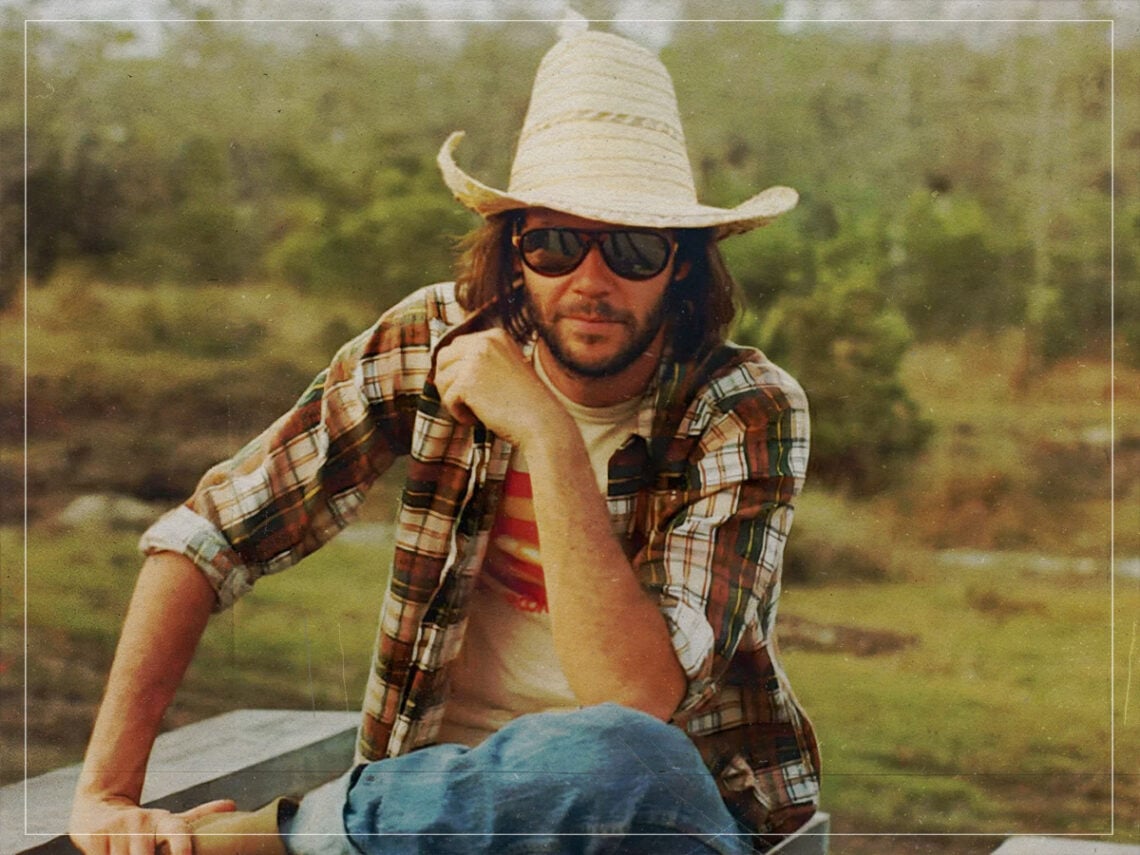
“It’s better to burn out”: the origin story of Neil Young’s controversial 1979 lyric

In the midst of lyrical angst back in 1979, Neil Young wound up spitting one of the most contentious lines he’d ever conjure.
No one who orbited the Woodstock generation was cutting such vital music as Young a decade or so after the peace and love era. While many of his countercultural peers had lapsed into stodgy soft rock, embraced the corporate music bigwigs, and swapped LSD for cocaine, Young was cutting the raw ‘Ditch Trilogy’ records long after his Crosby, Stills & Nash supergroup mates were already struggling to match Déjà Vu’s high point. A fiercer artistic antenna ensured Young was swerving past the 1970s’ rock obliviousness to the insurrectionist fires being lit from beneath.
Punk was never gonna spook Young; in fact, he soaked up all its belligerence to record his final gem of the 1970s. Much of the material had been floating around since Zuma, but Young and the Crazy Horse band joined forces once again to unleash a rawer racket of distorted guitar attack, eagerly bottling punk rock’s abrasive snarl on 1979’s Rust Never Sleeps.
He shared their distaste for the state of music. In the likes of the Sex Pistols or the Ramones, Young could spot the same spirit that charged the British invasion or initial West Coast explosion before its legacy became tainted by yacht rock and limousines, possessed with an urgency he knew most bands his age were in sore need of.
“Burning up means you’re cruising through the elements so fucking fast that you’re actually burning, and your circuits, instead of corroding, are fucking disintegrating,” Young told SPIN in 1988 with gusto. “You’re going so fast you’re actually fucking the elements, becoming one with the elements, turning to gas. That’s why it’s better to burn out.”
Such a sentiment would trigger some misunderstood lambast. A key line to the acoustic and hard rock ‘My My, Hey Hey (Out of the Blue)’ and ‘Hey Hey, My My (Into the Black)’ bookends to Rust Never Sleeps, “It’s better to burn out than fade away” was initially inspired by a lyric from Ducks side-project member Jeff Blackburn, but it was Devo’s Mark Mothersbaugh that suggested the “Rust never sleeps” addition after recalling a Rust-Oleum advert tagline from his graphic arts days.
It was the perfect poetic vehicle to express Young’s perennial need to keep his creative intuitions sharp and to avoid the stale dead ends of complacency. Yet, some interpreted such a line as a problematic romanticism of rock and roll death, as had befallen the likes of Jim Morrison or Marc Bolan.

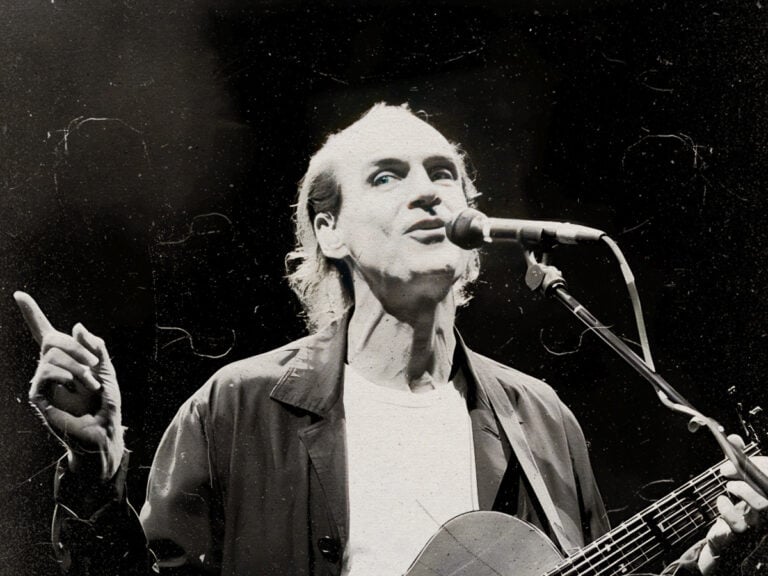
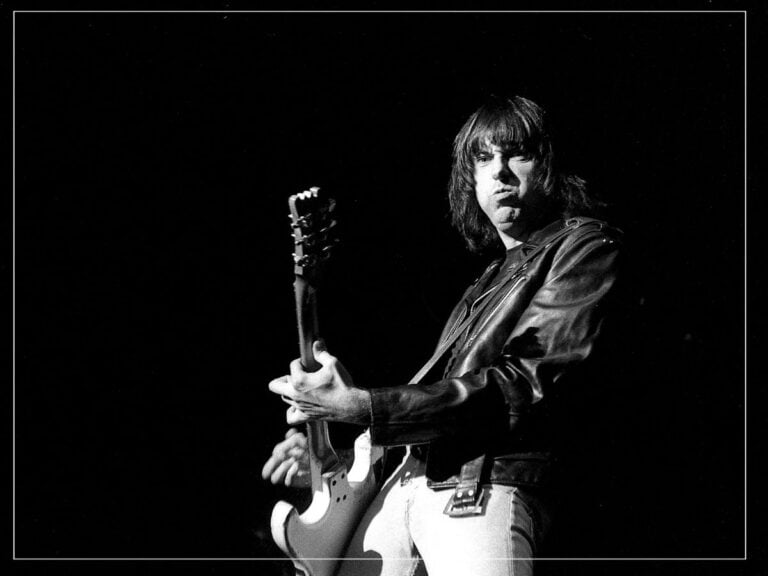
“I hate it,” John Lennon told Playboy the following year. “It’s better to fade away like an old soldier than to burn out.
Infamously, Kurt Cobain would include the lyric in his suicide note, “It’s better to burn out than fade away”, becoming popularised for the grunge generation and prompting Young to nearly vow never to play either of the songs again until the Nirvana members convinced him otherwise. Ever since, the original message warding off one’s own stagnation has been lost to a persistently false celebration of ‘live fast die young’, James Dean style crashing out at the peaks of your youth.
Far from it, Young would carry his own “burn out” ethos into the 1980s, inspiring the erratic but creatively rewarding genre haphazardy he pursued to keep the rust at bay.
