


The only four movies Cary Grant refused to acknowledge he’d made

When Cary Grant first began working in Hollywood in the 1930s, he mainly plied his trade in dramas, crime movies, and sugary romances. However, by the time the decade’s end had rolled around, he was firmly established as the handsome, suave star of screwball romantic comedies such as The Awful Truth and Bringing Up Baby.
As his career gathered steam over the following decade and he solidified himself as one of the biggest stars of the Old Hollywood era, Grant garnered a reputation as a fairly risk-averse actor. In essence, he knew what audiences wanted from him, and he was only too happy to give it to them. This is why, when critics look back on Grant’s filmography, the few times he departed from his formula stick out like a sore thumb. Indeed, it often seemed like Grant would only subvert his image when he worked with Alfred Hitchcock on pictures like North by Northwest and Notorious. These pictures showed he had some darker colours in his acting arsenal, but they were the exceptions, and not the rule.
When analysing why Grant was so cautious with his stardom, an interesting theory rears its head. It’s possible he had bad memories from some of his early non-romcom efforts, and once he achieved fame, he resolved to rarely make such films again. In fact, according to Scott Eyman’s biography Cary Grant: A Brilliant Disguise, the iconic star kept a personal list of every film he’d ever made. However, four movies were conspicuous by their absence, indicating that he was loath to admit they even existed – and three of them were made in the first six years of his Hollywood career.
The first film on Grant’s shitlist was Devil and the Deep, only the second picture he made in Hollywood. Grant was fourth-billed in the film, a drama about a jealous Naval commander who is so (mistakenly) convinced his wife is having affairs with every man she meets that he has Grant’s Lieutenant transferred off their submarine. Eventually, the commander’s accusations drive his bride into the arms of one of his other men, and tragedy ensues. The movie was fairly well-received at the time, and it features the only time Grant and Gary Cooper appeared in the same film, although they didn’t actually share the screen. Whatever the case, Grant clearly didn’t care for it.
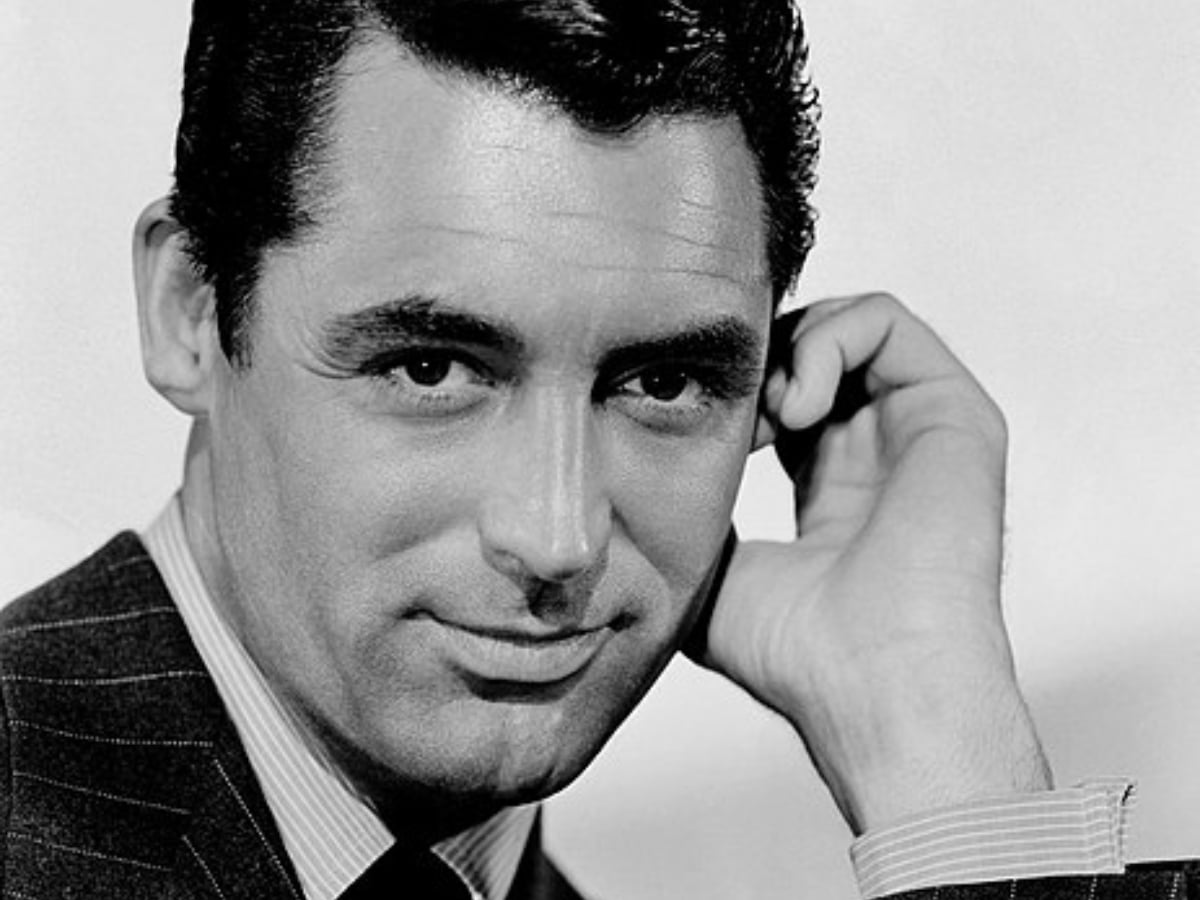
Interestingly, he was probably even less of a fan of 1934’s Born to Be Bad, a film he once dubbed “sheer awfulness”. It cast him as a wealthy businessman named Mal Trevor, who is blackmailed by a single mother after accidentally running her son over with his truck. The boy survives and goes to live with Trevor, but then the mother decides she wants him back, so she seduces Trevor and records their illicit affair. It culminates in a fierce courtroom battle, all within a scant 62-minute runtime.
The third subject of Grant’s ire was 1937’s When You’re in Love, a musical about a listless vagabond named Jimmy Hudson who agrees to marry a classical singer so that she can gain re-entry into America, having become stuck in Mexico thanks to an expired visa. Grant’s Hudson then does everything he can to turn their fake marriage into the real deal, with hilarious results. Well, not so hilarious if you are Grant, who despised the film so much he tried to forget he ever made it.
Finally, the only movie from his later career whose existence Grant chose to deny was 1951’s People Will Talk, which on the surface seems like one of his classic screwball romantic comedies. Unfortunately, in practice, the movie was more of a comedy-drama, with the comedy dialled way down and the drama pushed to the forefront.
It wasn’t an ideal showcase for Grant, which hurt all the more because he had also uncharacteristically tried to push the boat out the year before by starring in a Richard Brooks noir entitled Crisis. The reaction to Crisis was lukewarm, and MGM’s Louis B Mayer had a feeling People Will Talk would suffer a similar fate.
“The picture was a disappointment because it was miscast,” he claimed. “You know that I did everything I could to keep Cary Grant out of the role after [MGM’s] sad experience with Crisis. He is a comedian, and he will always be a comedian, and thus the people who went in to see Cary Grant in People Will Talk were disappointed.”
Ultimately, Grant must have agreed, because that misfire became the fourth film he refused to acknowledge the existence of.
