


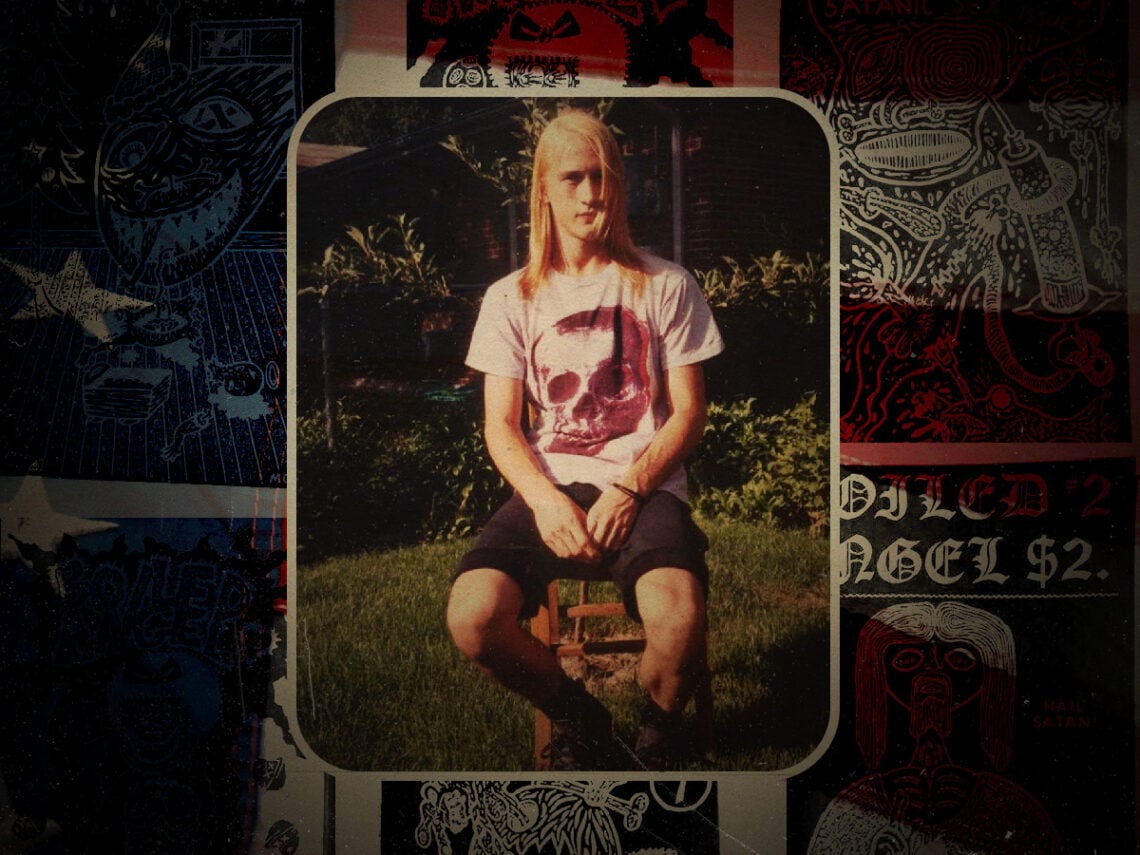
Mike Diana: The only artist America tried for obscenity

In the “Land of the Free”, underground zine and comix artist Mike Diana found himself a unique footnote in US legal history as the only artist fully tried for “artistic obscenity”.
He was always drawn to the darker side of life. Reportedly, an arts club assignment during elementary school saw the young Diana sent to the beach to collect seashells for a collage project, returning instead with rubbish and dead fish washed ashore. Before long, he would grow enamoured with the macabre as he began drawing comics in high school, horror trading cards, Creepy comics, and the litany of B-movie slashers that would inspire his later amateur corn syrup blood flicks in the neighbourhood.
But it was Diana’s illustrations that would garner his cult fame and the state’s long arm of the law. He’d quickly developed a distinct aesthetic by the end of the 1980s in the Florida arts scene, unleashing eye-popping depictions of extreme violence and surrealistic gore across each of the pages of the Angelfuck zine and its Boiled Angel successor. Nothing was off topic for Diana. Exploring taboos and crimes difficult to stomach, everything from child molestation, necrophilia, torture, and bestiality, all sat queasily aside his satirical attacks on the church, authority figures, and America’s political landscape.
Such unsettling material genuinely placed Diana as a suspect in a serial killer investigation. In 1991, Danny Rolling’s murder of five college students, known as the Gainesville student murders, remained unsolved by the Florida authorities. Once copies of Boiled Angel were passed to the FBI, agents tipped up to Diana’s mother’s house and conducted a blood sample, the results naturally ruling out his suspect status. With information sent over to the state’s Pinellas County Sheriff’s Office, the young comic artist’s legal woes had only just begun.
Eight issues into Boiled Angel, and an undercover officer posing as an artist managed to receive a batch of his work sent by the artist himself in 1992. Immediately, Diana was slapped with an obscenity charge, “once for publishing the material, once for distributing it, and once for advertising it.” This was serious. The charges dumped on Diana meant a potential 18-months in prison and financial ruin, but luckily, there was the Comic Book Legal Defence Fund to represent him when trials commenced in March 1994 at Pinellas County Court.
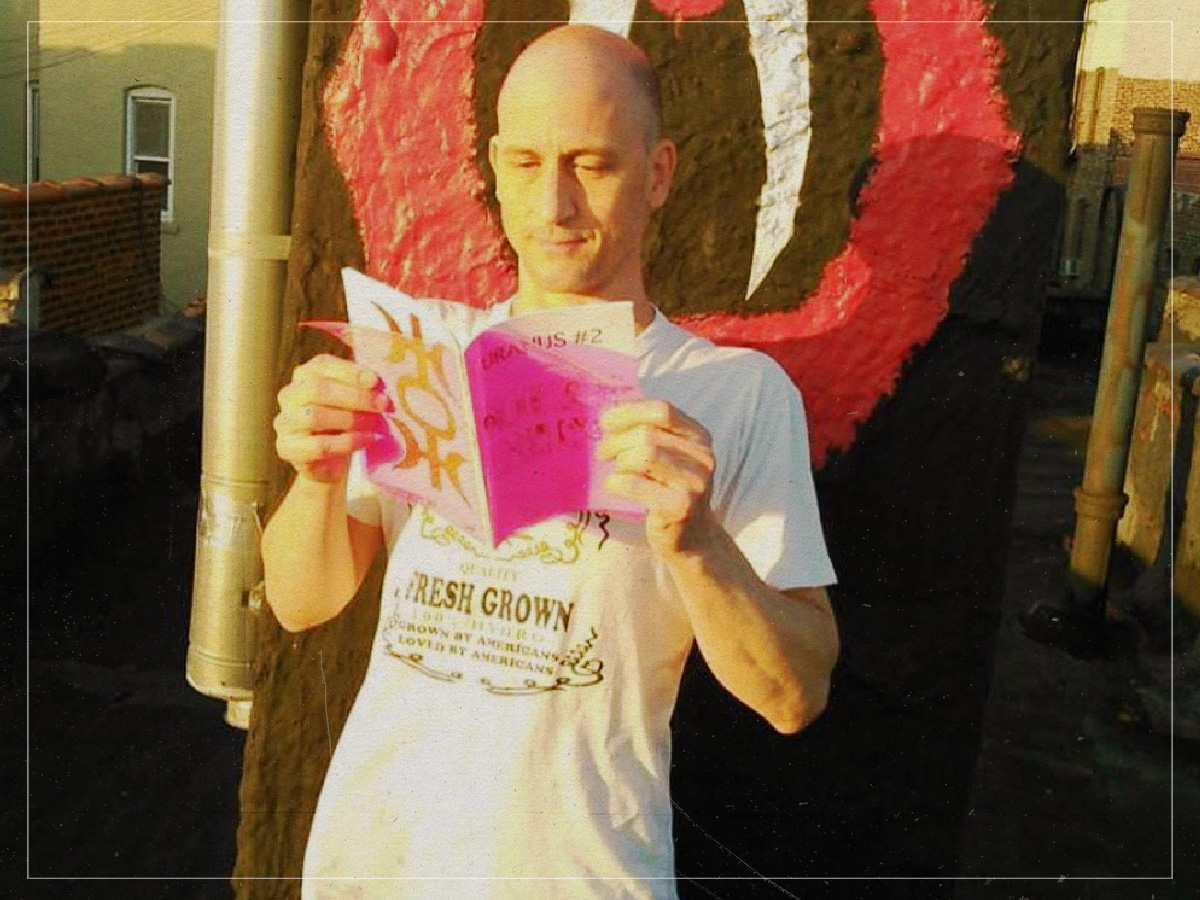
The Assistant State’s Attorney, Stuart Baggish, was ruthless in his efforts to nail Diana. The usual tropes were dragged out in court, arguing that such violent art was a sign of a slippery slope toward eventual sadism and murder, akin to Ted Bundy. The jury was hopelessly stuffed with conservative straights, too. Visibly disgusted by the examples of Boiled Angel presented to them, when asked what their idea of art was, one member reportedly answered, “needlepoint”. Not Diana’s audience. He tried his best, testifying for three hours and bringing up his childhood dead-fish collage as an example of art’s license to explore ugly themes, but a week later, the verdict was clear: guilty.
Despite Baggish’s push for a two-year jail sentence, Diana eventually only spent four days behind bars, sentenced instead to three years of supervised probation, a $3,000 fine, over 1,000 hours of community service, avoiding contact with minors, paying for his own psychiatric evaluation, and taking an ethics journalism class. Most cruel was the demand to cease making any art of any kind, even for personal use, subject to unannounced probation checks to ensure his creative censorship, an order he ignored by working in the early hours and keeping his creations in the trunk of his car.
Florida’s draconian measures placed Diana as the first and only artist in US history to ever face tangible criminal charges for their work, an insult to the First Amendment and American civil liberties. Diana’s work is some of the most nauseating visions ever put to page, a churning mass of violence and sexual depravity, but buried in Boiled Angel’s twisted world is a scabby and discoloured excoriation of the establishment and the brutality baked into America’s founding myths and political machinations, an unveiling that only grows more depressingly pertinent in today’s US social decay.
Legal troubles would still plague Diana for the next several years, moving to New York City and having to carry out his probationary check and community service from the new locale, despite appeals. It wouldn’t be until February 2020 that Diana would finally be cleared of all sentencing measures. He’d later see the funny side, to a degree, as well as the raised profile the notoriety afforded him.
“One of the best things about the trial, though, is that Florida law states that the public have the right to see any material being,” Diana revealed to Vice in 2012. “So anyone who visits the courthouse – even kids and teenagers – can see and flip through Boiled Angel.”
