


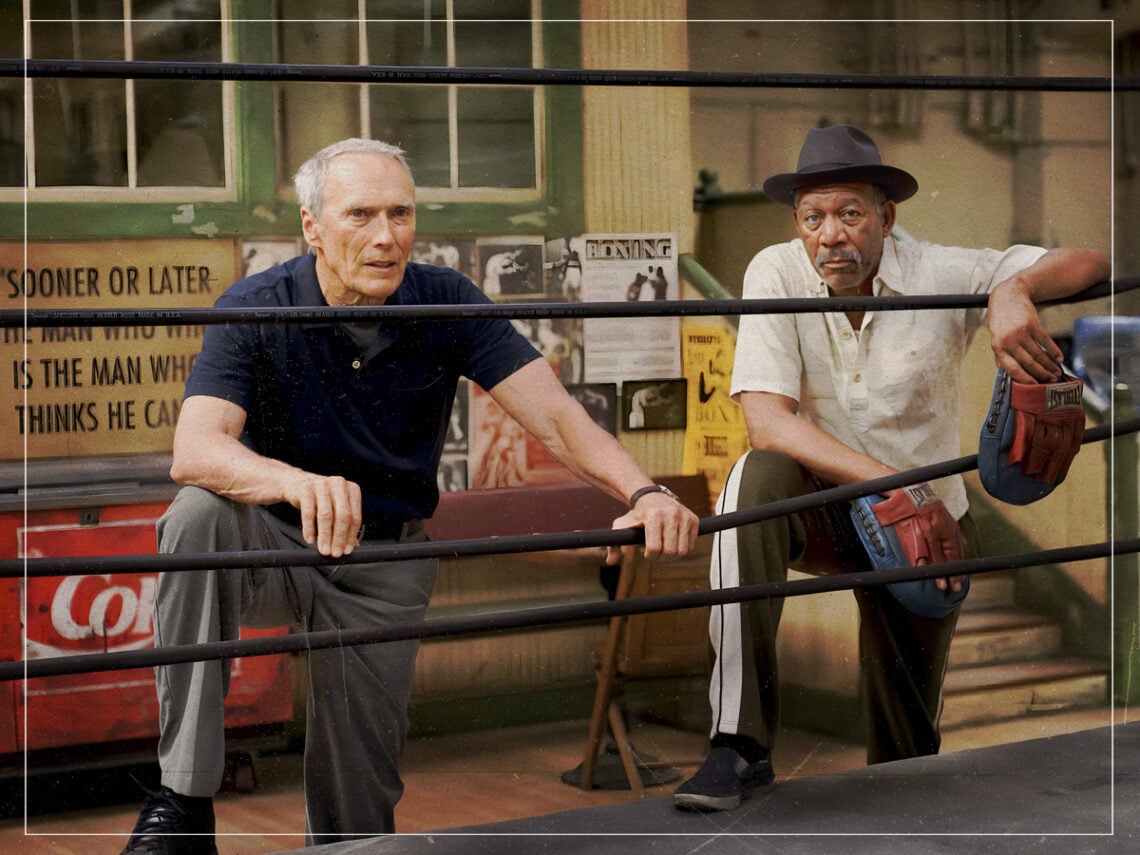
The one thing Clint Eastwood hates about Hollywood: “I don’t want to know that”

These days, Hollywood is more obsessed than ever with one thing. It preoccupies everyone in the business—from actors and directors to studio executives, marketing teams, and media journalists. Countless hours are spent agonising over it, and miles of column inches are dedicated to its successes and failures every single day. While it’s always been acknowledged as an important part of the industry, it can be frustrating for artists when it feels like the only thing anyone cares about. Clint Eastwood is one of those artists, and nothing aggravates him more than when someone approaches one of his films with this mindset.
If anything, it’s ironic that Eastwood finds himself running up against modern Hollywood’s preoccupation with the bottom line. Throughout his career as an actor, but especially as a director, Eastwood has always been one of the most reliable, frugal stars out there. He has a healthy attitude toward money in Hollywood, bringing his movies in under budget and on time, which he knows increases the likelihood that he’ll be given the resources to make his next film. He takes a nominal fee for directing but makes sure he has points on the backend, which means he only does well if the movie does well.
The Unforgiven icon’s matter-of-fact attitude toward money and risk can be traced all the way back to his directorial debut, Play Misty For Me. At the time, he was a western actor with no track record as a director, so when Universal chairman Lew Wasserman told him, “Sure. But we don’t want to give you anything. We don’t want to pay you,” he replied, “Fine. You shouldn’t pay me. I should have to show you what I can do. And if I can’t deliver, then you shouldn’t have to pay me.”
However, while Eastwood is preoccupied with giving his taskmasters a return on their investment, he never approaches a film with the box office as his primary driver. If he makes a movie and it busts blocks, that’s all well and good, but whatever you do, don’t pitch him on a project by saying, “I’ve got this script here, and we could make a ton of money with it.”
In 2006, Eastwood told Entertainment Weekly that he hates hearing sentences like that. “Don’t tell me that,” he grumbled. “I don’t want to know that. I just want to know about the story and the characters. Is there a chance to make it interesting?”
Indeed, the modern obsession with box office figures, above all else, is likely anathema to someone like Eastwood. These days, if a film doesn’t perform like gangbusters on opening weekend, it’s declared a flop and will more than likely disappear from cinemas within a few short weeks. This has undoubtedly led to a risk-averse business that is greenlighting more and more movies viewed as sure things instead of taking chances on material that audiences have no existing familiarity with.
Sadly, though, it isn’t even something that has begun happening in the 2020s. Eastwood admitted that Mystic River and Million Dollar Baby were tough sells for him in 2003 and 2004, despite both movies proving to be enormous successes that won Academy Awards. “I wasn’t there, but I’m sure that behind the doors on Mystic River, people were going, ‘Oh, shit. That’s a dark story,'” Eastwood mused. “And Million Dollar Baby, we took it to another studio because here [Warner Bros] they said, ‘Feel free to shop it around.'”
Warner eventually came to its senses and re-involved itself with Million Dollar Baby, but as Eastwood noted, the attitude toward material was already differing starkly from the Hollywood he once knew. “There was a day like that, but the regimes changed,” he concluded. “New people come in, and they have their own ideas about what’s commercial and what isn’t. And I guess they say, ‘Well, Jesus, if Clint Eastwood came in and said let’s do Dirty Harry again, we’d go for that.'”

Never Miss A Tale
The Far Out Clint Eastwood Newsletter
All the latest stories about Clint Eastwood from the independent voice of culture.
Straight to your inbox.