


The Kinks classic from 1968 that Ray Davies wants played at his funeral

It was the 1960s, and the world was in the midst of a very apparent cultural revolution. Sex, drugs, and rock ‘n’ roll were all the paisley-clad rage. Then, a group of local lads called The Kinks from Muswell Hill roared onto the scene.
With a vivified sound, they heralded the coming of heavy metal, thanks to Dave Davies’ mutilated amp, singing songs about… well, cricket, pleasant sunsets, and quenching cuppas. With that unique constitution, it was clear that Ray Davies and his cronies answered their own critics.
Those critics were not the cool kids trying to arbitrate culture, but rather his parents. “Unlike many other rockers, I always cared what my parents thought of my music,” Ray Davies recalls. The revolution might have been one fuelled by the next generation, but Ray Davies says, “I was writing songs for older people”.
After all, what sort of liberated utopia has no place for a Test Match or a trip around gran’s house for a sandwich? Sex, drugs, and rock ‘n’ roll without those gentler pleasantries thrown in would be nothing but a carnival of carnal sin.
Now, Davies is an older person, and he’s recently been reflecting on the music that makes up his life. Even in 1968, he had this mindset, commenting on his songwriting at the time, “I think every band goes through a phase where they sit back and think about what their future’s going to be.” So, when speaking to the Los Angeles Times about the track he wants to be played at his funeral, god forbid that day should ever come, he opted, rather fittingly, for ‘Days’.
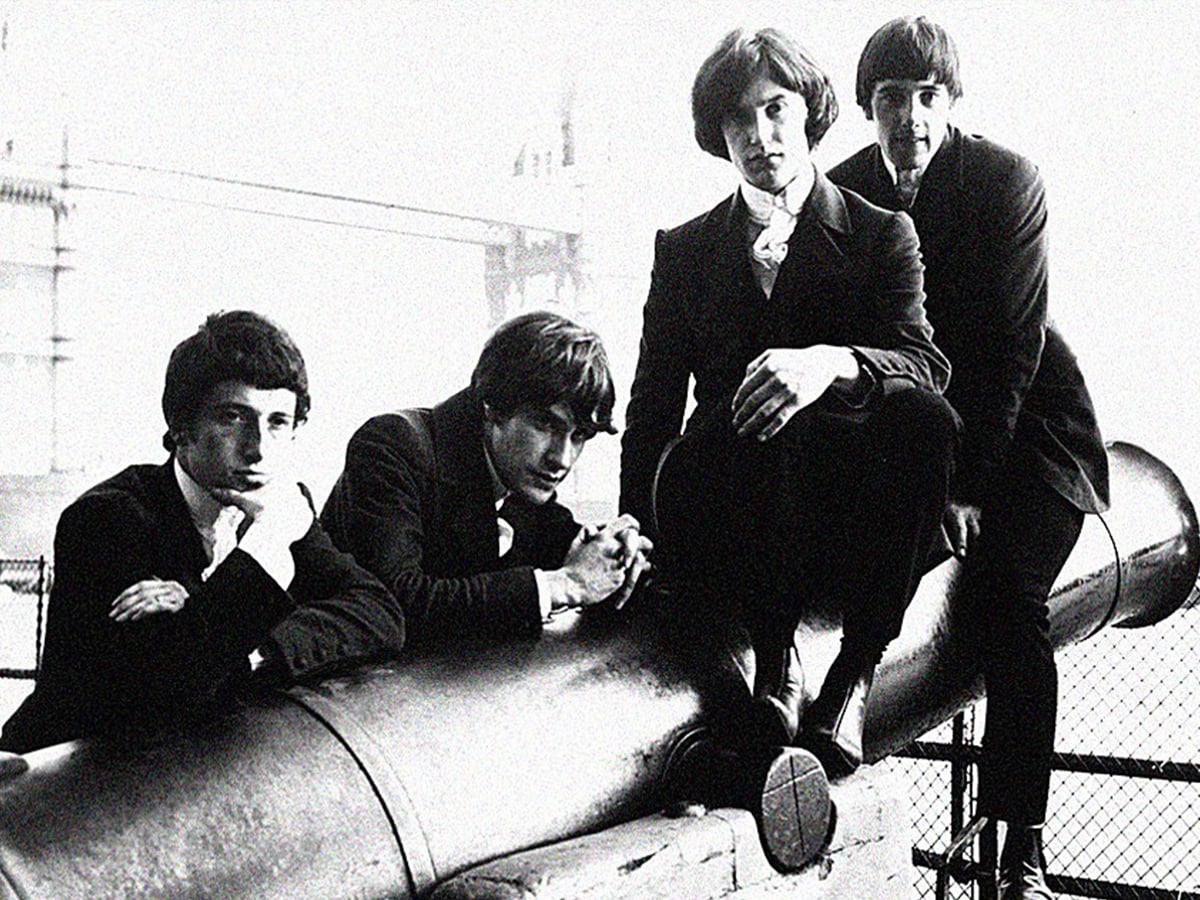
The apt song has an air of finality. Davies equates this to the tempestuous bay that The Kinks found themselves docked in. They knew an end was neigh of another sort back then. Now, years on, the frontman found himself maturely reconciling the situation and looking at the glory days with gratitude. “Pop musicians aren’t meant to go on forever,” he said in 2004.
“And around this time, whenever I finished a session, I thought maybe this is the last record I’d ever make. That’s why it has this strange emotion to it. Fortunately, though, the Kinks went on to make other records,” he added. That seems all the more prescient given the noise a lot of artists are making about their future feeling perilous.

And so, with humility, Davies sang, “I’m thinking of the days / I won’t forget a single day, believe me.” Given the circumstances, the song arrived seamlessly and then was doled out with the same air of ease, being dished out as a single without much of a second thought. “The song has grown in intensity over the years,” Davies opines.
“I didn’t think much about the song when I wrote it. Sometimes, songs occur like that. You don’t think about it, but it’s built up quite a lot of mystique over the years. It certainly left me. It belongs to the world now,” he continued.
This sort of transcendence typifies the music of The Kinks. Now, over half a century later, it still sounds fresh, perhaps on account of its individualism. As Noel Gallagher said of their influence played forward in the Quietus: “The Kinks, like The Who, are one of those quintessentially great English singles bands but I’ve listened to this album so many times and I just fucking love it. It’s obviously such a big influence on Damon Albarn’s writing. You know the song ‘Big Sky’? ‘Big sky, too big to cry.’ You can almost hear someone shouting ‘Parklife!’ at the end of it, do you know what I mean?”
This was at the core of Davies’ thinking in ‘68. As Sgt Pepper and gaudier psychedelia rose up around them, the songwriter was resolute. He told Uncut, “I wanted to write something that, if we were never heard of again, this is who we are. It was a final stand for things about to be swept away, ideals that can never be kept.”
In part, this is symbolic of the honesty and sincerity that abounds in all the best Kinks work. Whether grovelling with his brother, breezing through juvenile angst, or taking a beat on a park bench, whatever the mode that The Kinks were writing in, you always got the sense that it was a remembrance of things past, driving Davies’ pen. Safely assured by this mindset, they rattled off punchy playing and singular singing that defined the sanguine side of the British Invasion.
Thusly, it would seem that if funerals are all about legacy, then Davies picking one of his own is apt. Nevertheless, he wryly added: “But that’s only if I have to pick one of my songs. If not, I choose ‘SOS’ by ABBA.” Which is, ironically, a very similar song when you take away the stark differences in production.
