



The 1977 song that earned Randy Newman a death threat: “That just popped out”

A handful of prominent musicians have made a career out of offending people. Whilst this is a well-discussed subject, given the number of newspaper inches these salacious stories take up, the vast majority of songwriters have made their name as inoffensive artists on the other side of the coin.
This artistry comes in many forms, from middle-of-the-road 1970s pop to the singer-songwriters of the early 2010s. One prominent figure who established himself as fairly innocuous by way of a warm sentiment is Randy Newman.
After all, Newman is the man who sang ‘You’ve Got a Friend in Me’, the iconic theme song for Pixar’s generation-defining Toy Story franchise. Notably, the track is a tribute to the strength of true friendships, with the following lines perfectly capturing this notion: “And as the years go by / Our friendship will never die”.
While Newman has often pulled at the heartstrings with his songs, he’s also prone to sharp satires. One of his most famous is ‘Short People’, a track taken from the 1977 album Little Criminals. Although the title of the song and album might suggest that the Californian has an obsession with dwarfism, it’s much more consequential than that. The verses and chorus are intentionally constructed as a prejudiced attack, written from the point of view of a biased narrator whom listeners are supposed to detest.
That tension between intention and interpretation has always followed Newman’s work. Writing in character can be a powerful tool, but it relies on the audience being willing to engage with the nuance rather than taking everything at face value. When that balance tips the wrong way, the satire can quickly become indistinguishable from the thing it’s trying to critique, leaving the songwriter exposed to reactions that completely miss the point.
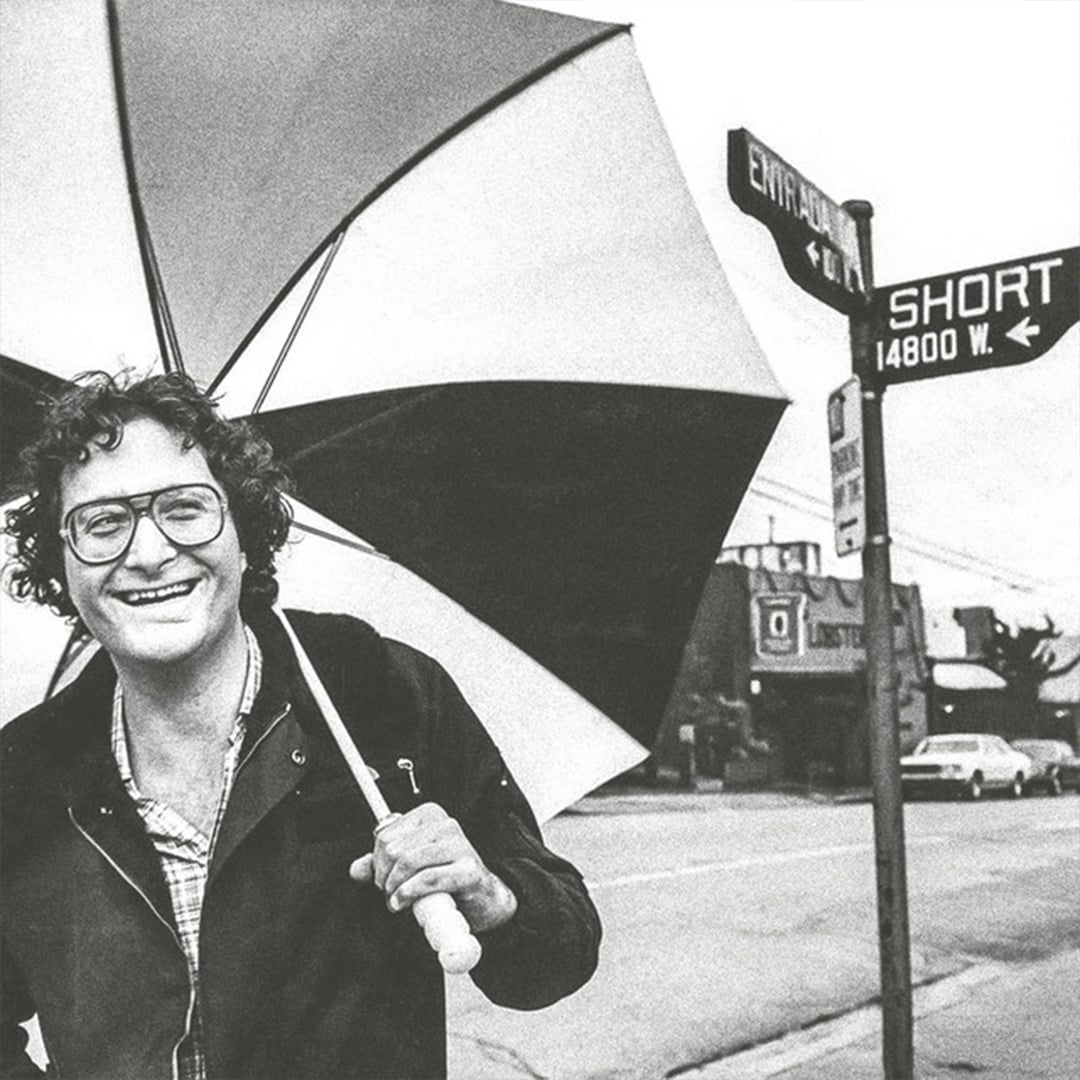
It also underlines the risk that comes with stepping outside of that “inoffensive” label he was often associated with. Newman may have built a reputation on warmth and wit, but songs like this showed he was just as interested in poking at uncomfortable truths. The problem is that once a song escapes into the world, it no longer belongs solely to its creator, and how it’s received can shape its legacy just as much as the intention behind it.
In contrast to the verses and chorus, the bridge of ‘Short People’ maintains, “Short people are just the same as you and I”. Yet despite this, many listeners believed the song’s main body reflected Newman’s actual beliefs. This was the same full-frontal approach Newman used in the song ‘Rednecks’, an exposé on America’s historical issue with racism.



Discussing the need to write the song, Newman told Rolling Stone: “I needed an ‘up’ song for that record, and that just popped out: ‘Short people got no reason…’ I was bouncing off that [hums the piano line]. I was surprised by the reaction. Because it was a hit, the song reached people who aren’t looking for irony. For them, the words mean exactly what they say. I can imagine being a short kid in junior high school. I thought about it before I let the record get out. But I thought, ‘What the hell?’ I know what I meant – the guy in that song is crazy. He was not to be believed.”
Newman hadn’t experienced a charting single before the release of ‘Short People’. It quickly became a hit as a novelty song, peaking at number two on the Billboard Hot 100 for three weeks, kept off the top spot by Player’s ‘Baby Come Back’ and Bee Gees’ ‘Stayin’ Alive’. However, it’s longevity meant that it was eventually certified as a gold record.
Despite its enormous success, Newman would grow to dislike ‘Short People’. He explained: “It was too bad that was my one big hit—a novelty record like The Chipmunks did,” Newman told The Free Lance-Star in 2003. “It was a hit that did me no good, that did me harm. A bad break.”
The track was so ubiquitous that Newman explained that when he’d watch a baseball game on TV, “they’d joke about it at halftime. I was losing my sense of humour”. Adding to his feelings, many people failed to understand that the song was satire and that it shed light on discrimination instead of being hateful. Some people were so offended by the track that Newman received a death threat because of it.
“You never forget your first death threat!” he told Medium in 2011. “It was in Memphis. My manager at the time had been tour-managing The Carpenters, and he said they got death threats all the time. I said, ‘All the time? Really?‘ He said that if they refused to come on every time they had a death threat, there would never be a show. So I just went on and did it. Later, I learned the truth. The Carpenters had never had a death threat. But there it was. I survived.”
The worst part of the episode for Newman, though, was that it characterised him as a lightweight songwriter. Newman later recalled: “Yeah, they got mad. I had no idea that there was any sensitivity, I mean, that anyone could believe that anyone was as crazy as that character. To have that kind of animus against short people, and then to sing it and put it all in song and have a philosophy on it (laughs). And yet, there were people who took a genuine beating. I mean, who wants to be bothered, you know, ‘Here’s your song again, honey, ha, ha, ha’.”
He continued: “I almost regret nothing that I’ve written, and I don’t regret that because I like it. But you could make a case for that one. Of course, I didn’t mean it, but it doesn’t do any good if someone is going into an office every day and gets ribbed about being short, or ‘Mom, I don’t want to go to school today… this damn song’, you know.”
Listen to ‘Short People’ below.
