


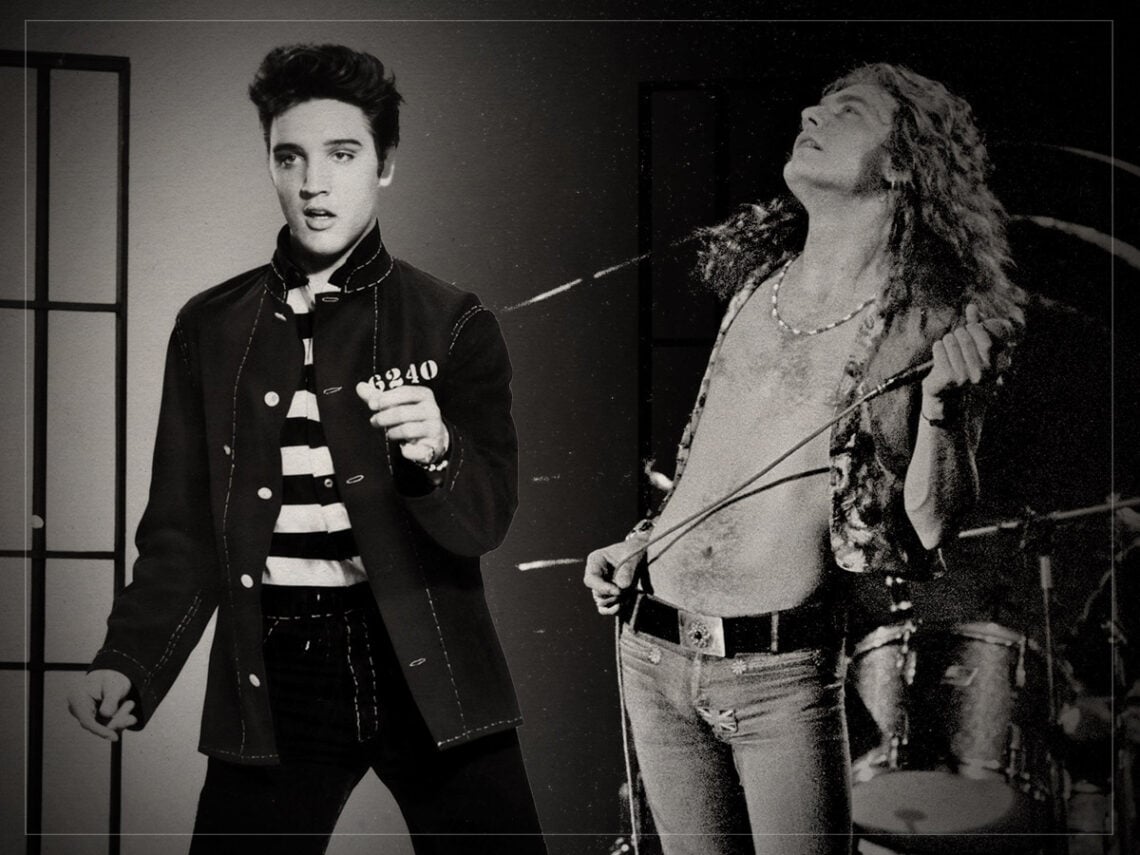
The one musician Robert Plant said matched Elvis Presley: “Everything was there!”

By the time that Led Zeppelin came around in 1968, the rock and roll world had evolved so much that it was almost unrecognisable from the heyday of Elvis Presley and Chuck Berry.
Indeed, for a genre that only really lit the touchpaper in the previous decade, it puts into context just how fast the needle moved in terms of what the sound started out as, compared to what it became. And of course, Led Zeppelin were traditional by no means, but they too followed a path of development which mirrored the backdrop of music they found themselves in.
But ever since Jimmy Page had joined The Yardbirds in 1966, the deep-seated heart of blues and rockabilly was what ultimately got his blood pumping towards a life of tearing up stages. Eventually, through a process of trial and error, when his other Led Zeppelin bandmates came on board, there was only really one place to start.
That was with a cover of ‘Train Kept A-Rollin’’ by Johnny Burnette, a usual staple of the Yardbirds’ previous live roster. It was a strong first benchmark for the band to find their feet with before they ran off in new directions, but for Robert Plant in particular, those classic, jangling tones were so stirring that they never left him.
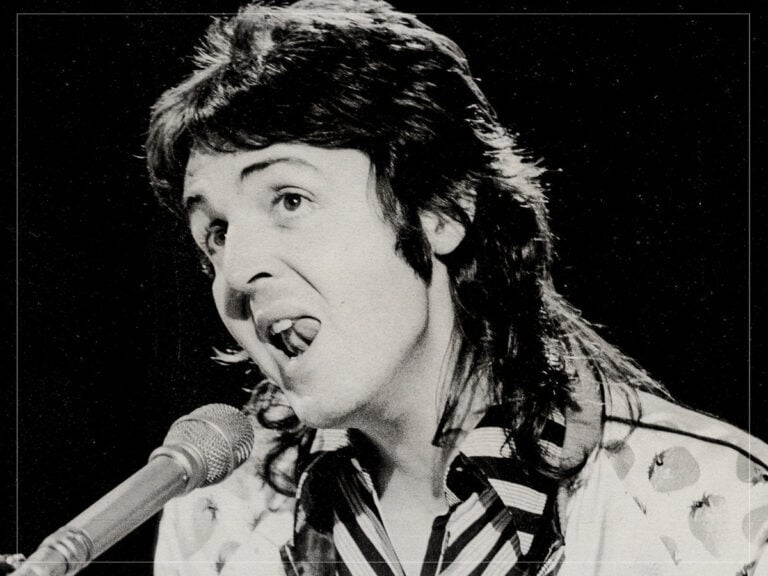
Burnette was no lasting influence on heavy metal, it has to be said. After all, he tragically died in 1964 at the age of just 30, so he had very little time to see the effects of his career materialise in the moment. Nevertheless, the concept of him as an underrated rock and roll icon was a sense that kept making a firm impression on Plant, even later down the line.
When it came to a song like ‘Cincinnati Fireball’, a song released in 1960, it captured all parts of Plant’s early sonic brain. “Everything was there!” he exclaimed. “Chick vocals, string parts, this guy who was somewhere near Elvis – and it was a ditty,” Plant added, underlining just how significant he felt Burnette’s legacy was in the scores of rock and roll.
Naturally, though, it wasn’t just the technicalities of the music that sent his mind whirring. ‘Cincinnati Fireball’ centred on the image of the best-looking girl anyone had ever seen, and the person that every man wants to take to bed, driving him insane to the point where he wants to “climb a wall” and endure “1,000 sleepless nights”.


It was the ‘50s and early ‘60s, after all: no one was as politically correct as they are now. For someone like Plant, the idea of sex appeal and raw machismo was undeniably a major part in what turned him towards the bright lights of the rock and roll business, aside from the normal aspersions of playing and dreaming.
In a lot of ways, it was only right that his musical heroes read from the same hymn sheet, even if their intentions were sometimes less than holy. Whether it was Burnette, Presley, Berry, or anyone in between, there was a line of rock and roll gods who tread the boards before him, and from whom Plant each pickpocketed some of his essential lessons.

Never Miss A Beat
The Far Out Led Zeppelin Newsletter
All the latest stories about Led Zeppelin from the independent voice of culture.
Straight to your inbox.