


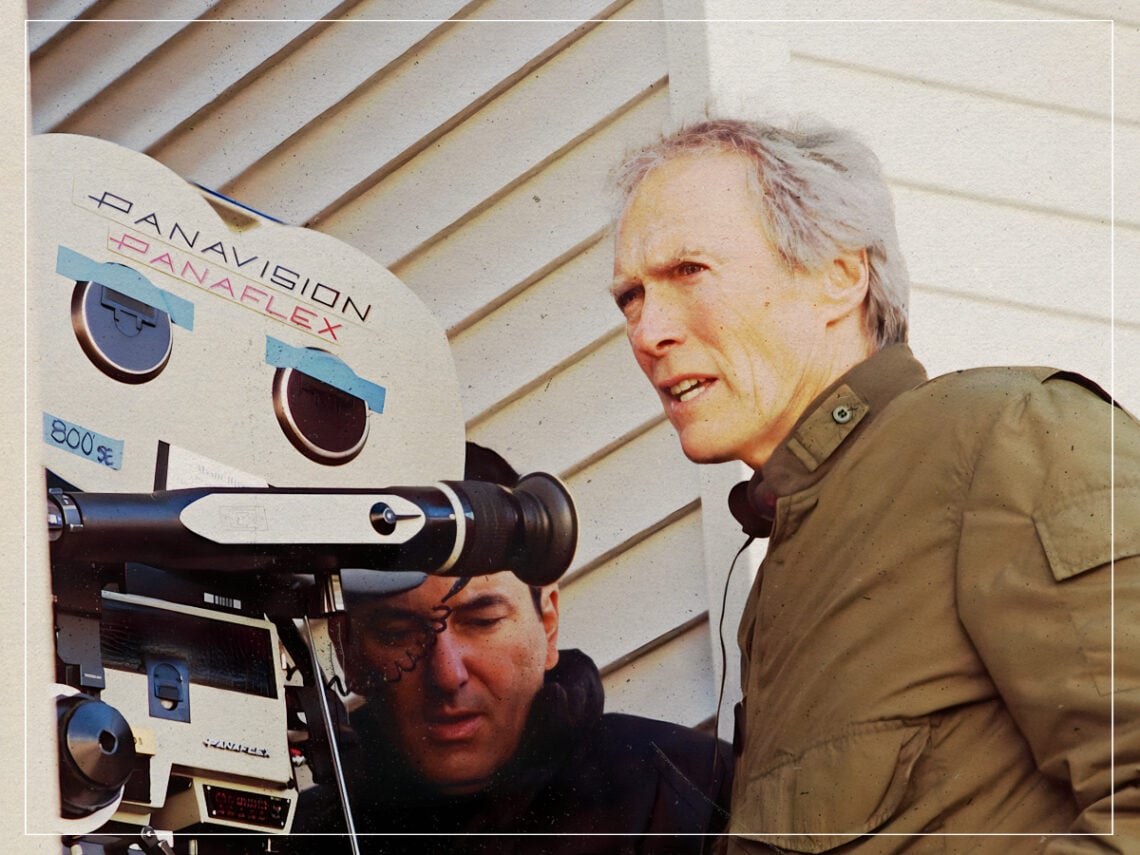
The movie Clint Eastwood instantly fell in love with and had to make: “Why the hell wasn’t I reading this script instead of those other turkeys?”

Look through the annals of cinematic history, and there will be few actors and directors who can use their CV to stand toe-to-toe with Clint Eastwood. From TV to becoming one of the most recognisable faces in the world to then performing miracles behind the camera, Eastwood dominates Hollywood like the titular sign looms across the city’s skyline.
With such a resounding resume, Eastwood is afforded many opportunities. Not only one of Tinseltown’s most revered actors but also one of its acclaimed directors, the legendary star is inundated with countless scripts, all presenting different opportunities to stretch his creative muscles. One such script was an instant classic for him, but he almost let it slip through his fingers.
2016’s Sully: The Miracle on the Hudson, starring Tom Hanks, has become a mainstay in Eastwood’s canon. Far removed from some of his more brutal work in the wild west, instead, the veteran star turned his directorial nous to help share the incredible story of Chesley Sullenberger, a pilot who helped to save 155 people by performing an emergency landing on New York’s Hudson River. It might seem like perfect movie-going fodder, but for Eastwood, the script almost went by him as just another pile of paper on his desk.
“The script sat on my desk for almost a week,” Eastwood confessed. “I was going home one night, and my assistant said, ‘Take these scripts with you. Look at the untitled script about the miracle on the Hudson.’ So I went home and I started reading the other scripts.” It should be noted that this is a task performed by directors across Hollywood with only a very small percentage ever finding the fertile ground needed to get them off the ground. Sometimes, what a script really needs is a supporter close to the director in question: “She kept mentioning the script about the Hudson all week, so I thought, ‘I better read this!’ I did, and then I was thinking, ‘Why the hell wasn’t I reading this script instead of those other turkeys?’”
It was love at first read for Eastwood, who connected with the words on the page: “I just fell in love with it right away. I thought that I knew all about the miracle on the Hudson because I followed the news very carefully when that happened. Then all of a sudden, it made sense.”
Of course, for a director, a good story is only half the battle. There needs to be moments from which a big-budget movie can be hung, and it would take a little bit of digging for Eastwood to find the appropriate beats. “The first thing that I started asking myself was, ‘What’s the conflict there? This guy lands a plane and saves 155 people…where’s the conflict?’”
It would be the difficulty of modern bureaucracy that would become a key point for the movie: “Well, Chesley Sullenberger went through all of these periods of self-doubt inspired by the national transportation society or whatever the hell it’s called. He had to actually prove his decisions, and they came out to be the right decisions. Then it became very dramatic, and that’s what I was looking for.”
The director was not without his doubts: “My first thought was, ‘Well, this must be a wonderful event, but who wants to see a whole movie about it?’” But things soon changed as the script unfurled before him: “Then we get to live through it, and we have all the various emotions about all the characters and all the different attitudes that you have about that. Then there’s his family life, and how it affects him and his self-reliance. So it became a fascinating story in the end. All I did was add some things, like the dream sequences, so the viewer could see what it was like in his head to make those decisions.”
There aren’t many movies that a director will instantly connect with. The nature of being a filmmaker means you are always inclined to trust your own vision of the script. But it’s clear that Sully was a very special moment for Eastwood and would prove to be another shining example of his ability to tell a story.

Never Miss A Tale
The Far Out Clint Eastwood Newsletter
All the latest stories about Clint Eastwood from the independent voice of culture.
Straight to your inbox.