


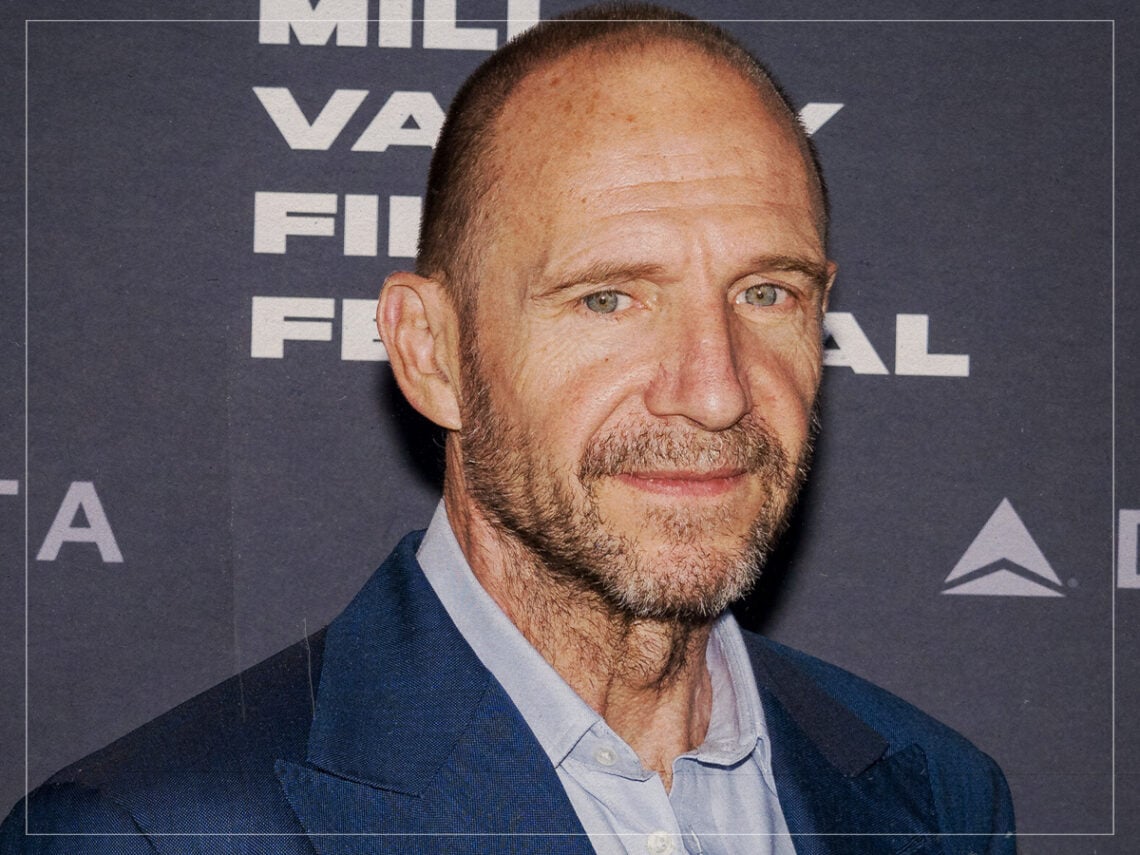
The one actor who refused to work with Ralph Fiennes: “I don’t think she liked me”

Ever since making his professional debut on the London stage in the mid-1980s, Ralph Fiennes has been celebrated as one of the finest British actors of his generation, living up to the early hype by spending the next four decades giving top-notch performances in everything from intimate dramas to billion-dollar blockbusters.
He’s also navigated his career without getting caught up in any major controversies or adverse publicity, although some people remain unimpressed with his ongoing and unwavering support of JK Rowling, the creator of that aforementioned billion-dollar blockbuster. Beyond that, he’s left the boat un-rocked.
The three-time Academy Award-nominated star is held in the highest regard by his peers, collaborators, and contemporaries, with the filmmakers and colleagues he’s worked with across film, television, and theatre over the years having almost nothing but the kindest words to say about him. However, all rules have exceptions, and in Fiennes’ case, it was one of the biggest names in Hollywood.
It would have been easy for him to become typecast after his haunting breakthrough big-screen turn as Amon Göth in Steven Spielberg’s Schindler’s List, especially when the years since have shown that he’s no slouch to villainy. However, he was smart enough to realise that he could easily be put into a box he wouldn’t be able to break out of.
Fiennes’ post-Schindler pictures saw him appear in Robert Redford’s Quiz Show, Kathryn Bigelow’s Strange Days, Anthony Minghella’s The English Patient, and Gillian Armstrong’s Oscar and Lucinda, four films that couldn’t have been more different from each other, but allowed him to show his range.
The less said about his attempts at leading a big-budget studio flick, the better, with the actor happy to pretend 1998’s The Avengers doesn’t exist, but he could have followed it up with one of the most controversial ‘Best Picture’ winners in Oscars history if Julia Roberts hadn’t been so resistant to him.
Roberts was the first name to sign on for the period drama, but a major issue quickly arose when she indicated that she didn’t want to share top billing with anyone other than Daniel Day-Lewis. Of course, he’s a notoriously hard man to pin down, but the film’s original director, Edward Zwick, had a suggestion.
Calling him “my favourite among all the actors I wanted Julia to meet,” their first reading of the script together would be the last. “Even as Ralph did his best to elicit the famous smile, Julia barely acknowledged him,” he told Air Mail. “I’m not suggesting she was deliberately sabotaging, but it was a disaster nonetheless. I tried to catch Ralph’s eye to apologise as he left, but he couldn’t get out of there fast enough.”
Zwick and Roberts would eventually drop out to be replaced by John Madden and Gwyneth Paltrow, respectively, and when Fiennes was asked about his brief dalliance with the Pretty Woman headliner and Shakespeare in Love almost 30 years later, he had a theory for why it didn’t pan out: “I don’t think she liked me.”
