


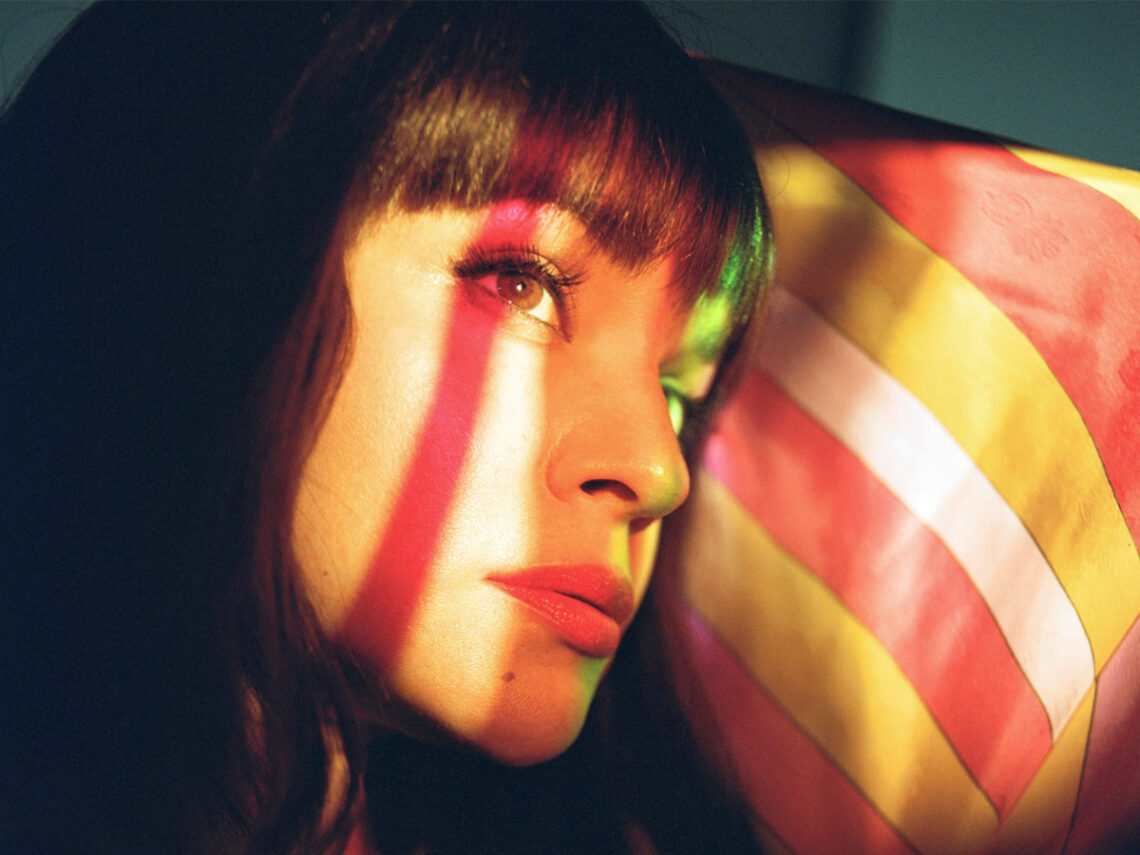
‘The Fall’: Norah Jones’ anti-country record

Norah Jones is, in my humble opinion, nothing short of a shapeshifter. She’s spent decades gracefully dodging the labels people slap on her, from shedding the ‘jazz sweetheart’ tag after Come Away with Me to ditching the ‘country crooner’ whispers that followed Feels Like Home.
She said herself, “A record is just a snapshot of where you are at any time”, and I’d imagine she had The Fall at the forefront of her mind when she made that utterance.
It’s a record that side-eyes its own past. While her first two albums are bathed in warm, familiar sounds—plush piano, upright bass, gentle acoustic guitars—The Fall is moodier, murkier, and noticeably missing her signature instrument: the piano. Instead, there’s a focus on grimy electric guitar tones, skeletal beats, and a loose, brooding energy that feels like a deliberate move away from anything ‘rootsy’ or ‘Americana’. For anyone expecting another dose of coffee-shop comfort music, Jones had other plans.
That energy shift wasn’t just sonic; it was emotional. The Fall is, at its core, essentially a breakup album. Jones had recently split from longtime partner and bassist Lee Alexander, and you can hear it in the way she lets her silky voice sink into the heartache. But rather than wallow, she plays with contempt. ‘Chasing Pirates’ has a teasing uneasiness, a feeling of someone shaking off the past and trying to figure out what comes next. Then, there’s ‘Light as a Feather’, co-written with Ryan Adams, where she lets her voice hover over swampy drums, singing about a love that’s both equal parts intoxicating and unnerving.
The production was led by Jacquire King, known for his work with Kings of Leon and Tom Waits, and leans into textures that feel rough and ready. The drums clatter rather than glide, and the guitars buzz rather than shimmer. Even her vocals, usually pristine, have a looser, more conversational quality. On ‘Young Blood’, she almost sneers as she delivers the chorus, something we hadn’t really heard from her polished image before. This wasn’t the cosy glow of Come Away with Me; this was something messier, more lived-in.
Perhaps the most striking thing about The Fall is how human it feels. It’s not a grand reinvention; it’s more like a quiet, necessary rebrand. Jones wasn’t turning her back on her past work; she was just refusing to be pigeon-holed by it. And in doing so, she gave us an album that feels deeply personal. This wasn’t an artist trying on a sound because it was trendy, but one who was making something that felt true to where they were, in all its vulnerable and uncertain glory.
She was shaking off a few shackles, as she explained, “For this album, I wanted to keep my country side away, so I needed to figure out how to make this song work and tie it in with the others. We did it by taking the guitar out, and there was this crazy organ sample, and it sounded like a razor blade underneath everything.”
So, the switch-up of in style might have been deliberate, but going anti-country was still artistically earnest. As she added, “It was this cool moment where I realised that you can just strip away some of the elements and you can get something totally new.”
The Fall might not be the album most people associate with Norah. It didn’t have the easy-listening glow of her debut or the nostalgia-soaked charm of her later records. But it holds a unique place in her catalogue. A reminder that she’s not just a voice for Sunday mornings and soft-focus teenage romance. She follows her instincts, even when they lead her down unexpected roads. And for me, that’s what makes The Fall one of the most compelling stops along the way.
