


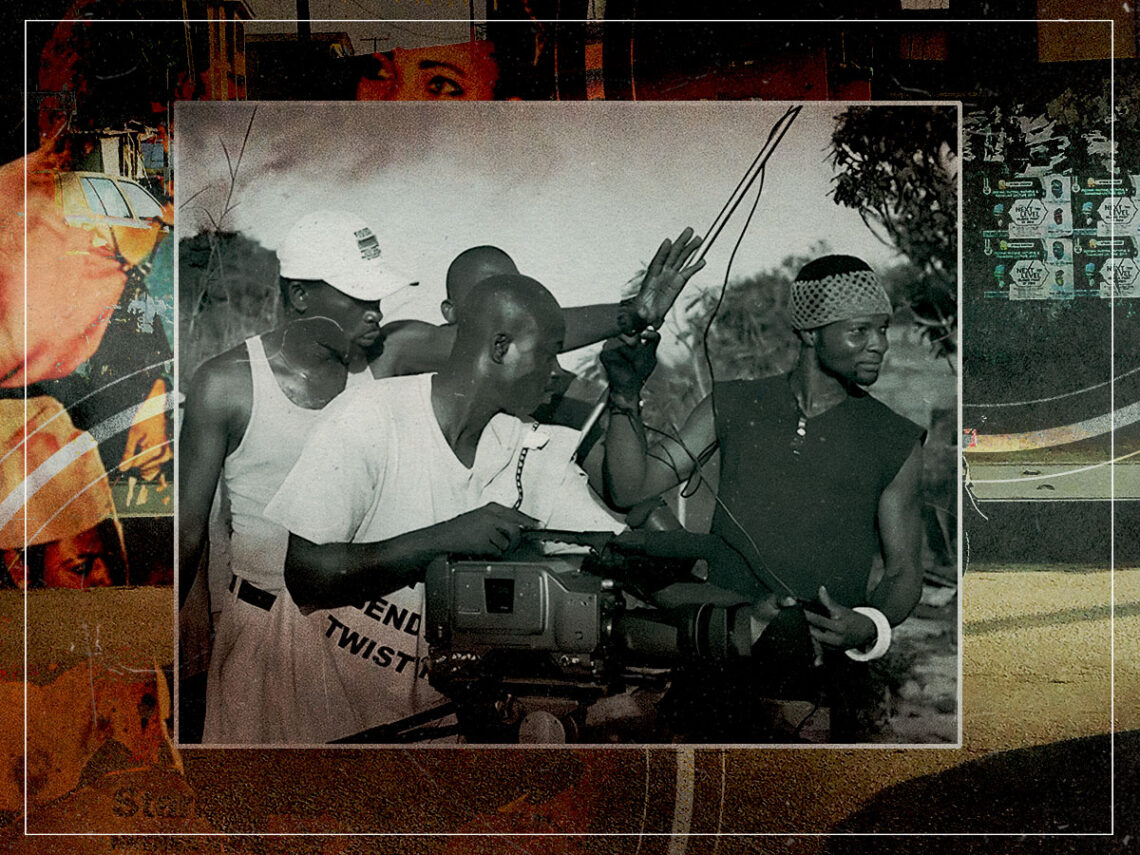
Exploring ‘Nollywood’: The home of African cinema

Over the last three decades, the film industry of Nigeria, affectionately known as Nollywood, has emerged as a serious cultural and financial institution, not only on the continent of Africa but across the world, too. Rapidly growing since the early 1990s and possessing a unique outlook on the medium of cinema, Nollywood has made a considerable impact on the narrative arts through a commitment to identity-based storytelling.
Naturally, one of the central features of Nollywood films is their representation of African culture and identity. This artistic facet had previously seen African stories persistently portrayed as outsiders, which tended to reinforce the stereotypes and misrepresentations of being African. However, Nollywood has given African filmmakers the platform to tell their own stories as they wish and craft their own identity-forming journeys.
The diversity of Africa runs strong through Nollywood productions and features the wide range of languages, cultures and traditions that make being an African person so unique and special. As such, Nollywood has been essential in creating a new global perspective on Africa as a whole, generating new understandings of people from the continent and their social histories.
Many figures claim that 1992’s Living in Bondage, directed by Chris Obi Rapu, is the film that kicked off the Nollywood industry, though a Golden Age of Nigerian cinema had indeed existed before. Starring Kenneth Okonkwo and Nnenna Nwabueze, Living in Bondage is a two-part drama thriller that explores the themes of greed, power and how one’s actions can have great and disastrous consequences.
Around a decade later, Kinsley Ogoro’s Osuofia in London arrived in 2003, a comedy movie that popularised Nollywood productions. Focusing on a Nigerian villager and his humorous misadventures in the English capital, Ogoro’s film remains one of the highest-grossing Nigerian films of all time, proof that Nollywood could compete on an economic basis.
That success led to higher production values in the likes of Ije: The Journey by Chineze Anyaene, Half of a Yellow Sun, the 2013 Biyi Bandele film based on Chimamanda Ngozi’s novel of the same name, plus The Wedding Party, Lionheart, Kings of Boys and The Milkmaid.
With such esteem on the global stage, Nigerian society has begun to be rightfully perceived as the vibrant and complex human collective that it truly is. In turn, a bridge is formed between a global audience and the local experience, creating a cultural exchange and a connection between different kinds and groups of people.
Economic development has also benefitted the Nigerian film industry, and it now has thousands of jobs on offer, whether to actors, filmmakers, crew, or support staff, which also has a ripple effect on the need for wider recruitment in the hospitality and fashion industries.
African filmmakers, who had once struggled to find their voice on the global circuit, so often dominated by the United States and certain parts of Western Europe, now have the perfect platform to showcase their personal talents, inspiring wave after wave of new generations with cinematic ambitions.
There are indeed challenges within Nollywood – piracy, lack of infrastructure, lower funding compared to other parts of the world – but if things keep moving forward and global stakeholders keep offering financial rewards, then the Nigerian film industry will be able to compete shoulder-to-shoulder with the best and the rest.
Nollywood is far more than just mere entertainment; it’s a vital part of the Nigerian economy, and what’s more, it’s provided a chance for African filmmakers to reclaim their own narratives and prompt social transformation on a grand scale.
