


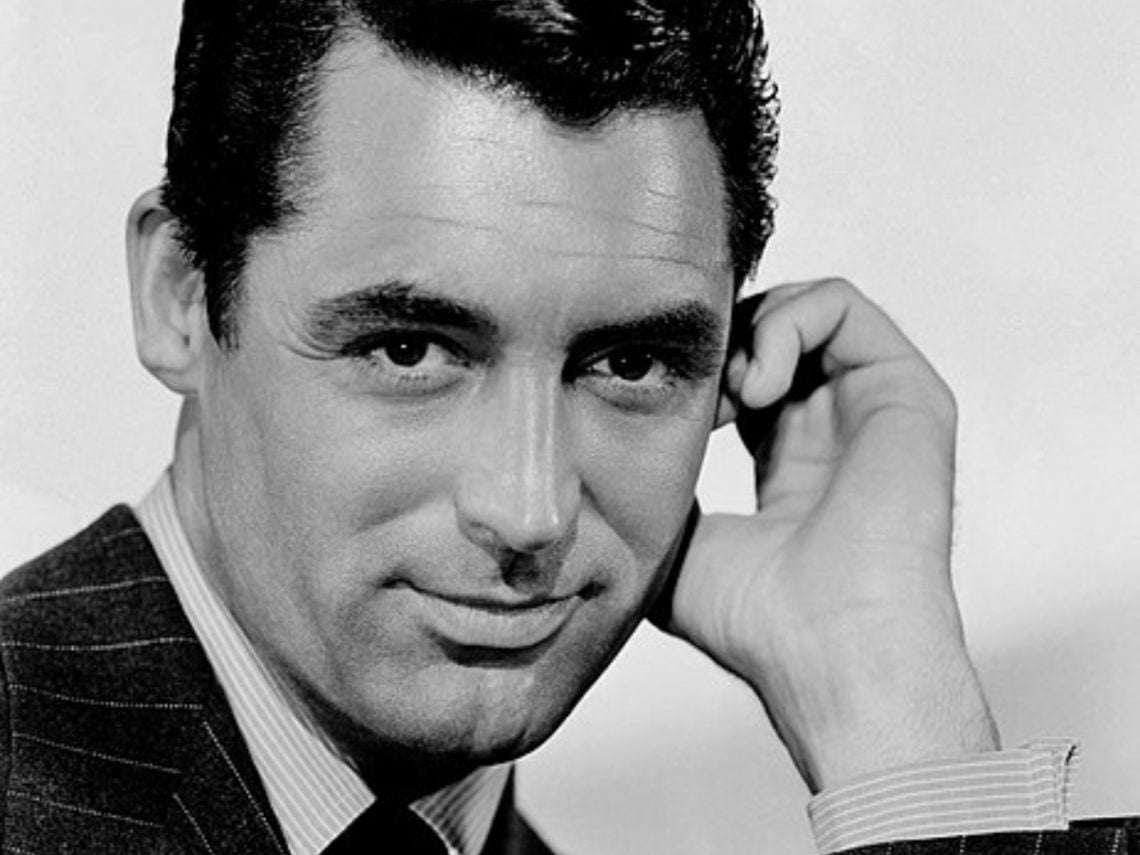
Why “nobody wanted to see” Cary Grant’s only autobiographical movie: “So I put Archie Leach away”

Many of the industry’s most iconic stars, from John Wayne to Tom Cruise, have cultivated and curated personas to help them not only reach the top of the Hollywood tree but stay there for the duration. However, few have ever created a suit of armour around themselves to the same extent as Cary Grant.
The chances of a kid from Bristol called Archibald, who was born into poverty and grew up in a house with an alcoholic father and an absent mother, becoming one of America’s most suave, sophisticated, cool, and charismatic movie stars seem unlikely, but he managed it somehow.
He was only 16 when he began touring the United States as a vaudevillian performer, and he wouldn’t become Cary Grant until his late 20s, with Paramount Pictures insisting he change his name to something more appealing after he signed his first contract with the studio in 1932. From then on, Archie Leach was no more.
By the dawn of the following decade, he was a made man. With The Awful Truth, Bringing Up Baby, His Girl Friday, and The Philadelphia Story all released between 1937 and 1940, Grant was on top of the world and synonymous with top-tier screwball comedy, showing impeccable timing without ever sacrificing a shred of his composure or charisma.
Maintaining the illusion was a full-time occupation, with the actor never slipping back into the mannerisms of the person he was born as: “I pretended to become a certain type of man onscreen, and I became that man in life,” he said. I became Cary Grant—an athlete, a dream man, one who sails on yachts and gives expensive presents.”
It’s hard to say it didn’t work, but there was one occasion when Archie was brought to the fore. Throughout his career, he’d played up the self-created image and projected it to the world, and as talented as he was, he rarely deviated from the archetypal Cary Grant formula.
However, when None but the Lonely Heart landed on his desk, he felt compelled to make his most ironic decision yet: playing against type by playing himself. Archie Leach and Cary Grant were two completely different people, and the latter had become so all-consuming that he struggled to reconnect with the former.
The 1944 romantic drama sees Grant playing Ernie Mott, a lazy and unmotivated cockney with a dead father and a dying mother. To alleviate her ailing health, he agrees to take over the family business, leading him down a dangerous path as he resorts to dodgy business deals to keep things afloat.
In real life, Grant’s father had his mother committed to a psychiatric institution when he was nine years old and later told him that she’d died. His old man remarried and started a new family the next year, and shortly before his death, he confessed that his mother wasn’t dead at all, and she lived until she was 95.
It was the closest he’d ever been to himself onscreen, and even though he earned his second, and final, Oscar nomination for the role, None but the Lonely Heart lost money at the box office, leaving the leading man was convinced it was because audiences weren’t interested in seeing the man he once was but hadn’t been for so long.
“The only time I played myself was in None but the Lonely Heart, and nobody wanted to see the real me,” he said. “So I put Archie Leach away and went back to being Cary Grant.” Once was enough, and he spent the rest of his career playing to type.
