


‘Negative Hands’: Marguerite Duras’ poetic portrait of Paris

Since its conception, the cinematic medium has been used to document the unique dynamism of cities, and Paris is undoubtedly one of the most mythologised cities in the history of cinema. Ranging from Jean-Luc Godard to Woody Allen, many filmmakers have tried to translate the infinite nuances of the French capital to film. While their works are rightly categorised as definitive, one of the most interesting cinematic chronicles of Paris is Marguerite Duras’ 1978 film Negative Hands.
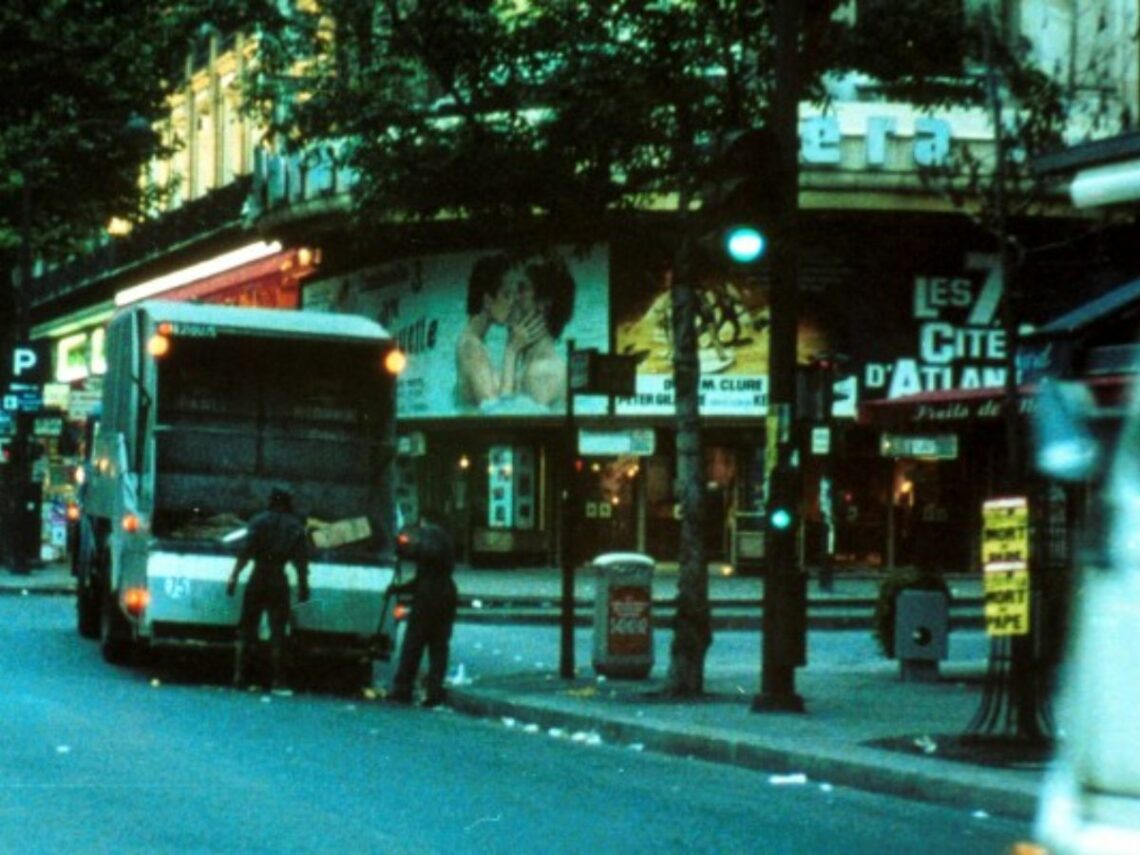
Shot during the early hours of the morning, Negative Hands is a startingly poignant meditation on the origins of our civilisation and the relentless march of modernity. As the camera strolls through the streets of Paris, Duras narrates a poetic text about love, identity and a collective remembrance of a past that somehow feels inaccessible. For her, the union of the text and the images on the screen was an integral part of the cinematic experience.
During a conversation with Godard, Duras spoke about the challenges of amplifying the text in a completely visual medium. She explained: “On the screen, I need both things, neither of which gets in the way of what I would call ‘the amplitude of speech.’ In general, I find that almost all images get in the way of the text. They prevent the text from being heard. And what I want is something that lets the text come through. That’s my only concern.”
According to Duras, the aesthetic framework of the screen plays an important role in the textual structure of her narratives. The director added: “I make my texts bend to the cinema. I’m not going to churn out a text that I would offer to be viewed, to be heard along with images, the way I would churn it out in a book, the way I would offer it to be read in a book. I have to use the screen to structure the reading of the text. That’s not the same thing, after all.”
Negative Hands is a reflection on the art found in the Magdalenian caves, specifically the handprints that were dated to be thirty thousand years old. It’s a powerful act of creation, one that binds our fractured reality to the completely different world that the artist inhabited all those forgotten centuries ago. The juxtaposition of that anthropological memory with the strange visions of modern society creates an ethereal lens for the audience.
Duras’ film should definitely be viewed along with Claude Lelouch’s Rendezvous, another movie where the camera takes us through the streets of Paris in the early morning hours. While Rendezvous is all about the adrenaline of modernity and youthful action, Negative Hands is a more mature examination of the dense relationship between our history and our future. Both take us through those labyrinthine Parisian streets but in completely different ways.
Watch the film below.
