


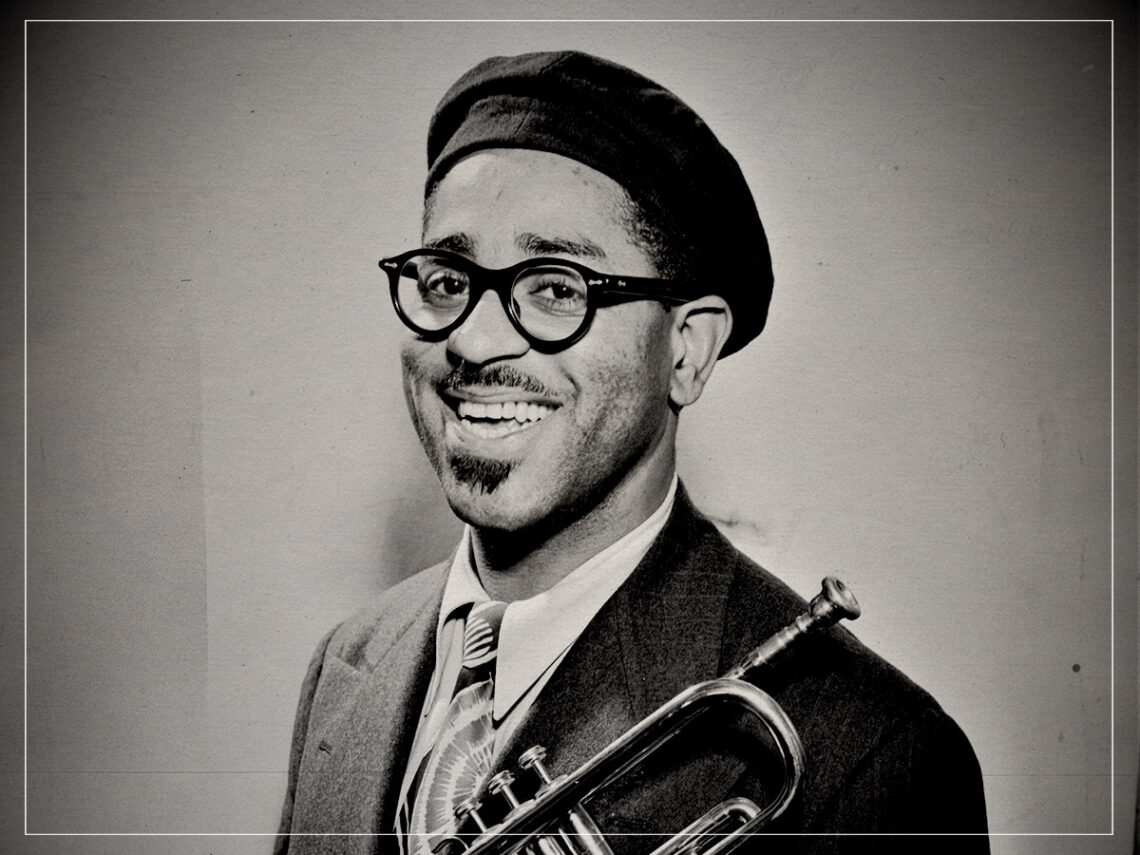
The musicians Dizzy Gillespie selected as his cabinet members for this presidential campaign

Back in 1964, to the surprise of the music world and beyond, bebop jazz legend Dizzy Gillespie threw his hat in the ring for that year’s presidential race.
Dedicated fans probably saw it coming, “Dizzy Gillespie for President” badges having been floated around for a year since his booking agency printed them as a joke, but politics had begun to pull Gillespie away from his trumpet and force a reconsideration on how he could affect some social change with his cultural platform.
He’d already waded into the national conversation outside music by appearing in 1962’s The Hole, an Academy Award-winning animated short featuring his and actor George Matthews’ improvised debate around the topic of nuclear war.
Two years later, as incumbent Democrat President Lyndon B Johnson and Republican Senator Barry Goldwater were battling it out for the White House, Gillespie decided to stand as a write-in candidate, stating, “Because we need one” when asked as to his motivations. It became his campaign motto. Such political ambitions grew beyond a mere promotional stunt, running on a platform of “civil rights and social change” via pledges to provide housing and hospital care for US troops in Vietnam, scored by his old ‘Salt Peanuts’ bebop tune revised as ‘Vote Dizzy’ for the official campaign song.
Naturally, any presidential contender needs a provisional administration. Selected for top cabinet positions in his ‘Blues House’, Gillespie presented a glittering rollcall of jazz big names to help run the country should he have made the big move from New York to 1600 Pennsylvania Ave.
Duke Ellington was honoured with the prestigious Secretary of State, while Miles Davis was set to head the CIA. Agriculture would be overseen by Louis Armstrong, defence by Max Roach, ‘travelling ambassador’ Thelonious Monk, and Mary Lou Williams as Ambassador to the Vatican. For the brand new Secretary of Peace position, Gillespie had Charles Mingus in mind, while bestowing Ray Charles with the lofty Chief Librarian of Congress role. Finally, Black nationalist leader Malcolm X would stand as Attorney General, and curiously, comedienne Phyllis Diller appointed his running mate.
The campaign had some legs, proceeds eventually being gifted to Martin Luther King Jr’s civil rights efforts and the Congress of Racial Equality and Southern Christian Leadership Conference, and 25 states were the site of dedicated planning from his John Birks organising base, a nod to Gillespie’s first and middle birth names and a wry riposte to the conservative John Birch Society.
Gillespie eventually dropped out of the race, LBJ winning his first election after having stepped up to the presidency in the wake of John F Kennedy’s assassination the year before, then declining a second term in 1968 and opening the White House doors to Richard Nixon. Gillespie made cursory efforts to kick off his presidential bid in 1971 – selecting Sioux native American Ramona Crowell as VP – before calling it quits the moment campaign season came along.
While adding to the ‘Diz’ lore, and certainly not without its touch of branding reach, the ‘Vote Dizzy’ programme of alleviating poverty and a push for social reform points to an agenda infinitely better than what followed across the 1960s’ tumultuous decade of civil strife and political implosion.
