


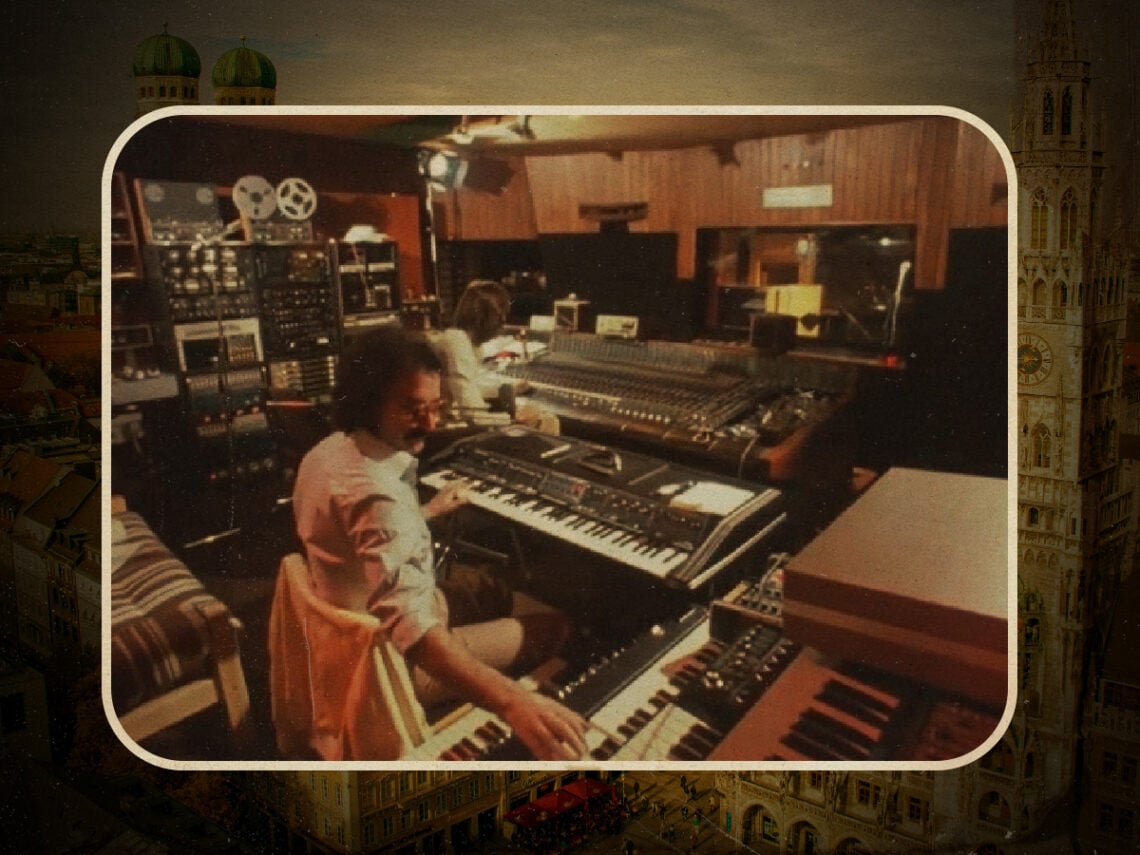
The scrappy Munich studio where “the future” of music was born in 1977

Several studios have been home to some of the most magical projects across music history: Hansa Studios in Berlin, Peter Gabriel’s Real World Studios in Bath, and Abbey Road in London, but a lesser-appreciated gem was the once-scrappy, Giorgio Moroder-owned studio in Munich, which birthed one of the best and most explosive songs of the disco movement in the late 1970s.
When you think of disco, it’s usually in connection with a few things – the Bee Gees, Donna Summer, Blondie, Chic, the Village People, and so on – and if you’re a little more clued in, you might even think about the ‘Father of Disco’ himself, Moroder, whose innovative synth work had a major impact on the disco scene and many of its offshoots, including later revelations in techno and house music.
As such, Moroder has an incredibly impressive roster attached to his name, including the likes of David Bowie, Falco, The Weekend, Bonnie Tyler – and that’s not to even mention those who recorded in his very own Musicland Studios in Munich, which has seen many legends pass through its halls, including The Rolling Stones, Electric Light Orchestra, Queen, Elton John, and more.
The studio itself was something of a work in progress in its early days, founded in a tiny basement of a high-rise building and with all kinds of impractical challenges, like the obvious one, a lack of space, as well as poor ventilation which caused it to feel hot all the time, likely also due to it being next to the building’s main central heating system. It was a rundown, makeshift thing, but Moroder kept on, likely knowing that one day it would be a coveted spot for musical legends to work their magic.
Then, in 1973, Moroder had enough money from previous projects to extend the studio and address these issues, with the first recording in the new refurbishment being Marc Bolan and T Rex’s Zinc Alloy and the Hidden Riders of Tomorrow. This sound seemed especially prophetic of the lightning in a bottle that Musicland would capture some years later, when Summer set foot in the room with the seeds of what would eventually become the biggest disco records of the entire era: ‘Love to Love You’ and ‘I Feel Love’.
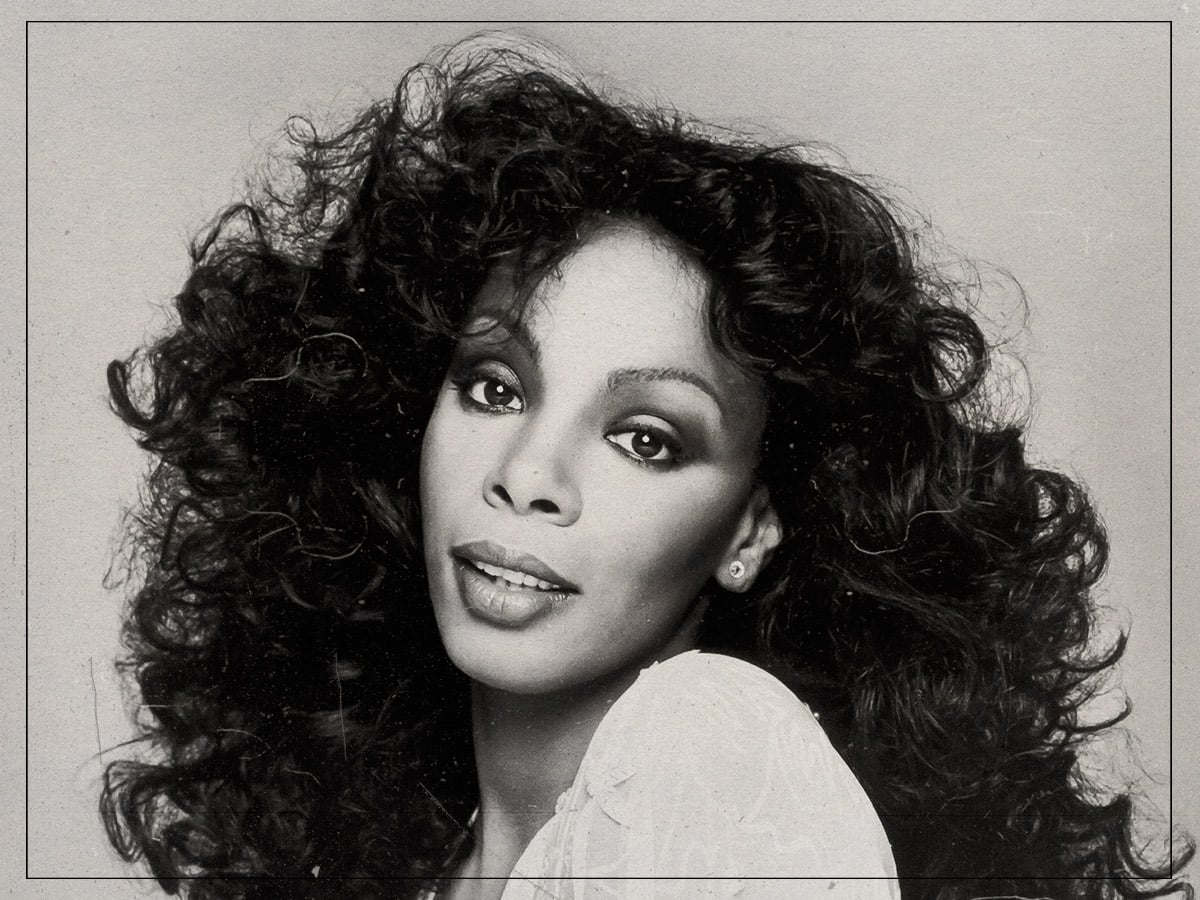
Moroder and producer Pete Bellotte had already created a series of disco hits up to that point, but what was different about Summer’s 1977 record, I Remember Yesterday, was that every song was created with the intention of emulating a specific style and era. Some of them were made to capture elements of funk, swing, and other styles and types, while ‘I Feel Love’ was meant to feel more forward-thinking and futuristic.
To pull this off, there were many contributions and innovative approaches in the studio – one of which was absolutely vital to the entire result: those by classical composer Eberhard Schoener’s assistant, Robby Wedel, who used a click track to each complex element everything together and synch it all up, giving the track its polished, cohesive sound and making it feel somewhere that doesn’t exist anywhere else.
According to Bellotte, Wedel was the missing piece they needed, someone who could simply work their magic and know exactly what needed to be done. As he later recalled, Wedel’s work with synchronisations was something they didn’t immediately understand, but when he showed them what he meant, it was “absolutely spot-on”. It was “a revelation”, Bellotte said, who also described Wedel as “the unsung hero of all of this” because he did something that not even Robert Moog knew about, much less how to do it himself.
As a result, the song was revolutionary for a number of reasons. It was the first to mix together an off-beat hi-hat with repeated synth loops with the bass and drum parts hitting the beat (four-on-the-floor), which eventually became a mass standard of later genres and movements like house and techno. It also saw Moroder taking different approaches to achieve its familiar “futuristic” sound, like composing certain parts in reverse order or in distinctive ways from what was expected with disco songs at the time.
When David Bowie first heard the song, he apparently ran to his producer, Brian Eno, exclaiming about how he’d heard the “sound of the future”. Eno agreed, along with a host of other musicians at the time, who all listened to its driving rhythm, building atmosphere, and catchy hook and instantly knew that Musicland was filled with secrets – ones that didn’t just predict the years to come, but actively created the path itself. And to think it was once just a scrappy, crammed studio in a basement with shoddy central heating.
