


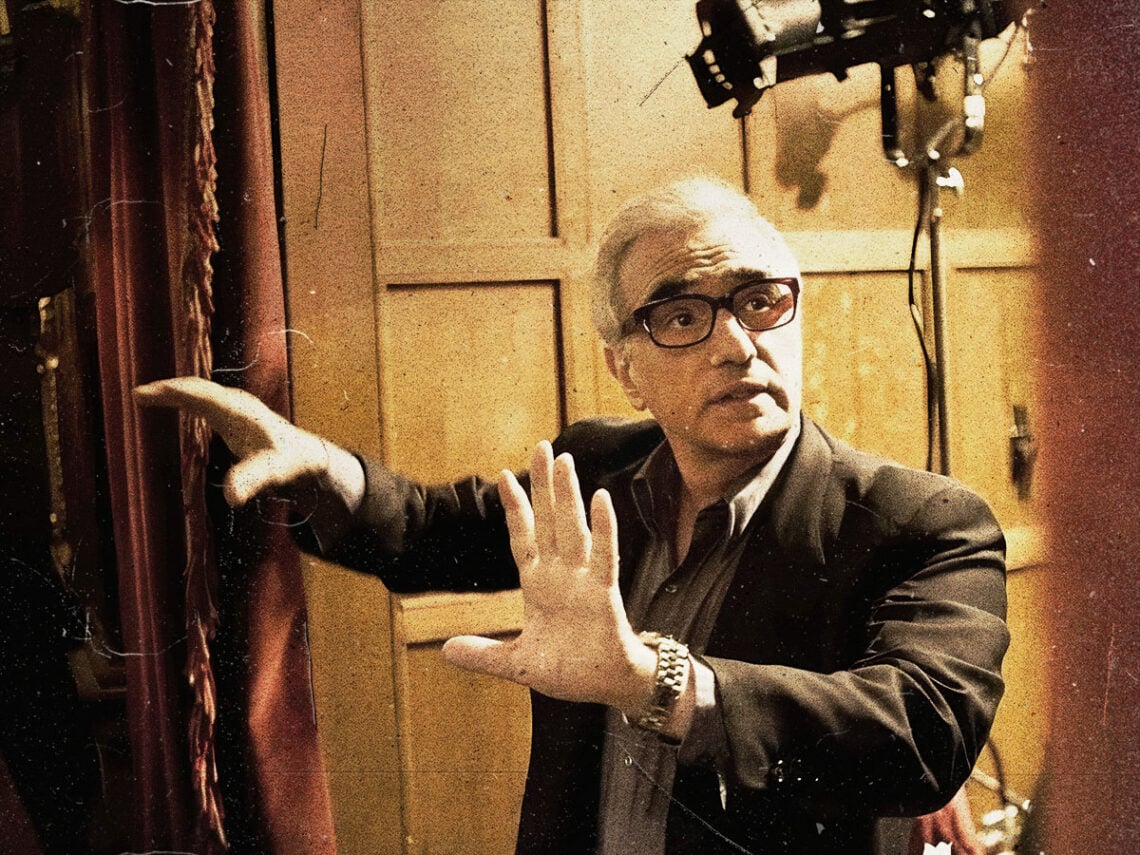
The two movies Martin Scorsese says every director must see: “Everything that can be said about filmmaking”

Some directors pass by like a transient wind, providing a simple gust of influence before petering out into the weather of another atmosphere. Others strike with potency like a bolt of lightning, while some bake in the sun, getting leathery in the heat. Martin Scorsese, however, has been an unstoppable typhoon since he first began the new wave of Hollywood filmmaking in the 1970s. Few directors have been as influential as he has, and even fewer have been so inspirational for so long.
Perhaps the most enjoyable part of that is the fact that Scorsese is a completely devoted lover of movies. His directorial career is far removed from being a simple vocation; it is his every heartbeat. Making movies swells within him to produce stormy and superb motion pictures. It’s a passion he has often tried to share with those who have followed him.
Scorsese has advocated for the importance of visual literacy for years now, curating extensive lists of cinematic masterpieces for younger generations of audiences who want to enter the magical world of cinema. Scorsese has urged audiences to explore foreign films as well, ranging from neorealist masterpieces to the works of Japanese pioneers like Akira Kurosawa.
It is no secret that filmmakers should have a good understanding of cinematic traditions and the history of the art form. According to Scorsese, falling in love with cinema becomes much easier when one is introduced to the visual mastery of John Ford or even the politically charged images constructed by Jean-Luc Godard.
However, there are two specific cinematic masterpieces that have a very special place in Scorsese’s heart. In fact, the auteur once claimed that every director should watch these two films because they explain the process of filmmaking better than any other cinematic creation in existence, and they do that in the most effective way possible.
The first one is Michael Powell’s 1960 cult classic Peeping Tom, a misunderstood masterpiece that was rejected by critics at the time of its release for its disturbing subject matter even though it came out the same year as Alfred Hitchcock’s Psycho. Since then, audiences have found that Peeping Tom surpasses the artistic achievements of Psycho in more ways than one.
“I have always felt that Peeping Tom and 8½ say everything that can be said about film-making, about the process of dealing with film, the objectivity and subjectivity of it and the confusion between the two,” Scorsese declared. He placed Peeping Tom alongside Federico Fellini’s 8½ – an oneiric masterpiece about the carnivalesque element of filmmaking.
“8½ captures the glamour and enjoyment of film-making, while Peeping Tom shows the aggression of it, how the camera violates,” Scorsese added. “From studying them, you can discover everything about people who make films, or at least people who express themselves through films.” Scorsese even funded the distribution of Peeping Tom in 1978, which facilitated a proper introduction to a larger audience and paved the way for critical re-evaluations.
It’s not as easy as watching a movie and suddenly having the skill and talent of Scorsese. But one thing is for sure, without a dedication to watching such movies, Martin Scorsese wouldn’t be nearly as great a director as he is today.
