


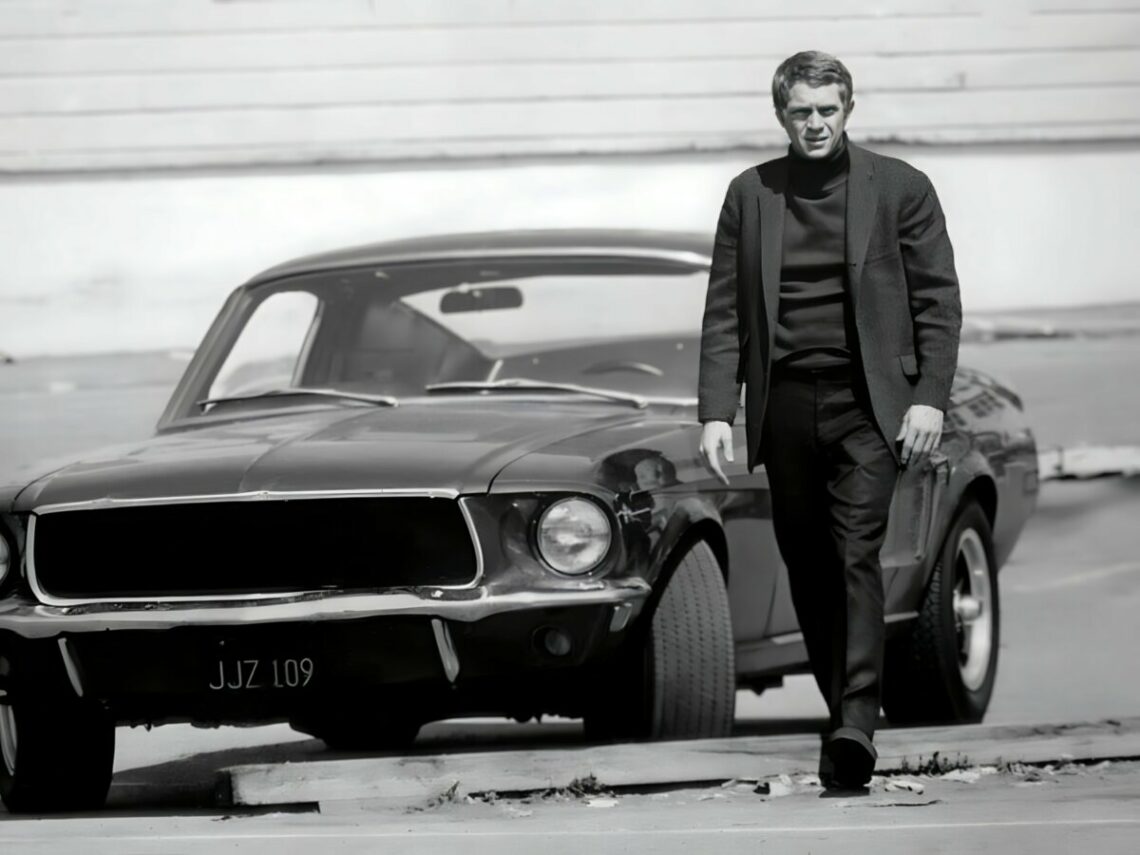
The movie that needed to be saved from Steve McQueen’s ego: “It was a classic standoff”

When Steve McQueen’s name was above the title of a movie, directors and producers knew it would guarantee butts in cinema seats. The ‘King of Cool’ was a cultural icon in the 1960s and ’70s, and in 1974, he officially became the highest-paid movie star in Hollywood. However, McQueen was also a roiling mass of insecurities and unpredictability, which meant that anyone working with him was in for a tough time. In fact, he tried to derail one of his most iconic movies on several occasions – seemingly on purpose – but came up against a director who knew exactly how to save the picture from his ego.
In the ’60s, McQueen’s star rose with roles in undisputed classics like The Magnificent Seven, The Great Escape, Bullitt, and The Sand Pebbles, which landed him his first ‘Best Actor’ nomination at the Oscars. His first movie after that Oscar nomination was The Thomas Crown Affair, another future classic that reunited him with his Cincinnati Kid director, Norman Jewison. These days, the debonair, charismatic Thomas Crown is one of McQueen’s signature parts – but Jewison initially believed he was wrong for the character.
“I couldn’t see him in this part,” Jewison told Sight and Sound. “For a start, I’d never seen McQueen in a suit, and Thomas Crown is a graduate of Dartmouth. But he wanted to play the part badly and convinced me he should have it.” McQueen proved himself to Jewison by learning how to play polo, even though he was uncomfortable around horses, and “worked until his hands bled perfecting a backhand shot, which was the only shot he could do.”
Unfortunately for Jewison, though, this fierce dedication to winning the role didn’t always translate to McQueen’s conduct while making the film. As the director told The Independent in 2008, “He could make you miserable. He was affected by the moon and would just take off for days. He was very strange.”
In truth, McQueen reportedly needled Jewison throughout the film’s production, and no one can quite say why. However, according to Jewison’s biographer, Ira Wells, one factor might have been that McQueen smoked weed throughout production and became paranoid, believing strange things were happening where he was staying. He would also call Jewison in the middle of the night, especially if there were a complicated scene to shoot the next day that he sensed the director was trepidatious about.
McQueen’s bad behaviour peaked one night when Jewison and his cinematographer planned for a beautiful shot on the beach during the golden hour before sunset. Co-star Faye Dunaway revealed in her memoir Looking for Gatsby that, when the time came to shoot the scene, McQueen drove away in his beach buggy. He didn’t return until after dark, which ensured Jewison wouldn’t get the shot he prepped so hard for.
Dunaway revealed that when McQueen arrived back, she could tell he was waiting to see what Jewison would do about his disappearing act. It was almost like he was challenging the director to try to reign him in. “It was a classic standoff, the kind that happens so often between leading actors and directors,” Dunaway wrote. “In these moments, a director can lose control of an entire movie if he’s not careful. At the same time, he can irrevocably damage his relationship with an actor.”
To everyone’s surprise, though, Jewison didn’t chew McQueen out or lose his temper. Instead, he pulled his own disappearing act, walking off into the night before returning with a fanciful story about how he’d found a special feather that allowed its owner to direct movies. He symbolically handed the feather over to McQueen, seemingly as an olive branch. The star immediately laughed heartily and gave the feather back to its rightful owner, allowing the shoot to continue as normal.
“It was exactly the way to handle Steve,” Dunaway noted. “He would have fought to the death if Norman had decided to assert his authority as director rather than trying to make peace.”
