


“In 20/20 hindsight”: the movie Steven Spielberg would “do all over again” if he had the chance

Ask any filmmaker about their early work, even the ultra-successful ones, and they’ll likely have mixed feelings. Steven Spielberg, for example, is no different, despite being arguably the greatest director of all time.
Spielberg’s status as one of the most prodigious directors in history is well known at this point. While most helmers get their big breaks in their 30s or 40s, Spielberg’s professional debut came at the age of just 22, when he directed an episode of Rod Serling’s Night Gallery starring the iconic Joan Crawford.
Over the next couple of years, the fiercely talented young filmmaker honed his craft on episodes of shows like Marcus Welby, MD, The Psychiatrist, and, most notably, Columbo. These perfectly formed pieces of network TV impressed enough people in Hollywood that Spielberg was granted his first shot at a feature-length production: the TV movie Duel.
Developed out of a story by Richard Matheson, Duel is the kind of thriller that begins at 100 and only goes up, following the horrors of being involved in a road rage incident that is governed by pure chaos Suddenly, Spielberg was a name on the rise, and producers Richard Zanuck and David Brown soon snapped him up to make his theatrical feature film debut.
In many ways, Duel proved to be the perfect training ground for 1974’s The Sugarland Express, which also dealt with dusty highways, car chases, and suspense, but threw in some comedic aspects for good measure. The movie starred William Atherton (forever immortalised in the ‘80s for playing insufferable pencil pushers in Ghostbusters and Die Hard) as an inmate convinced to escape from prison by his wife, played by a sparkling Goldie Hawn in one of her earliest roles. They embark on a race across Texas to get to their son before he is lost to them forever by being placed in foster care.
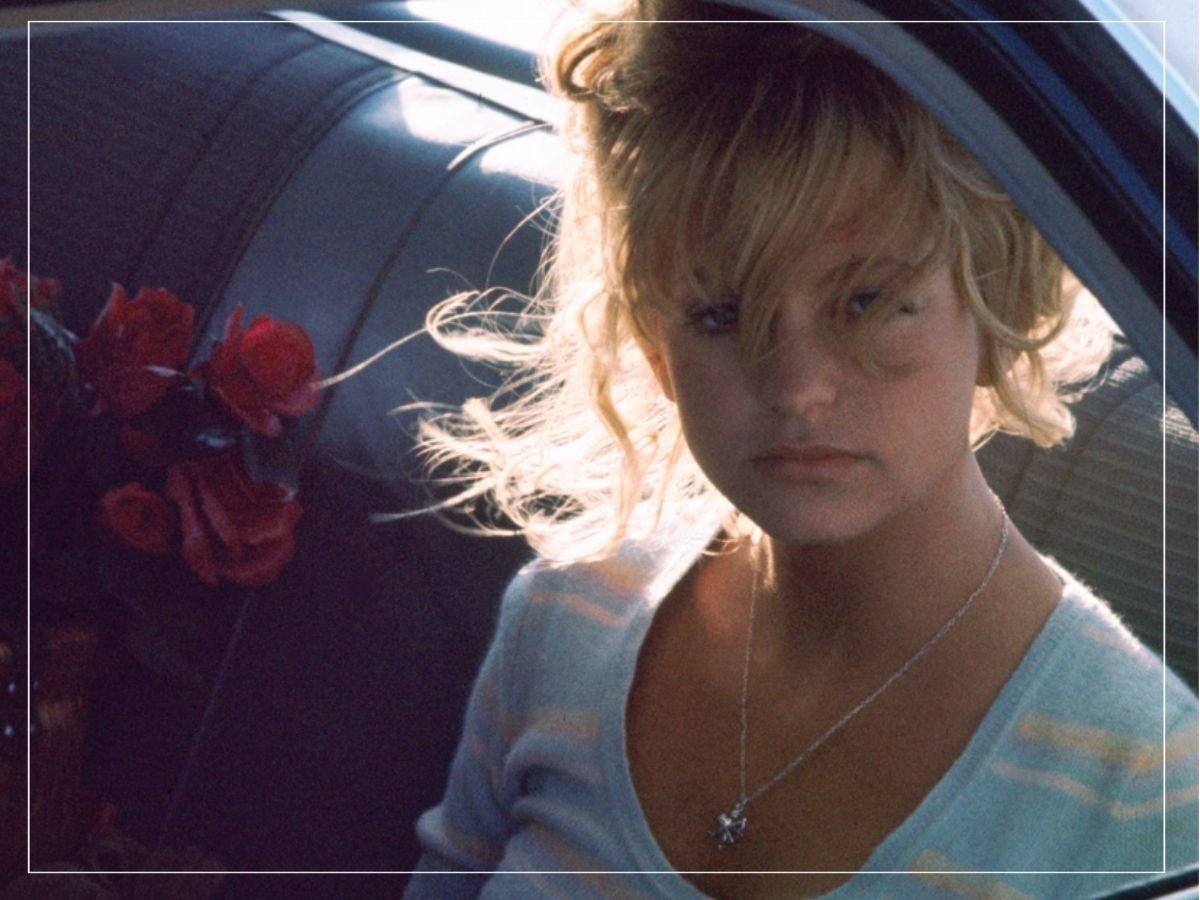
Unsurprisingly, The Sugarland Express was received well by critics, who were especially glowing about Hawn’s delightful, captivating turn. Legendary critic Pauline Kael was one of the first to pinpoint something special about the 26-year-old Spielberg’s direction, too, as she was astonished by the “technical assurance” of his work. To her, he made “one of the most phenomenal debut films in the history of movies.”
Equally iconic critic Roger Ebert didn’t quite agree with Kael, though, and in the long run, it was revealed that Spielberg himself may have seen more truth in the Chicago Tribune writer’s take. Ebert criticised Spielberg for focusing too much on the pyrotechnics and stunts, instead of letting the audience get to know Hawn and Atherton’s characters more, as well as Ben Johnson’s Captain Tanner, the cop assigned to bring them to justice.
In later years, with the benefit of “20/20 hindsight”, Spielberg realised that he should have framed the first half of the movie entirely from Tanner’s perspective “behind the police barricades, from inside his patrol cruiser.” By getting to know him and his outlook on the situation more, his decision to eventually stop Hawn and Atherton by using deadly force would resonate much more clearly with audiences. Spielberg even admitted that, as it plays out in the film, his decision is “much too weak and unmotivated.”
For the second half of this hypothetical remake, Spielberg would have told Hawn and Atherton’s story inside their car, where they have a police officer hostage. In this version, he would show the audience “how really naive and backwoodsy these people are and how frivolous and stupid their goals were.” With these changes, The Sugarland Express’ final ten minutes could play out just as they did in the film. However, the bloody, melancholy conclusion would now land much more profoundly.
As Spielberg observed, many artists want to revisit their works to iron out the “flaws” like he does. But to do so is a crime against time. “That’s the one film that I can honestly say, if I had to do all over again,” Spielberg confessed, “I’d make Sugarland Express in a completely different fashion.”
