


The movie Spike Lee called “the film that changed the game”

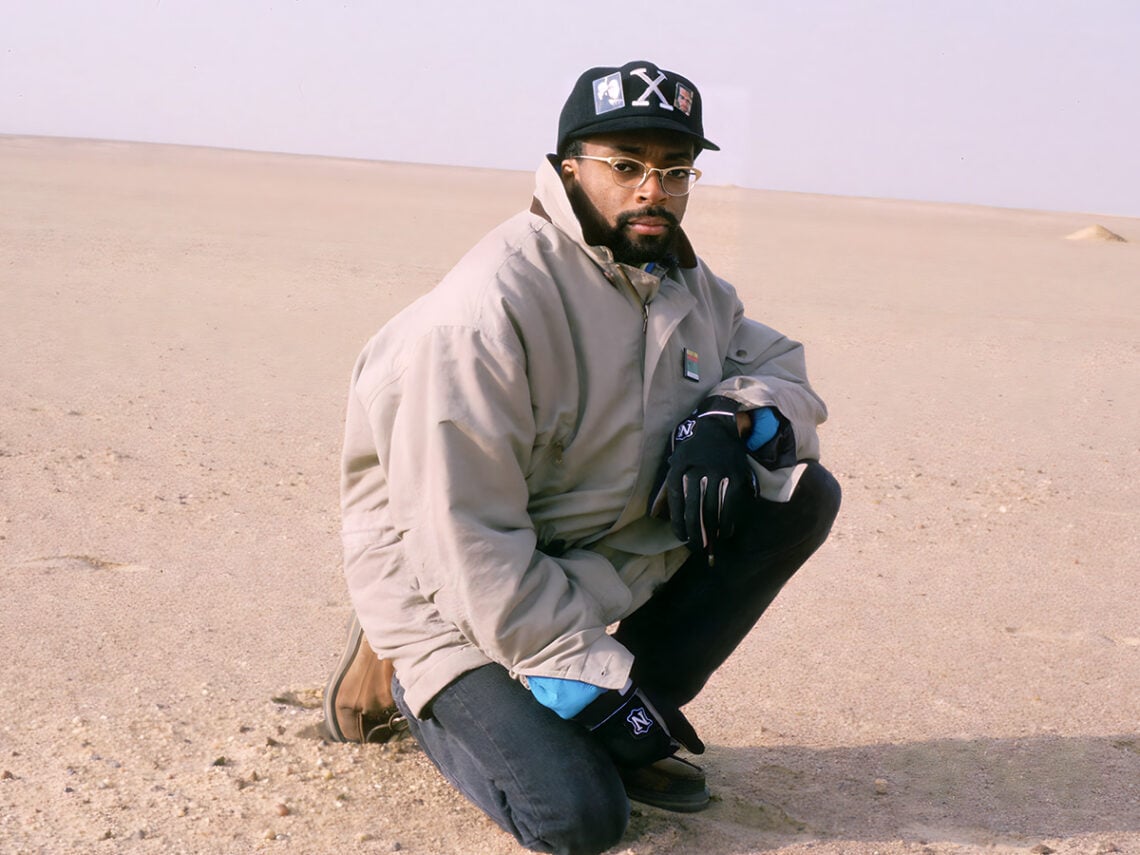
Few figures from the world of cinema have done as much for the African-American community as Spike Lee.
Ever since the release of his first film, She’s Gotta Have It, in 1986, his works have repeatedly shone a light on Black diasporas, highlighting not just the social issues that dominate so much of the mainstream conversation, but the bright, beautiful people who can be found within. Speak to any African-American involved in film today, and chances are they’ll have nothing but nice things to say about him.
The world is a very different place from when Lee first started making films, who faced significant backlash for requesting that outlets send Black journalists to cover Malcolm X, which was then falsely reported that he had banned Caucasian writers from reviewing it.
He has repeatedly claimed that Malcolm X would not get made today due to the current political climate, but while there is still a lot more work to be done, cinema is undoubtedly much more open to Black creatives than it was 40 years ago.
In an interview with Screen Rant, Lee explained that, with each new success story from a Black director, Hollywood “move[s] the goal line further”, and in his opinion, one relatively recent movie did this more than any other.
“For me, the film that changed the game is Black Panther,” he claimed, “Historically, they said, ‘Well, we can’t give you that much for the budget because historically Black films don’t make any money overseas’. Then, when Denzel [Washington], Will [Smith], and Sam [Jackson] started selling overseas, then, they move[d] the goal line further and said, ‘Well, there are stars are in it. If you don’t have any stars in the film, you’re not going to make any foreign’. Black Panther… there were no stars in that film. Prior to the film.”
Directed by Ryan Coogler, 2018’s Black Panther saw the late, great Chadwick Boseman starring as the titular hero and King of Wakanda, who was slated to face off against a ruthless usurper, played by Michael B Jordan, to maintain balance in his homeland, grossing $1.35billion worldwide, and obliterating the record for a movie with a Black director, a majority Black cast, Afrofuturist visuals, and integration of slavery and civil rights in the storyline, and stood as one of the most culturally relevant blockbusters ever produced. It also marked a significant milestone for the Marvel Cinematic Universe, superhero movies, and all of cinema.


On paper, Lee’s claim that Black Panther had “no stars” sounds false, as Boseman had already debuted the character in Captain America: Civil War, so his name was already out there. There were also supporting performances from Angela Bassett and Forest Whitaker, as well as Martin Freeman and Andy Serkis, if you want to include the film’s white cast members. That’s not what Lee is saying, though, for the main cast members, the young Black men and women who take up the majority of the screentime, were not household names before the film was made, and the fact that most of them now are only proves his point.
Black Panther will go down in movie history as one of the most important films ever made. It might have moved the goalposts in Spike Lee’s eyes, but its influence cannot be overstated.
