


“This doesn’t belong”: the movie Scarlett Johansson didn’t think Disney had the guts to make

Disney has always been a company associated with accessible entertainment, suitable, above all, for children. For most of us, our early days of cinematic education can be traced back to a classic Disney film, when we were enamoured by the magic of something like Cinderella or permanently scarred by the tragedy of Bambi.
Since those humble hand-drawn Mickey Mouse days, Disney has changed a lot. Once known for producing gorgeous animated stories of princesses and woodland creatures, the company has since expanded into one of the biggest conglomerates in the entertainment industry, acquiring many other film companies under its umbrella or establishing various subsidiaries aimed at wider audiences.
As a result, many unexpected movies fall under the Disney banner, like Pretty Woman, Coyote Ugly, and Sister Act, which were both distributed by Disney’s Touchstone Pictures, formed in 1984. Even Wes Anderson’s The Royal Tenenbaums is technically a Disney movie.
Clearly, Disney are still in favour of movies with some pretty heavy themes, whether that be suicide, sex, or murder, although, of course, their age ratings reflect this. No one actually goes into Pretty Woman thinking it’s a family-friendly Disney flick.
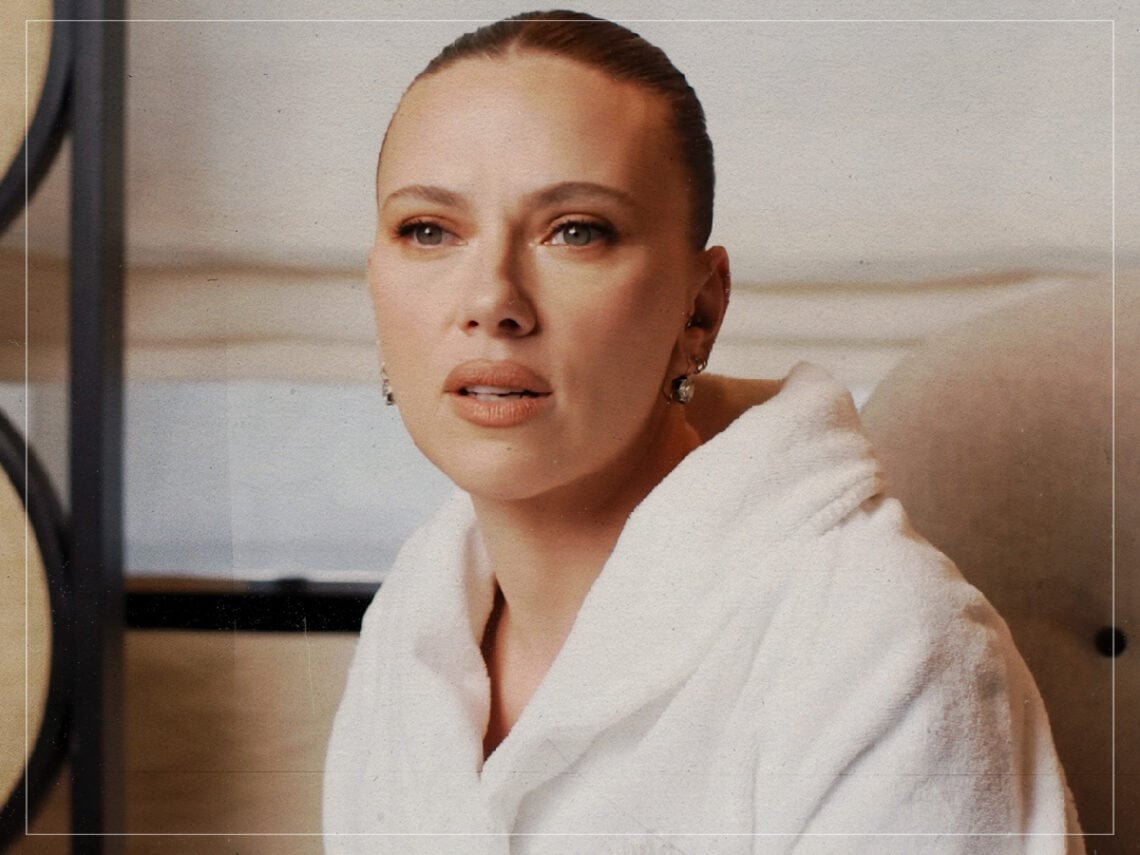
Even so, it can still be a surprise when Disney gets their hands on a very adult-themed film, and Scarlett Johansson was initially worried when she learned that a pretty dark comedy she’d been cast in would be released by Disney – in 2019, she starred in Taika Waititi’s Jojo Rabbit, playing the mother of a German boy in the Hitler Youth, and while her son talks to his imaginary friend, Adolf Hitler, unaware of just how severe the political climate really is, she is secretly hiding a Jewish teenage girl in the house.
Of course, a comedy set during the terrifying years of Hitler’s reign is never going to be the kind of film you’d associate with Disney, but the company had high hopes for it when, that same year, they acquired the indie company Searchlight Pictures, which was initially backing it.
Talking to The Hollywood Reporter, Johansson said, “The Disney execs were saying, ‘We’re excited about Jojo.’ They had just acquired it. I said, ‘How is that going to be?’ Because Searchlight’s made quite a lot of subversive films. It’s harder and harder to try to find a home for something that’s more off-colour or subversive and push the limit. I thought, ‘There’s no way Disney would bring [Jojo Rabbit] out. This doesn’t belong to that [Disney] family.’”

The actor was concerned that the film being released with Disney attached to it would hinder its chances, but she was soon reassured. Johansson was told, “Whether it’s Pixar or Marvel, the most important thing is when Disney acquires a company that’s working, they let the studio continue to have their own style. The creative freedom of that studio stays, the DNA of the studio stays intact.”
Concluding, “Ultimately, when Jojo Rabbit went over, it didn’t make any difference, which was cool. Because I was worried that maybe it would.”
The film wound up with six Academy Award nominations, including ‘Best Supporting Actress’ for Johansson. She didn’t need to worry about the film flopping under Disney’s watchful eye – they care far too much about profit and glory to let a movie fail.
