

Far Out Meets: Mike Leigh, accessing a noble human truth
Read More


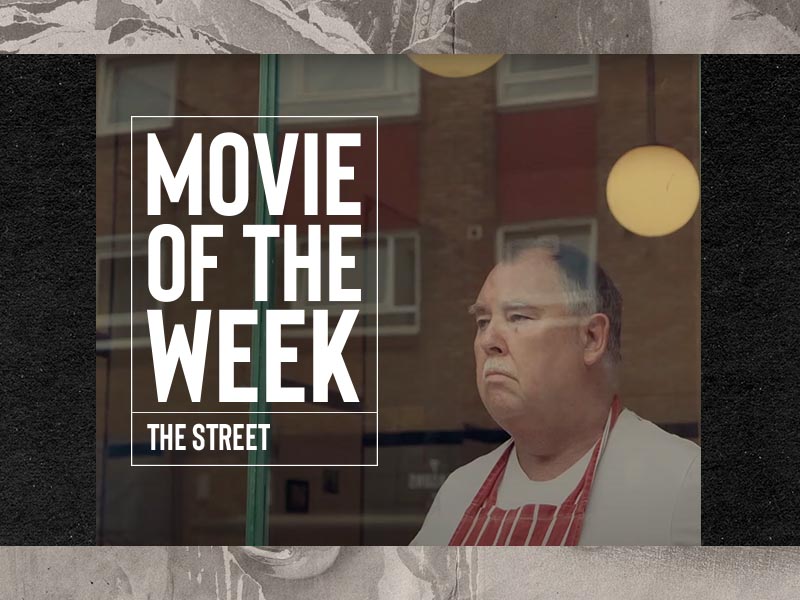
Back in 2019, Britain was still in the process of washing its hands of the European Union, albeit poorly, with the concept of a Coronavirus pandemic still the stuff of fiction in the eyes of the population and politicians. Though, it’s easy to forget that whilst a lot can change in three years, Britain has long been going through an identity crisis, shaking off the myth of being a global power as it entered the troubles of the 21st century, revealing a gaping wealth gap that has recently been exacerbated by the cost of living crisis.
This tricky portrait of modern Britain is terrifically illustrated by Zed Nelson in his 2019 documentary, The Street, a poignant funeral of a time and a place transformed by the ebb and flow of time.
Focusing on the microcosm of Hoxton, a small community in the London Borough of Hackney, directly north of the city’s financial district, Nelson forms a fascinating, impartial study of an area that time forgot. Tracking its gradual gentrification over a four-year period, the fabric of Hoxton changes as family-run bakeries and generation-old garages shut their doors to make way for dinky boutique shops, craft beer houses and endless legions of coffee outlets.
At first, it’s the characters who occupy such traditional shops that we spend time with, as store workers and long-time homeowners speak of ‘how life used to be’, bemoaning the loss of community and the passing of an ethereal camaraderie. Creating vignettes of several characters, each of whom you feel as though could inhabit the frame of a Mike Leigh movie, Nelson explores every rung of Hoxton’s vibrant history. Much in the vein of the celebrated filmmaker, these conversations vary from the poignant mourning of a time long gone to joyous conversations with elderly residents musing over lost loves.
Equally, with rent in the area rocketing due to its convenient placement to London’s financial skyscrapers, such residents are also being coaxed out, replaced by a new generation of young people eager to make their mark in a changing world. Transforming the landscape of central Hoxton street, such ‘yuppies’ bring gentrification in abundance, as the area physically and spiritually evolves into something far different from its humble beginnings.
Whilst it would be far too easy to make the film a generational study about how millennial youths are destroying quaint British life, Nelson does well to provide an impartial view of Hoxton, presenting the change as a sheer matter of fact; a sign of the times rather than an outrageous moral decision. After all, the racist views of the old ‘Vote Leave’ generation mar their sadness of a community long lost, appearing as much a problem as the bullish attitudes of the estate agents and insurance companies who have barged their way into the area.
So too does the gentrification of Hoxton street bring a glimmer of positivity, with the tragedy of the Grenfell Tower fire forcing criticised yuppies to hold vigils in remembrance gardens, reading genuinely moving poems that well memorialised the dead. If Nelson’s captivating documentary tells the viewer anything it’s that making a home in one place for a lifetime is an old-fashioned concept, with the frenetic pace of London city and the tides of change being a modern inevitability that has forced a brand new way of living.
With local shops closing their doors and soup kitchens opening on the doorways of opulent art galleries, The Street does an excellent job of translating these changing tides, with the gap between rich and poor increasing day by day. Forcing drastic living cuts to be made, due to energy bills hitting around £2,800 a year by October 2022, the fabric of British society is growing ever more isolated.
As Zed Nelson’s amble through time and place comes to a close, he makes one last visit to a local priest whose church is making way for new developments. Partaking in his last movements in the bygone space, he utters strange words for a man of God, “my motivation as a priest is actually not based on love, it is based on anger”. Though, of course, as a member of the changing British milieu, he is yet another protester against the baffling decisions of the modern government, concluding, “When I see someone who has to sleep on the stones outside I’m angry, not at them, but I’m angry that such a thing could happen to them”.
The Street is available to stream with Amazon Prime and can also be accessed with a subscription to BFI Player.
