


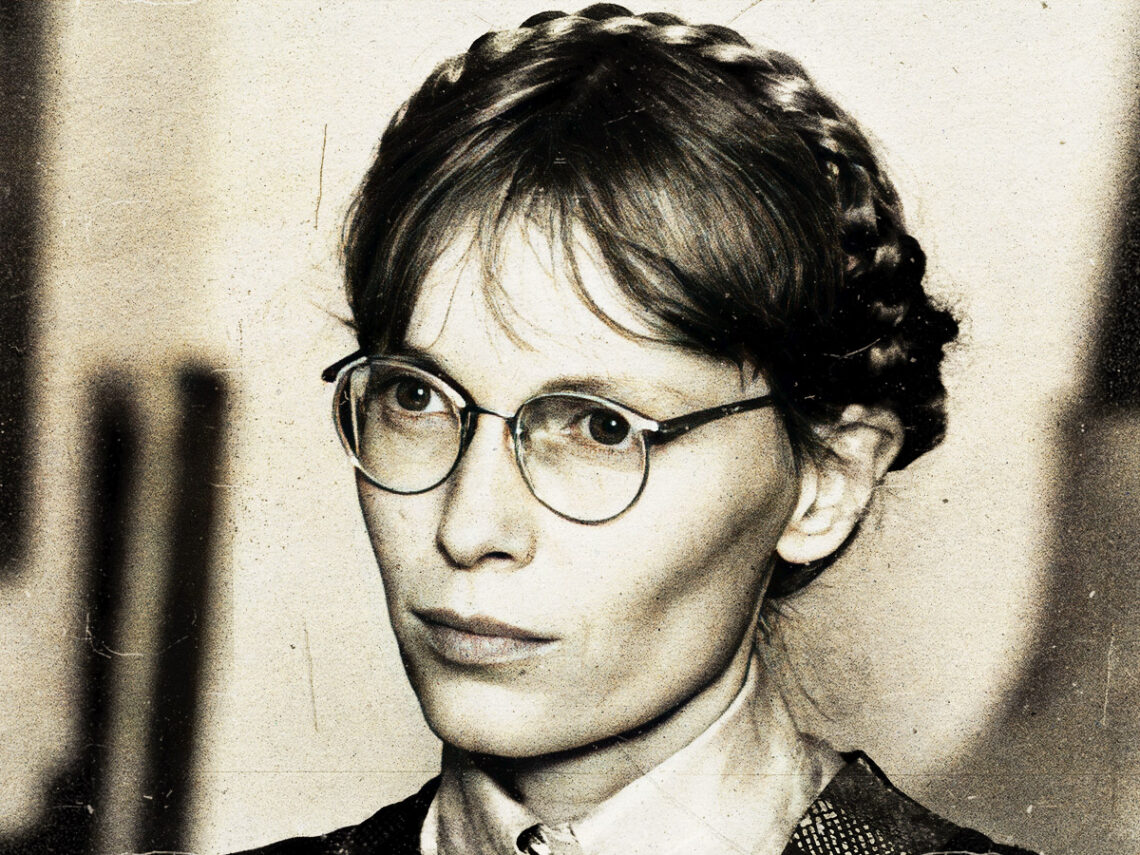
The movie Mia Farrow called her “biggest mistake”

With her distinct looks and a filmography boasting performances that could make the heart flutter or freeze in fear, Mia Farrow remains one of Hollywood’s most iconic actors. But by the late 1960s, she was the up-and-coming talk of the town, having cemented her status with a chilling performance in Rosemary’s Baby.
Her star was on the rise, and after years in the successful soap opera Peyton Place and a high-profile marriage to none other than Frank Sinatra, all eyes were on her next move. Little did Farrow know, she was poised to make what she’d later admit as the most significant blunder of her career.
Meanwhile, in Hollywood, the cinematic adaptation of Charles Portis’ novel True Grit was creating some serious waves. With producer Hal B. Wallis and legendary director Henry Hathaway at its helm, the upcoming 1969 production promised to be memorable – particularly with western icon John Wayne poised to play the gritty US Marshal Rooster Cogburn. However, Cogburn needed a counterpart in the form of 14-year-old Mattie Ross, the fiery girl who hires him to help reclaim something stolen. Known for her youthful looks, it made sense that Farrow had been asked to play.
But behind the scenes, Farrow started having doubts. Hathaway, for all his directorial brilliance, was known to be something of a dictator on his sets. A decade before True Grit, he had famously clashed with Dennis Hopper on From Hell to Texas, and this reputation wasn’t lost on Farrow. Robert Mitchum, her co-star in her previous project, hadn’t minced words either about Hathaway’s challenging nature.
Trusting Mitchum and the rapport she had built with Polanski, Farrow proposed that the Rosemary’s Baby director take the chair for True Grit. Relatively green to Hollywood, with only one American film under his belt, Polanksi wasn’t exactly the dream director pairing for this quintessential Americana tale, so Wallis was unconvinced. To make matters worse, Wayne was known for his staunchly conservative Christian values, and it was safe to say that he disapproved of the demonic, satanist undercurrents that ran through the Polish director’s movie.
The notion of Polanski coming aboard was dismissed, and it was made clear that Hathaway would remain in the director’s seat. Choosing to trust her instincts, Mia Farrow withdrew from the film. In the years that followed, however, True Grit achieved monumental success – it earned Wayne an Oscar and is still widely regarded as one of the greatest cinematic gems ever made.
The accolades and admiration the film received would naturally make one wonder about Farrow’s sentiments on her decision, and Wallis would later claim that Farrow personally told him that turning down the project was the “biggest personal and professional mistake of my life”. Considering her track record of successful movies since then, it’s safe to assume that Farrow learned a thing or two – and chose not to let rumours and co-star’s advice sway her.

Never Miss A Tale
The Far Out John Wayne Newsletter
All the latest stories about John Wayne from the independent voice of culture.
Straight to your inbox.