


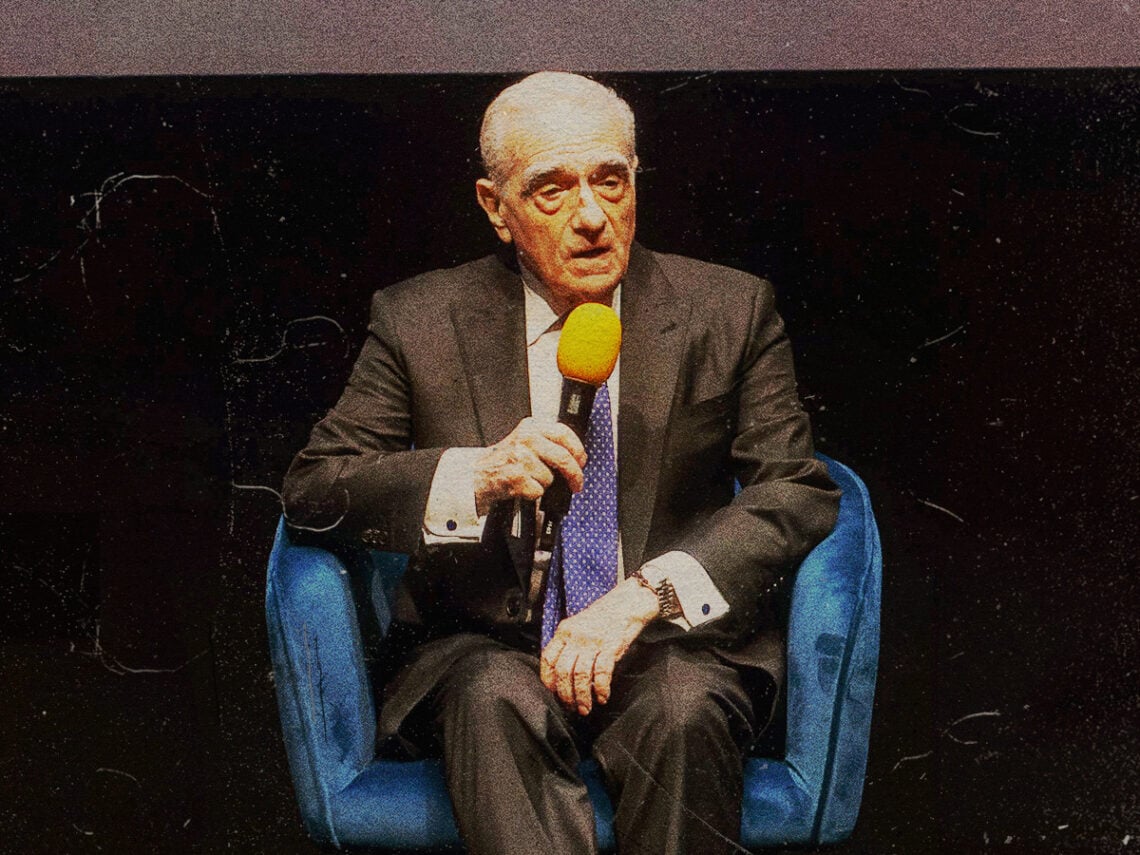
The movie Martin Scorsese called “a nightmare that won’t stop unfolding”

American director Martin Scorsese was a crucial figure in the New Hollywood movement, helping to shape popular cinema through his innovative approach to filmmaking. These new cinematic revolutionaries were preoccupied with going against the studio-led status quo, taking influence from arthouse and foreign cinema.
Scorsese has possessed a highly expansive knowledge of cinema from a young age, allowing his expertise to inform his work. Instead of playing into Hollywood’s love of happy endings, Scorsese emerged on the scene with a complex vision of the world that was oftentimes bleak and seedy. In his breakthrough movie Mean Streets, the director explored family, religion, guilt and crime, while his most iconic work, Taxi Driver, is a vivid depiction of isolation, depravity and urban decay.
Since then, Scorsese has become one of the most well-known filmmakers of all time, with other critically acclaimed projects to his name, ranging from Raging Bull to Goodfellas. To become such a skilled filmmaker, Scorsese has studied the greats that came before him, indulging in a variety of cult classics and lesser-known arthouse gems.
Talking to Criterion, Scorsese once shared ten of his favourite movies, including movies such as Federico Fellini’s 8½, Jean-Luc Godard’s Contempt, and Kenji Mizoguchi’s Ugetsu. He also selected Ashes and Diamonds by Andrzej Wajda, which was released in 1958.
The film came after two of Wajda’s other war movies, A Generation and Kanal, and is widely considered a Polish masterpiece. For Scorsese, the movie is “like a nightmare that won’t stop unfolding.”
He explained: “I saw Ashes and Diamonds for the first time in 1961. And even back then, during that period when we expected to be astonished at the movies, when things were happening all over the world, it shocked me.”
Ashes and Diamonds follows a former Home Army soldier, Maciek Chełmicki, who accidentally kills the wrong person after he is instructed to assassinate a member of the Polish Worker’s Party. Subsequently, he begins to question his actions and whether he is cut out for such acts of murder.
Scorsese cited the film’s “sense of maddening insanity and absurdity, the tragedy of political infighting on the brink of peace and coming of age during wartime; and the beauty of the lead actor, Zbigniew Cybulski” as his reasons for loving it so dearly.
He added: “The film has the power of a hallucination: I can close my eyes, and certain images will flash back to me with the force they had when I saw them for the first time over fifty years ago.” Additionally, Scorsese discussed his love for Wajda, stating, “I’ve crossed paths with Andrzej Wajda a few times over the years, and I’ve always been in awe of his energy and his unflinching vision.”
“I saw him again a couple of years ago,” he continued. “A little frailer but still as burning with energy as he’d been back in the ’90s, and he was preparing to make another film, now just completed, about Lech Walesa.” Scorsese holds him in high esteem, going as far as to call him “a model to all filmmakers”.
