


The 1968 movie that invented the buddy cop genre, according to Quentin Tarantino: “The single biggest influence”

In a damaging blow to Eddie Murphy’s pride, Quentin Tarantino vehemently disagrees with the 48 Hrs star’s claim that his feature-length debut pioneered the buddy cop caper.
Murphy is confident that he did, and you can see why: pairing a buttoned-up, gruff, and no-nonsense character with a fast-talking, charismatic partner, at least one of whom is required to be a member of law enforcement, exploded in popularity after Walter Hill teamed the Saturday Night Live breakout with Nick Nolte in 1982.
The film was the blueprint for everything that followed, and while Richard Donner’s Lethal Weapon refined the tropes, the subgenre is still going strong today, and it can all be traced back to 48 Hrs. Unless you’re Quentin Tarantino, in which case, it can be traced back almost a decade and a half earlier.
While there were several spiritual progenitors in the 1960s and 1970s, it’s not untrue that Murphy was instrumental in establishing the specific sort of high-concept action comedy that’s dominated the marketplace for the last 40 years and change as one of Hollywood’s favourite wells to mine.
And yet, for Tarantino’s money, Don Siegel and Clint Eastwood got there first in 1968 with their first feature together, Coogan’s Bluff. “There’s an interesting level of influence on Walter Hill’s 48 Hrs,” he explained. “First, there’s the ‘cop taking custody of a con’ setup, only done as a buddy movie in the Hill film.”
Again, that’s not untrue, with Eastwood’s Walt Coogan dispatched from Arizona to New York to bring Don Stroud’s killer, James Ringerman, to justice, only for hijinks to ensue. It’s definitely got the DNA of a buddy cop flick, with the two-time Academy Award winner laying down exactly why a crime thriller released in the late ’60s became one of the most important movies of the 1980s.
“The single biggest influence on 48 Hrs, and ’80s action cinema in general, was the surprising comedic tone of Coogan’s Bluff,” the two-time Academy Award winner offered. “For all intents and purposes, what we think of as comedic action cinema was born the day Coogan’s Bluff was released.”
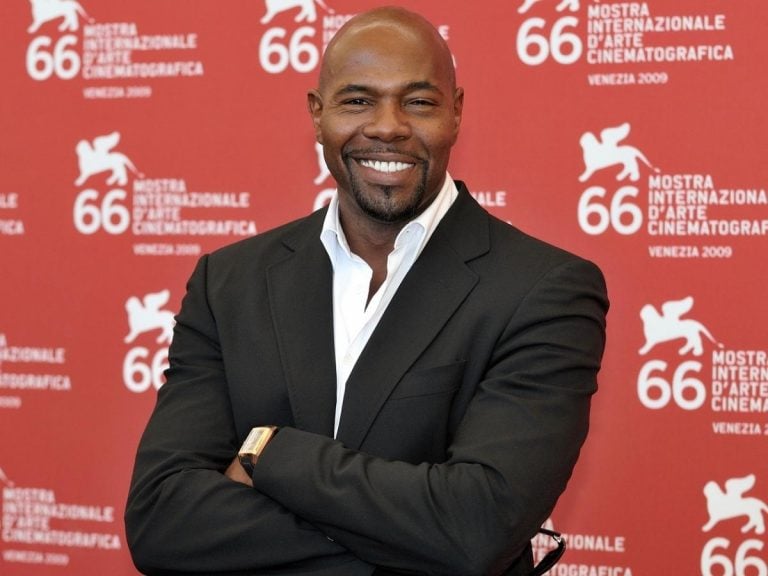


Using Murphy, the self-appointed pioneer, to illustrate his point, Tarantino likened the dynamic between Eastwood and Stroud to the way the 48 Hrs and Beverly Hills Cop frontman played off James Remar’s Albert Ganz and Steven Berkoff’s Victor Maitland in his respective blockbuster buddy cop outings, bringing every archetype back to Coogan’s Bluff.
It’s up to you whether you want to agree with him or not, although there are no prizes for guessing where Murphy would stand on the matter, even if it’s a little weird to think of a ’60s movie as a buddy cop picture, mostly because the term was a long way from being coined yet.

Never Miss A Take
The Far Out Quentin Tarantino Newsletter
All the latest Quentin Tarantino content from the independent voice of culture.
Straight to your inbox.