


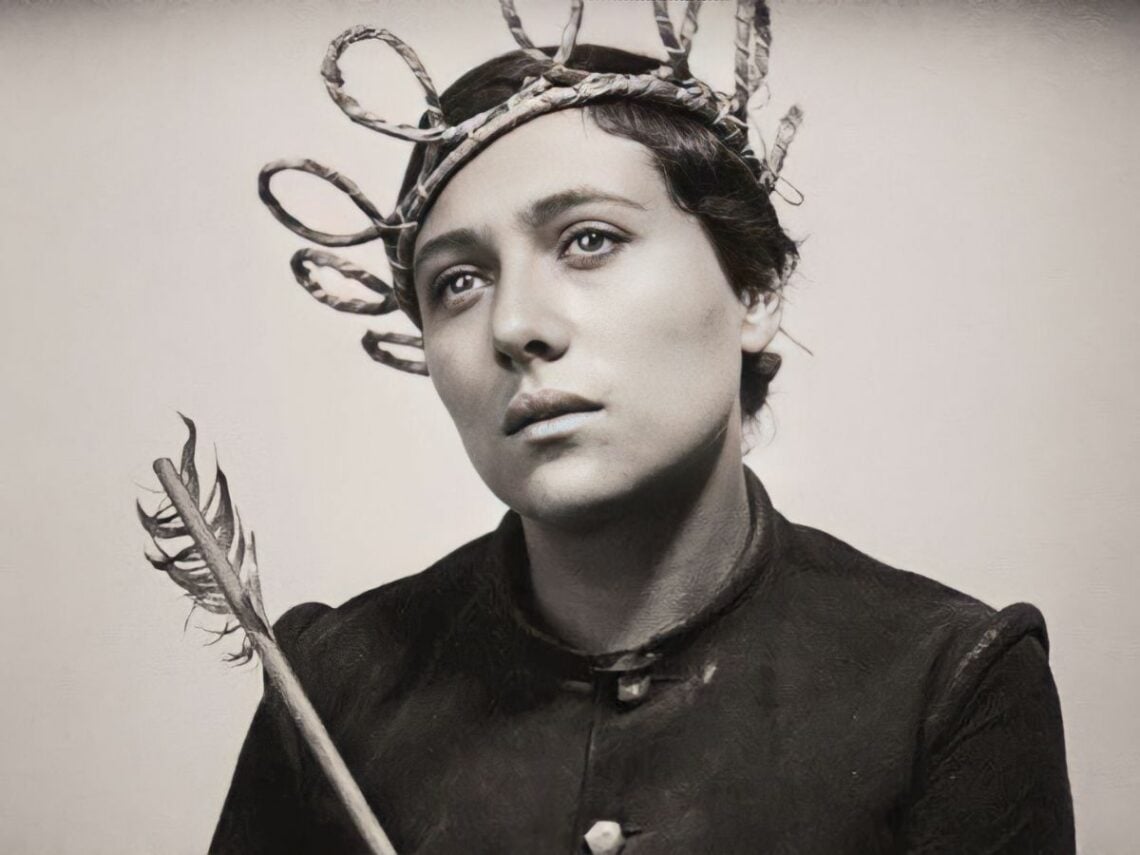
‘The Passion of Joan of Arc’: the classic movie that was discovered in the closet of a mental institution

Throughout the history of cinema, many films have been revived after being considered “lost media” and then rediscovered in the unlikeliest of circumstances. From revered classics by renowned auteurs to lesser-known cult works with small followings, there are many famous gems that have garnered public interest over the years. One of the greatest examples of this incredible phenomenon is a sublime cinematic masterpiece by Carl Theodor Dreyer.
Titled The Passion of Joan of Arc, Dreyer’s 1928 project is one of the most iconic visual interpretations of the highly mythologised figure of Joan of Arc. While many acclaimed auteurs such as Robert Bresson have attempted to understand the historical conditions and sociopolitical complexities of her account, it’s Dreyer’s version that has survived as the definitive film on the subject. A huge part of that can be attributed to its miraculous rediscovery.
Starring Renée Jeanne Falconetti in the titular role, which is widely recognised as one of film history’s most impressive performances, The Passion of Joan of Arc depicts Joan of Arc’s trial and eventual execution with remarkable emotional power. Incorporating a fascinating visual language and detailed production frameworks, the movie has become the most famous addition to Dreyer’s endlessly interesting filmography.
Despite its present status as an all-time classic, the project was initially mired in controversy because French nationalists protested against the fact that a Danish filmmaker was handling the subject. On top of that, Dreyer’s original vision was mercilessly butchered by religious and government censors who feared the subversive portrait of a national icon. Since the original negatives were destroyed, several different edits of the movie emerged over the years.
While Dreyer was disappointed and hurt by the mangled versions that saw the light of day, the Danish Film Institute merged footage from various cuts to replicate the director’s bold artistic intentions. However, everything changed when the original version of the seminal masterpiece was discovered in a mental institution in Norway. It led to the faithful restoration of a truly invaluable piece of cinematic history by one of the medium’s true masters.
In 1981, someone working at the Dikemark Hospital randomly found multiple canisters of film in a janitor’s closet. They were simply labelled as The Passion of Joan of Arc, which attracted attention from the employees at the facility, and they were sent to the Norwegian Film Institute for further investigation. Thanks to this chance occurrence, students and film fans who are interested in the medium’s history can immerse themselves in Dreyer’s haunting masterpiece, just the way he intended.
Watch the trailer below.
