


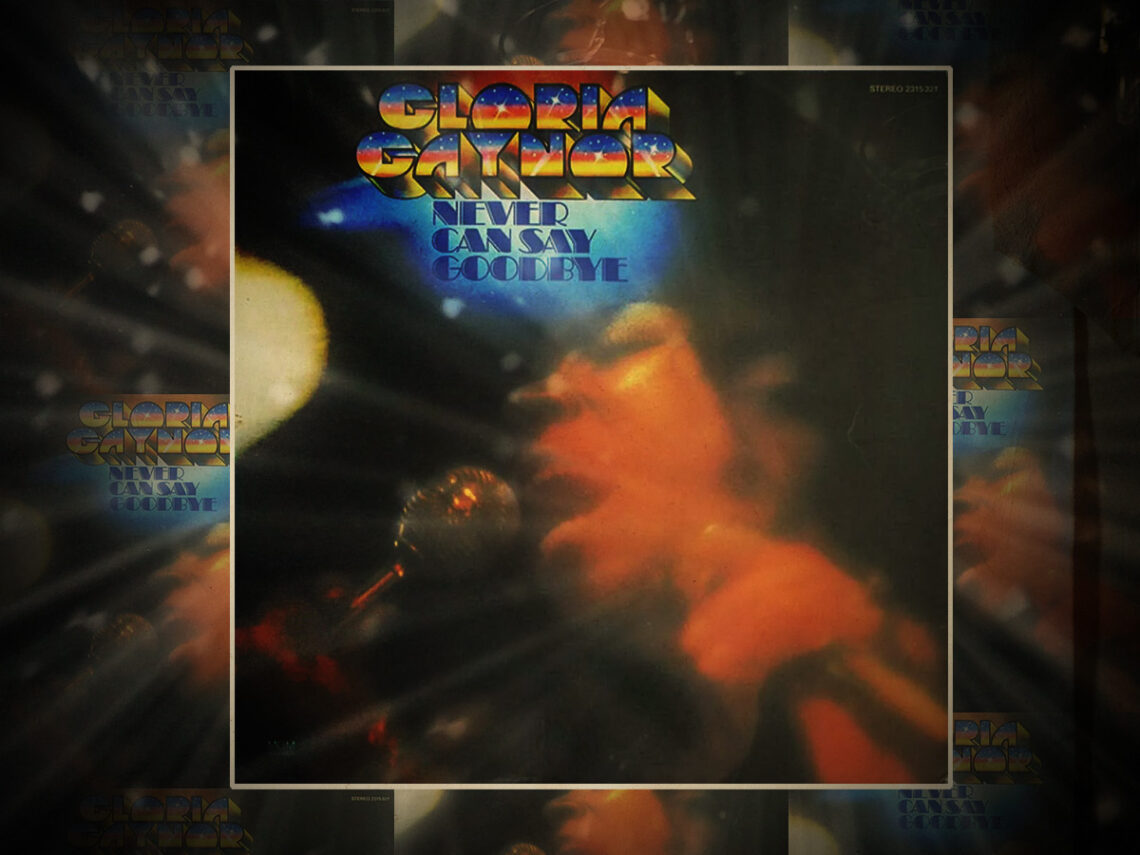
‘Never Can Say Goodbye’: the Motown medley that made Gloria Gaynor a disco queen

Disco was the sound of a defiant dance revolution back in the 1970s, bursting onto the scene through underground nightclubs, and injecting a much-needed burst of vibrant colour into the grey, concrete and bloody miserable surroundings of cities like New York.
Despite typifying the pop sounds of America throughout the 1970s, it was during the previous decade that disco made its first appearances. Those early days saw many outcast, marginalised, and overlooked individuals turn to this vibrant, exciting new sound as a means of resistance or escapism.
As it turned out, though, quite a lot of people within 1970s-era America were keen to escape the banality of their surroundings, and disco soon hit the musical mainstream, thanks in part to pioneering figures like Gloria Gaynor.
Much like disco, Gaynor got her start in the music world back in the 1960s, but her style largely revolved around jazz and R&B in those days. Although she had a few minor successes here and there with her R&B efforts, it was only when she signed to MGM Records and adopted the early sounds of disco in 1973 that she truly found her place in the industry.
Ironically, though, it was the impact of Gaynor’s R&B roots which earned the vocalist her first taste of success as a disco star. In 1975, she unveiled the stunning debut album, Never Can Say Goodbye, which was an essential record in popularising disco, but its musical content was endlessly indebted to the soul and R&B of labels like Motown.
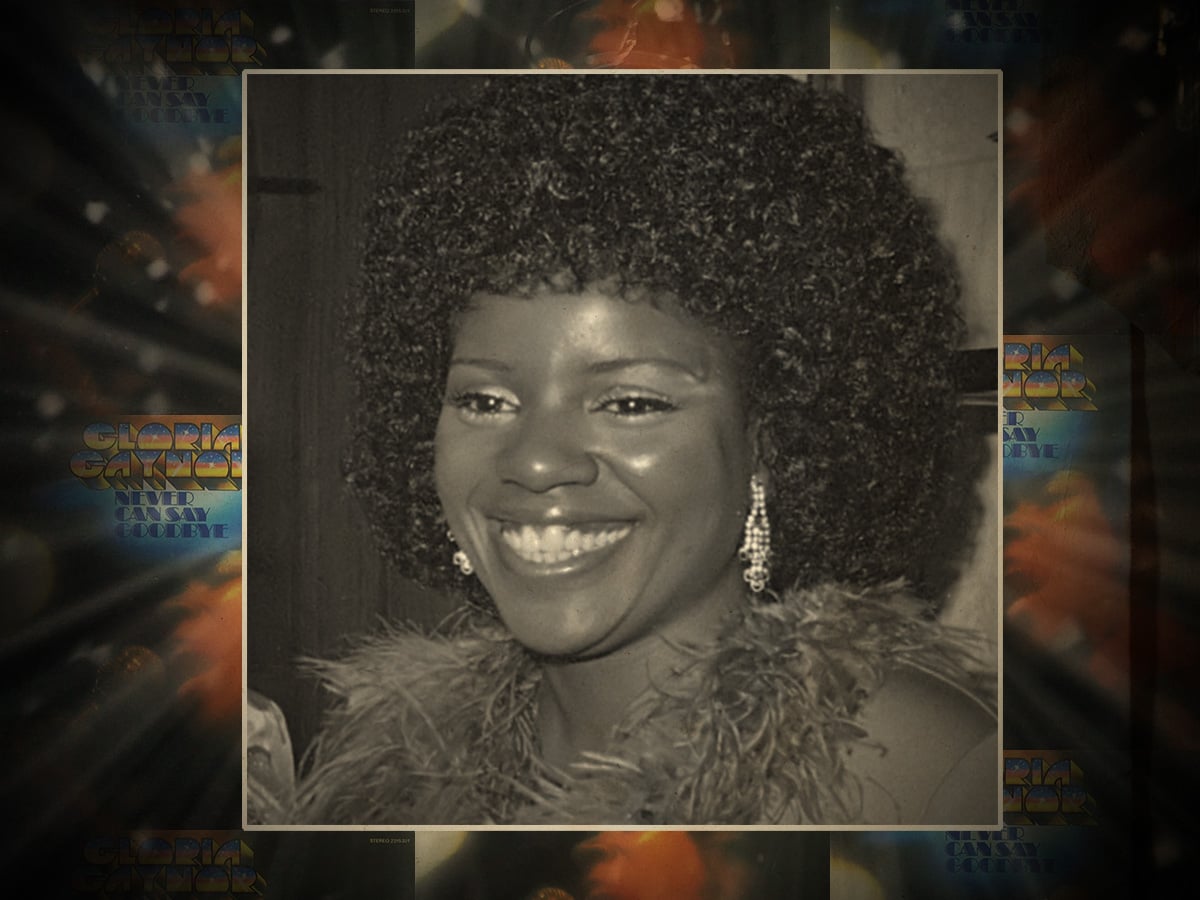
Never Can Say Goodbye had ‘hit album’ written all over it, and with the power of MGM behind it, it was bound to make a mark on the musical mainstream sooner or later. However, the LP itself was pretty unique, in the fact that there were no breaks between the songs. Namely, the three tracks on the A-side of the record blended into one another.
Essentially, this lack of breaks created one 19-minute dance mix on the A-side of the LP, with tracks ‘Honey Bee’, ‘Never Can Say Goodbye’, and ‘Reach Out, I’ll Be There’ coming together to create one of the very first disco dance mixes. Eagle-eared readers might already have spotted the fact that two out of those three tracks have their origins in the ever-present R&B empire of Motown Records.
One of the three songs included on that long, flowing A-side was the Holland-Dozier-Holland triumph, ‘Reach Out (I’ll Be There)’, which had been a hit for The Four Tops when originally released by Motown back in 1966. Similarly, the album’s title track was taken from a 1971 hit by The Jackson 5. In essence, then, that pioneering disco dance mix was a Motown medley.
It should come as no real surprise that Gaynor took a lot of cues from the Motown sound, which dominated the pop charts throughout the 1960s. After all, the endless run of hit singles produced by the Detroit label was utterly inescapable during that period, particularly when Gaynor was making her first steps into the world of performing. The disco star certainly wasn’t the first to borrow some inspiration from Berry Gordy’s label, and she wasn’t the last either.
Still, the Motown disco medley included on the A-side of her debut saw Gaynor completely transform their original R&B sound into something much more modern, infectious, and, crucially, danceable. Motown had its own attempts at breaking into the disco world around the same time, but nothing quite compared to the commanding power of that 1975 record.
Audiences across the globe were quick to respond to the newfound disco mastery of Gaynor’s record, too. Each of the three songs that made up the impromptu Motown medley were issued as singles in their own right, and all went on to be hits for the vocalist, with ‘Never Can Say Goodbye’ becoming the very first song to top the Billboard dance charts, as well as becoming a hit in the UK, Germany, and Canada, among others.
Without those incredible performances by Gaynor, or her deep-rooted appreciation of Motown, the world might never have cottoned on to the wonderfully infectious sounds of the disco revolution, so it is no surprise that the vocalist went on to become one of disco’s defining stars.
