


The Motown classic that challenged the Four Tops: “He had to stretch”

While one of the strengths of Motown’s output during their peak in the 1960s was how good the songwriting was, and how the pool of session musicians they chose to recruit for the records, the undoubted primary focus of all of their releases was placed upon the individuals who were singing the songs.
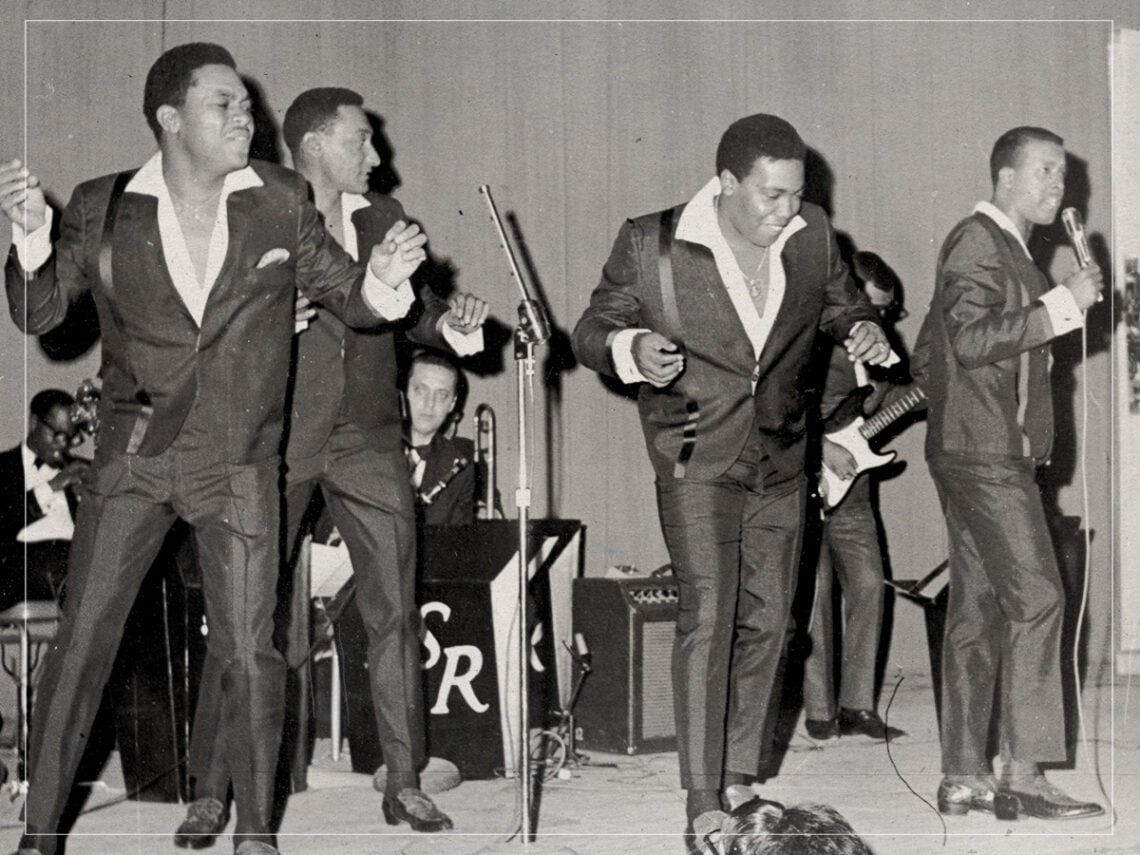
In the majority of instances, the artists were soloists known by name only, and if they were a group, they were a harmony group, possibly with one nominated leader and two or three backup vocalists. Stevie Wonder is a prime example of a Motown legend who was known in his own right, while the likes of Diana Ross and Martha Reeves were known as the leaders of their groups, The Supremes and The Vandellas, respectively. On the complete other end of the spectrum, you have The Four Tops, a vocal group who were one of the most celebrated on the label.
While Duke Fakir, Obie Benson and Lawrence Payton were all crucial with their contributions as backing vocalists in the group, it was always Levi Stubbs who was the centre of everyone’s attention. Stubbs was arguably their most valuable asset, and was integral to The Four Tops becoming one of the label’s flagship acts because of his dramatic and emotionally-charged performances on tracks like ‘I Can’t Help Myself’ and ‘Reach Out I’ll Be There’.
One of the most unique things about Stubbs’ vocals was the fact that, unlike many of his contemporaries, he sang in a baritone register, which was different from the usual tenor range that most other male Motown singers adopted. However, this slight obstacle didn’t stop him from picking out harder songs to sing, and instead, he used it as a way to make him stand out from the crowd and cement his own status as one of the finest frontmen of soul.
One songwriting team that The Four Tops repeatedly worked with was the industrious trio of Eddie Holland, Lamont Dozier and Brian Holland, better known as Holland-Dozier-Holland, and the complexity of their compositions meant that Stubbs was given the challenges he craved. However, one song of theirs, ‘Bernadette’ proved to almost take Stubbs to his limit, with Dozier claiming that the tale of unrequited love forced him to pull out all the stops
Speaking to SongFacts in 2018, Dozier explained how this song in particular indicated the levels that Stubbs was willing to push himself to. “Levi was a good, dynamic type of singer and he had to stretch singing ‘Bernadette’,” he claimed. “He had to develop his own feel because although we gave him a demo to practice from and show him the way the song should go, he had to deliver and he had to be dramatic. He took that upon himself, bringing out that dramatic feel of those songs.”
‘Bernadette’ is truly one of Stubbs’ greatest vocal performances, and his insistence that he pushed himself as far as possible meant that he produced a moment of real star quality unmatched by any of The Four Tops’ other hits. Every wail can be felt coming from the heart, and every stretch feels necessary to demonstrate that anguish felt from a love that wasn’t returned by the song’s subject.
