


What was the most problematic number one of the 1960s?

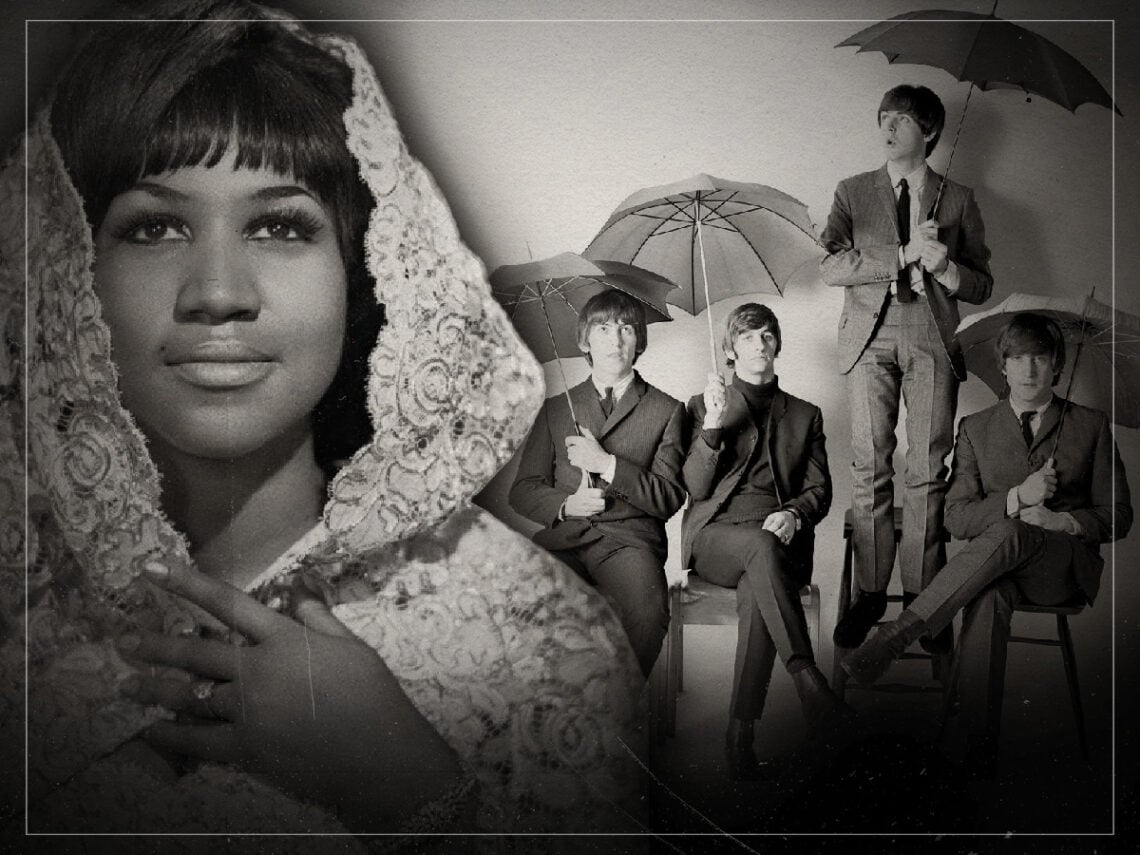
The 1960s were one of the most iconic eras in music, birthing some of our well-loved famous legends, from The Beatles to Aretha Franklin.
However, it was also one of the most controversial decades, for reasons ranging from the milder instances of boundary-pushing and risk-taking in so-called sensible settings to more societally provocative lyrics and themes. As the Civil Rights movement focused on equality for all, the counterculture community pushed for generic peace and love, approaching a different way of life that shunned the status quo.
Amid all this, music was a major tool for societal change. While bands like the Fab Four changed culture in a more holistic, unified way, sparking the beginnings of a mass hysteria reminiscent of modern-day fandom craze, others, like the Stones, fought with a more rebellious edge, pushing the boundaries of what rock bands could explore in mainstream rock ‘n’ roll.
Others, like Nina Simone, used music to drive awareness of the bigger picture and call attention to the individual and choruses of voices that had never been heard. Members of counterculture, like Joan Baez, sought to push for the same equality, using folk sensibilities as a means to protest against those seeking to keep the oppressed down.
While all this was happening, though, there were stranger occurrences across different corners of the industry, ones that, for whatever reason, managed to capture mass audience interest but which aged very, very poorly. The main one was a number-one hit that, looking back, seemed wildly inappropriate for more obvious reasons.
What was the most problematic number one of the 1960s?
After all, this was also the year when several acts put out songs that were extremely questionable in content, including Rolf Harris’ ‘Tie Me Kangaroo Down, Sport’ and ‘Two Little Boys’. But the one that takes the cake when it comes to on-the-nose, straight-up disturbing, however, is Gary Puckett & The Union Gap’s 1968 UK number-one ‘Young Girl’.
If you haven’t heard the song, don’t bother, but you can probably already guess from the title why this particular song aged incredibly badly, because the lyrics are from the perspective of a man who falls for an underage girl, only to ruminate on his own moral conscience when he finds out, and thematically, this song is a disaster, one that would be scrutinised to death if it made its way to mainstream radio airwaves today.
Especially when the lyrics are like this: “Young girl / Get out of my mind / My love for you is way out of line / Better run, girl / You’re much too young, girl.”
There are a fair number of problematic songs in music history when it comes to older rock stars going after girls who are much too young, but something about this one feels particularly direct and better left in the past, where it belongs.
